

Peru is an ideal destination for nature and adventure tourism, due to its unique geographical makeup. The territory is marked by the interaction of three main regions: the high Andes Mountains (which is home to the highest tropical mountains in the world), the vast Pacific Coast (with its deserts), and the huge Amazon Rainforest. This geographical division is the engine of an unmatched diversity of outdoor activities.
This topographical richness allows for practicing a wide range of sports. The options include hiking/trekking and rock climbing in the highlands, rafting on mountain rivers, surfing on the Pacific coast, mountain biking, sandboarding on the Ica dunes, and sport fishing. All these varieties of sports make Peru an ideal destination for ecotourism and multisport.
This guide is designed to introduce the diverse activities and sports in Peru. Below, we will identify the best places and specific regions (such as Cusco, Huaraz, the Colca Canyon, and Ica) to practice each discipline. The goal is to provide useful information so you can select and plan the adventures that best fit your interests.
HIKING/TREKKING
Peru offers two main hiking categories: high mountain trekking (Highlands) and cloud forest hiking (jungle). The routes are long and allow travelers to access Inca monuments, glacial lagoons, and remote natural landscapes.
Among the best places for hiking is the Cusco Region, which is the center for expeditions in the southern Peruvian highlands. This place holds the most famous historical and spiritual routes such as:
- Inca Trail to Machu Picchu: The classic 4-day route along the ancestral Inca path, ending at the citadel. It is the hike with the highest demand and limited permits.
- Salkantay Trek: The most popular alternative to the Inca Trail. It is a more physically demanding route, known for its 4,630-meter pass and its glacial and high mountain landscapes.
- Ausangate Trek: A multi-day circuit of mysticism and high mountain around the snowy Ausangate mountain, the most sacred mountain in the Cusco region.
- Other Routes: Historical routes are included to Choquequirao (the "Sister of Machu Picchu") and the Vilcabamba route (the last Inca refuge).
Another place where this sport is done is in the Huaraz region, the center of mountaineering in the country. The routes reach extreme altitudes (such as Huascaran is the highest peak in Peru, 6,768 m) and are ideal for experienced hikers. The main routes include the Santa Cruz Trek and the Huayhuash circuit, which offer views of glacial lakes.
On the other hand, the Colca and Cotahuasi canyons (Arequipa) offer a different hiking experience, focused on descending and climbing deep canyons. In the northeast of the country, the Chachapoyas region allows for hikes to pre-Inca monuments like the Kuelap Fortress.
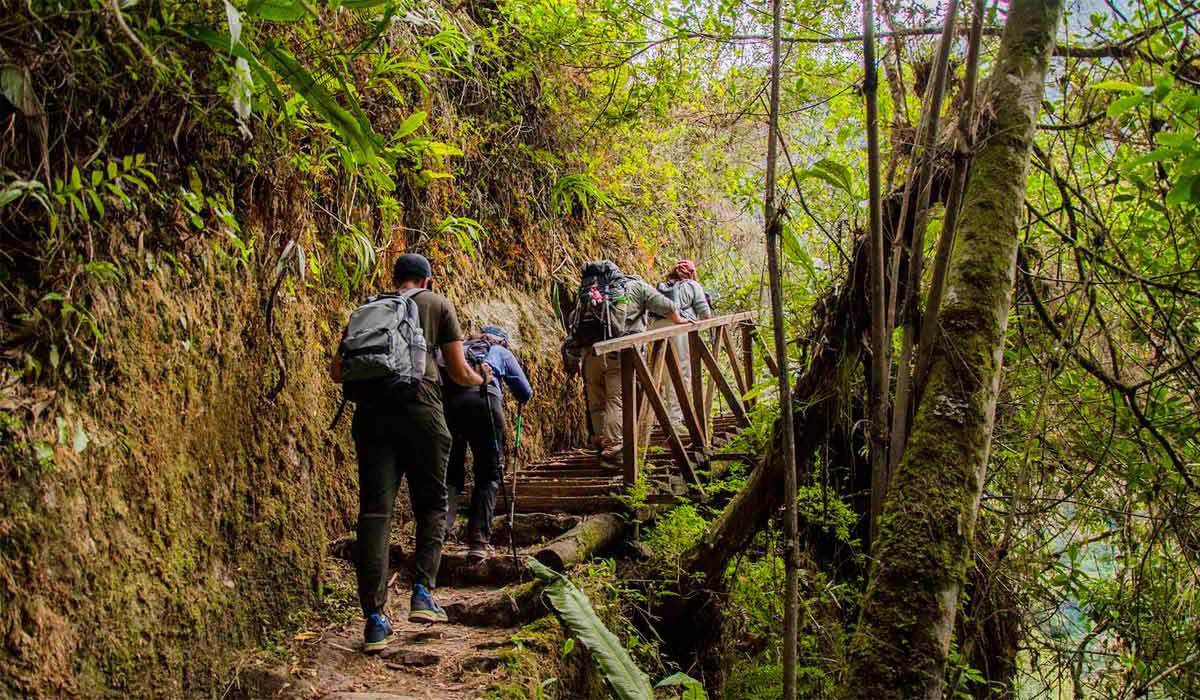
Hiking Tours to Machu Picchu
There are many routes to Machu Picchu, but none are like the Inca Trail tours, the most famous walking route in both the Americas! The tour begins in the capital of Peru, - Lima, from where you arrive by airplane in Cusco, the former capital of the Incas. It is followed by four days on a journey through forests and dense fog, ancient stone steps, and dicovering the ruins of Incat fortifications and towns while enjoying majestic views at all times.
There Are Many Options to Reach Machu Picchu or Take an Alternative Trek:
- Salkantay Trek, 5 days
- 5 day Inca Trail, 5 days
- Inca Quarry Trail, 4 days
- 2 Day Inca Trail Tour
- 3 Day Inca Trail
- Vilcabamba Hike to Machu Picchu, 6 days
- Choquequirao Trek to Machu Picchu, 9 days
- Ausangate Trek, 7 days
If you want to visit Machu Picchu, we suggest you to book your Machu Picchu ticket in advance.
When Is the Best Time for a Hike to Machu Picchu?
The best period is during the dry season, which sets from April to the end of September. Rain starts in October and you can see Machu Picchu covered with clouds. If you are traveling in June, we recommend that you book a tour of Inti Raymi 2025 on June 24, as well as the Palcoyo Mountain Tour, an incredible hike to Rainbow Mountain placed in the Andes.
Classic Inca Trail
This challenging but pleasing and beaut4iful path is at the top of travellers wish list. The constant demand and tightening of Inca Trail regulations mean that its accessibility has become a problem. For this reason, there are now many alternative routes to Machu Picchu. Even so, many people still want to make the Inca Trail Trek, so it is essential to book it as soon as possible to secure your spot!
Choquequirao Trek
Choquequirao is a "Sister" city of Machu Picchu with a similar importance, built along similar lines, but so far it has remained completely unnoticed. Due to stricter regulations on the Inca Trail, it is now a viable alternative. It is harder to get to and is still relatively without tourists. Choquequirao is said to mean "Cradle of Gold" and was clearly in a high position for the Incas. This is probably what the situation at Machu Picchu looked like 25 years ago, both in terms of tourism and the absence of major reconstructions. The Peruvian government plans to start extensive tourism here building a cable car.
BIRDWATCHING
Peru is one of the most important places in the world for bird fans. It competes with Colombia for the largest list of birds in the world. Of all the bird species on the planet, 18.5% are found in Peru, including 45% of all Neotropical birds. Almost 2,000 species of resident and migrant birds are recognized throughout Peru, which means there are excellent bird-watching opportunities! Birds breed throughout the year, although the optimal time is in October, just before the rainy season, so it is easier to find birds from September to Christmas. If you are going to the mountains, do not forget to wear raingear, especially during the rainy season (November-April)!
Manu Biosphere Reserve
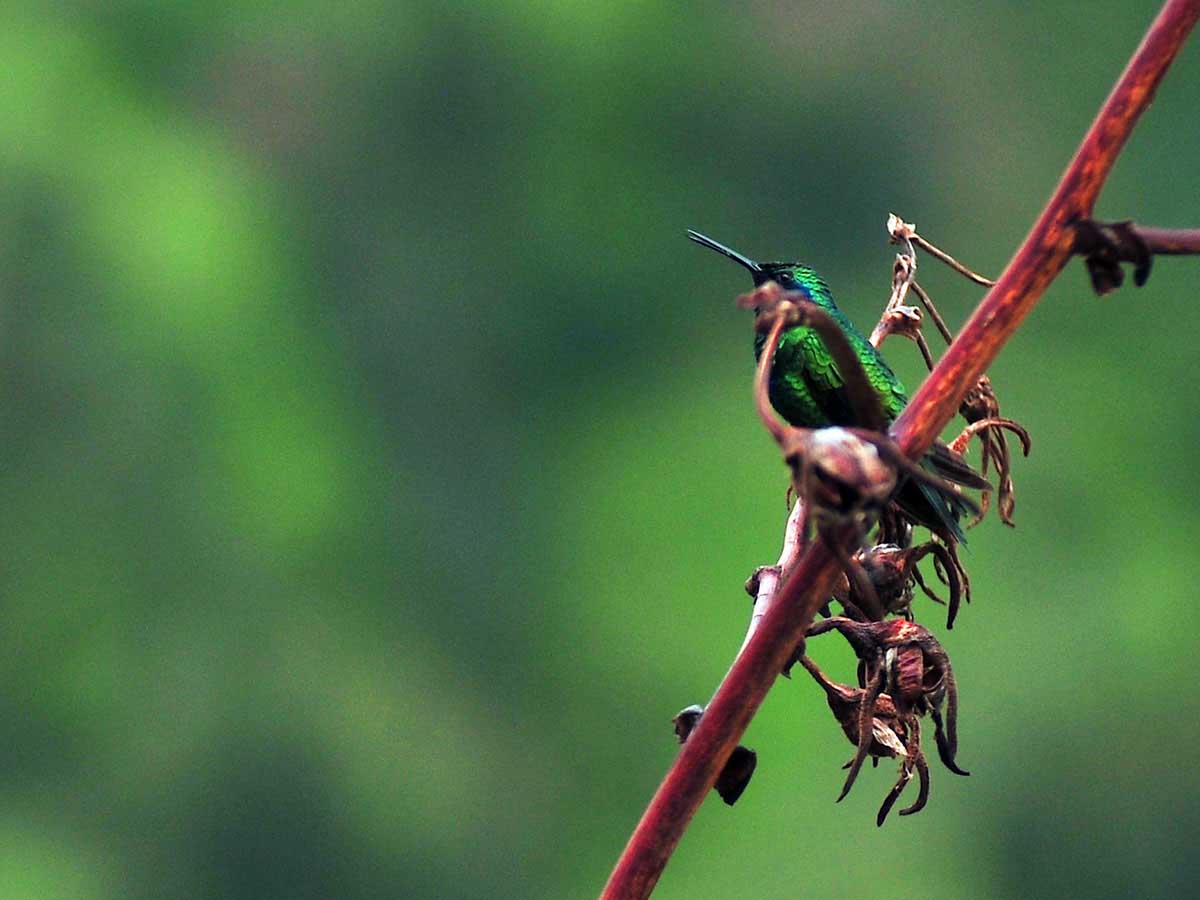
The Manu National Park, declared a Biosphere Reserve by UNESCO, is an essential destination for ecotourism, known for holding one of the greatest concentrations of biodiversity on the planet. It is estimated that the area holds more than 1,000 recorded bird species, an extraordinary number that attracts observers from all over the world.
Among the most sought-after birds are the Andean Cock of the Rock (Rupicola peruvianus), quetzals, toucans, and the spectacular gathering of macaws at the collpas (clay walls). This viewing takes place in a primary jungle environment, which guarantees an authentic experience focused on conservation.
- Regional Diversity and Logistics
The sighting opportunities extend to other key regions of Peru. The northern high jungle, for example, is the only habitat of the Colibrí Cola de Espátula (Loddigesia mirabilis). Similarly, the Andean canyons are the main site for observing the Andean Condor.
The logistics for visiting Manu are complex and require a specialized tour, with access from Cusco or Puerto Maldonado, and a stay in ecolodges. The experience is complemented by the high specialization of the naturalistic guides in the area.
FISHING
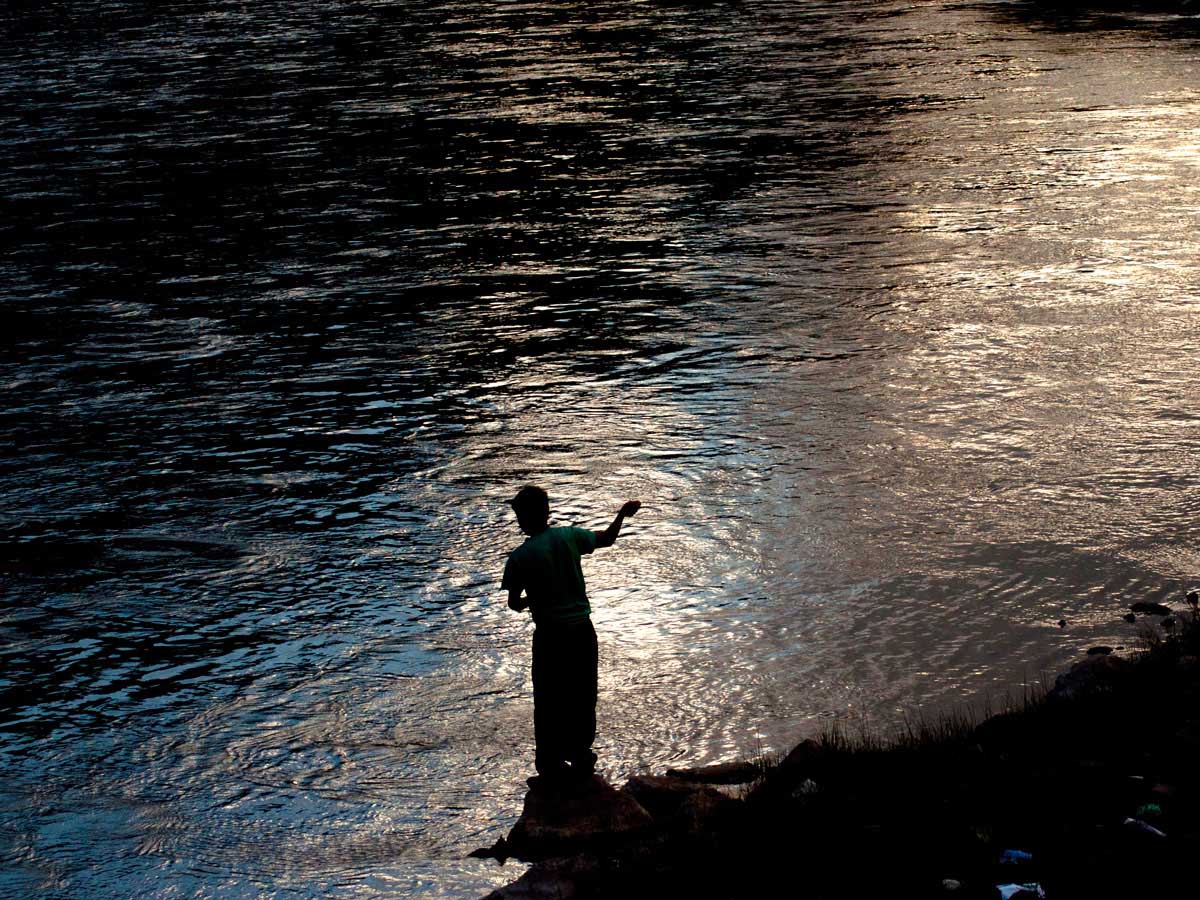
Amazon is one of the most suitable places on the planet where you can fish, and moreover in the most amazing environment! The Tambopata River includes a wide range of freshwater fish such as Payara, Pacu (Giant Piranha), Catfish, Zungaros, Piros and Suburim. The largest black marlin in the world, weighing an incredible 702 kg (1,560 lbs), was caught in Peruvian waters!The coast offers fine saltwater fishing, while good trout fishing can be found in the Andean highlands.
WHITE WATER RAFTING
The combination of high peaks and rainforest jungles creates an excellent environment for rafting. Nothing can beat an adrenaline rush of rafting down the river against some of the best waters in the world! Peru can pride with some of the best rivers on Earth, some of which are included in the world's top 10 white waters. The most popular place is the Apurimac River, which offers Class IV and V rapids. In addition to being incredible adrenaline, it also gives you access to areas that are otherwise inaccessible. Desert canyons to dense jungles that will show you part of the wilderness rarely seen, like animals that live on the banks of the river to marvellous rock formations eroded by the strong river.
Peru has the deepest canyon worldwide - Colca Canyon! It also has the origin of the world's largest river - Amazon! However, rafting beginners should start with Urubamba River, which is calmer. Those experienced can enjoy a jungle tour that includes rafting.

SURFING
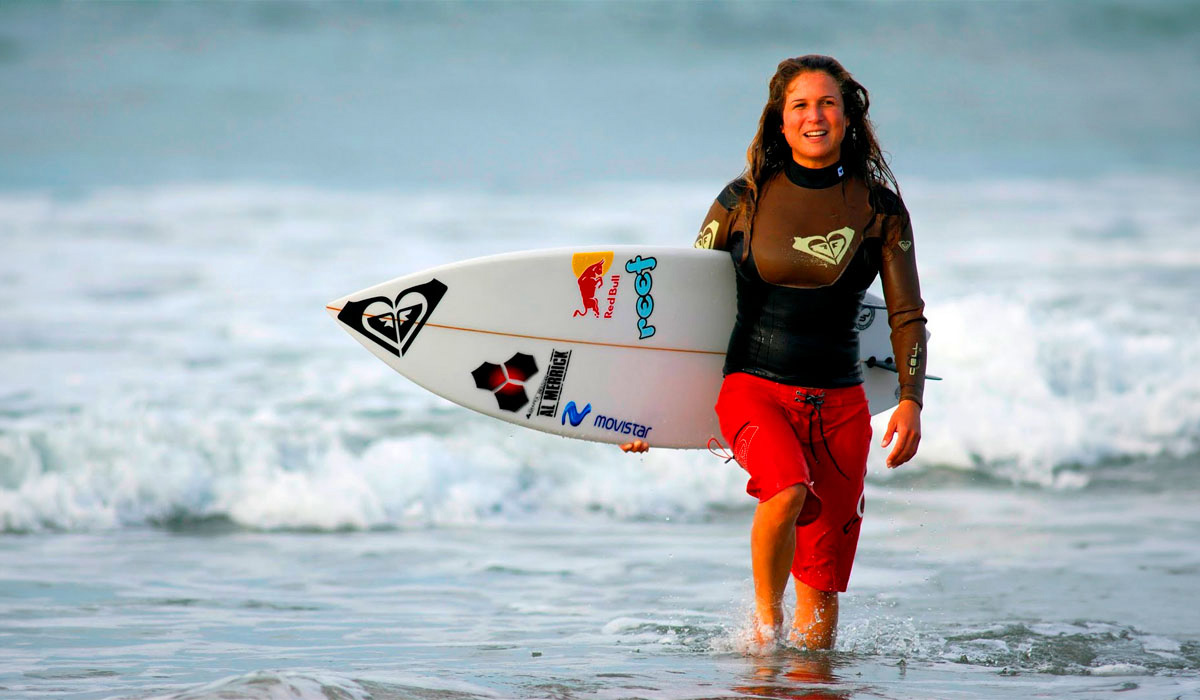
The Peruvian coast, with more than 3,000 kilometers of length, is a destination known for the consistency and variety of its breaks. Archaeologists believe that Peruvians were forerunners of surfing, using the ancient caballitos de totora near Huanchaco (Trujillo). Geographically, the Humboldt Current helps the quality of the waves, creating swells that stay constant throughout the year, which allows the sport to be practiced in any season.
The surf options in Peru are divided into two regions, each with a specific type of wave:
- North of Peru: This area is world-famous for being home to the longest left wave in the world, located in Puerto Malabrigo (Chicama), with breaks that can be over 800 meters long. Other key spots in the north include Cabo Blanco and Órganos.
- Central/South Coast (Lima): Near Lima, spots like Punta Rocas (host of world championships) and Pico Alto offer challenges for experienced surfers with big and consistent waves.
Season and Logistics
Surfing is possible all year in Peru. However, the season for the best waves varies: the strongest waves in the South/Lima occur between April and October (created by southern swells), with May being a highlight month. The North gets its best waves between November and March (created by northern swells). The great length of the Peruvian coast offers many beaches suitable for all experience levels.
MOUNTAIN BIKING
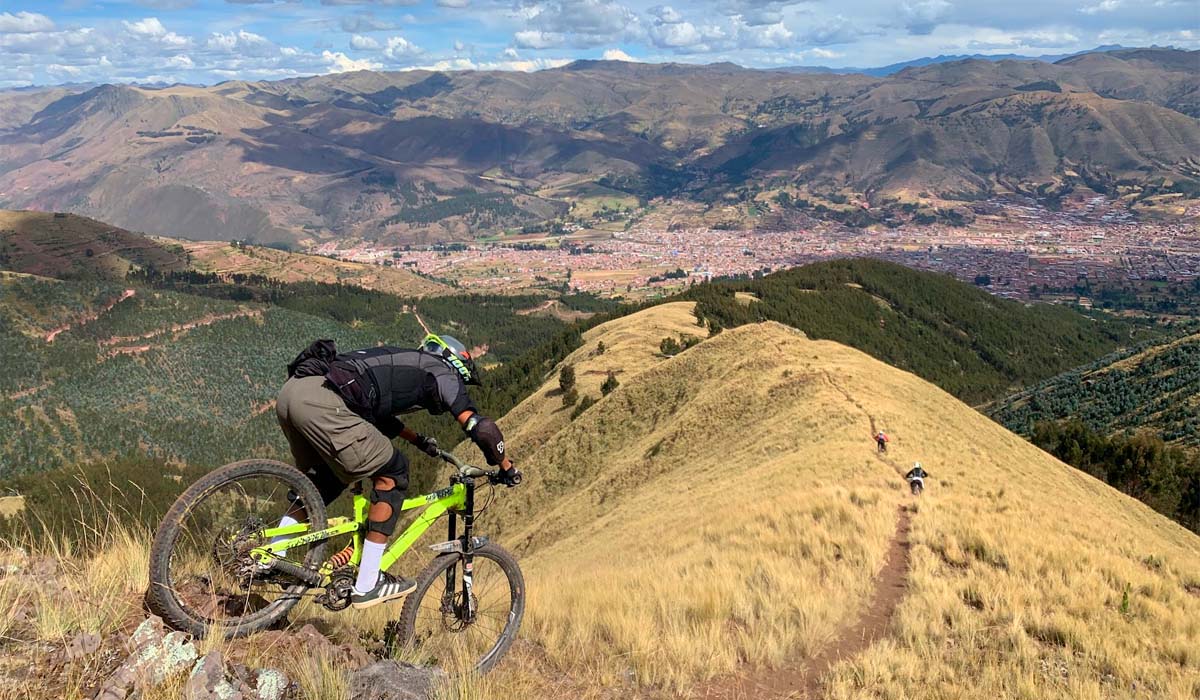
Peru is becoming one of the main global destinations for mountain biking thanks to its vertical geography. The Andes Mountains, with many peaks that are over 5,500 meters, create an ideal terrain for routes with large elevation changes and long, technical descents.
The most unique feature of the Peruvian routes is that they use the large network of ancient paths (Qhapaq Ñan) of the Inca Empire. These old roads, which cross canyons, valleys, and mountains, allow for epic descents that mix the sport challenge with the exploration of remote archaeological sites.
Key Areas for Practice
The main areas for mountain biking are centered in:
- Cusco / Sacred Valley: Offers popular descents that start from the high plain and end at the bottom of the valley, often visiting sites like Moray and the Maras Salt Mines.
- Cordillera Blanca (Huaraz): High mountain routes for advanced cyclists, with landscapes of lagoons and snow-capped peaks.
- Multi-sport Routes: Some trekking trips, like the Inca Jungle Trek, include cycling as part of the journey toward Machu Picchu.
Logistics and Recommendation
Since the cycling scene is relatively new and official signs or trail maps are limited in many areas, the safest and most efficient method for technical descents or remote routes is through an organized tour. Specialized agencies ensure certified gear (full-suspension bikes), safety, and the necessary logistical support for high mountain routes.
SANDBOARDING
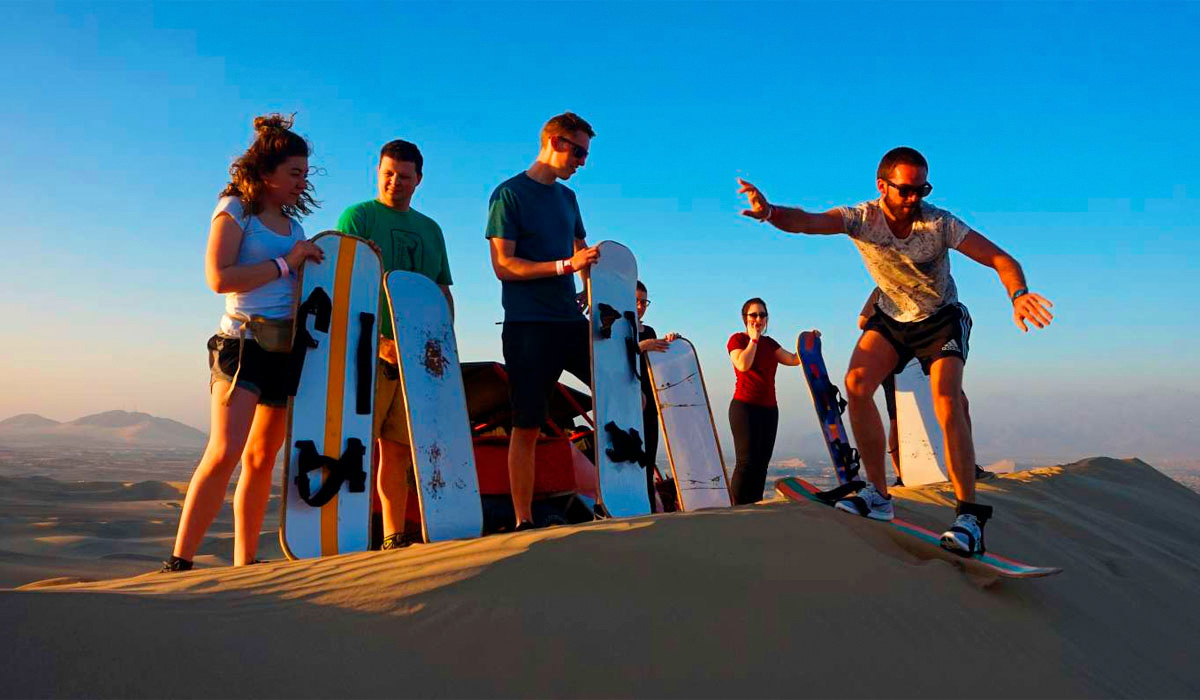
Sandboarding is an adventure sport that uses sand dunes as a slope. Its main practice center is the Huacachina Oasis, located a few kilometers from the city of Ica. The area is known for having some of the largest and highest dunes in South America.
The Experience and Logistics
The sandboarding activity is usually offered in organized tours that combine it with buggy rides (sand vehicles). These vehicles take visitors to the top of the dunes, from where they descend on boards. The activity is easy for most travelers and is best done during the afternoon and sunset, when the sand temperature drops.
ROCK CLIMBING
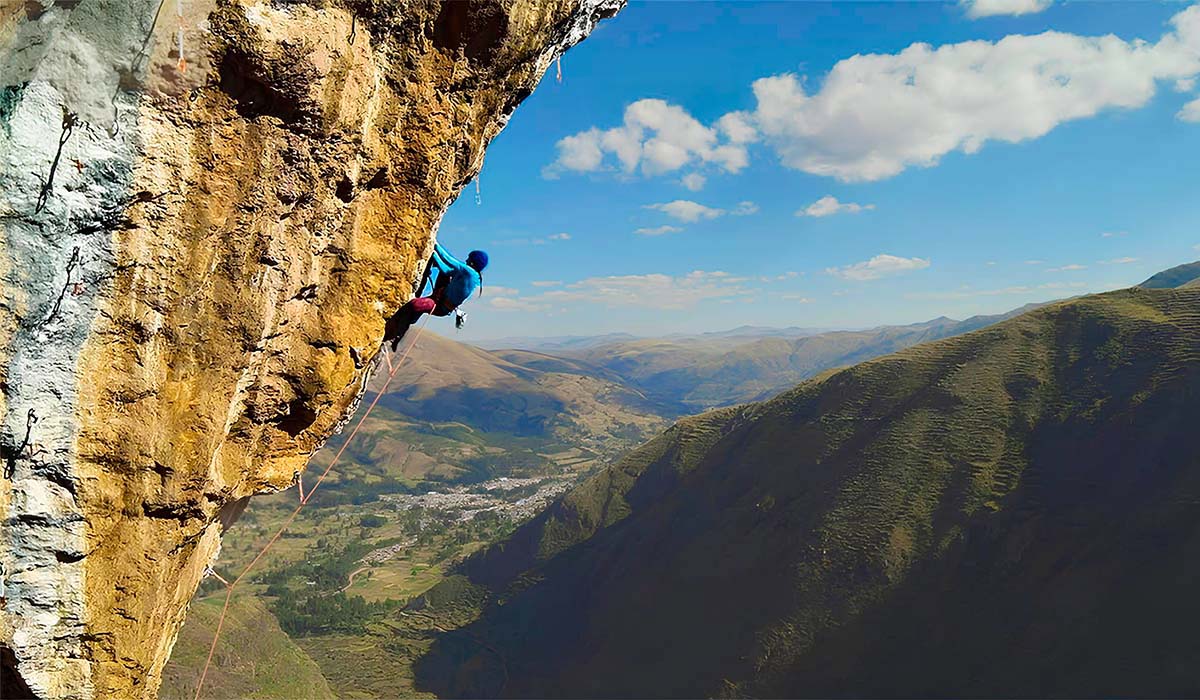
Peru has significant potential for rock climbing due to the Andean geology and the many canyons that cross the highlands. The main centers for sport and traditional climbing are found in the Cordillera Blanca (Huaraz) and the Cusco region.
Options by Region
- Huaraz (Cordillera Blanca): It is the center for mountaineering and ice climbing. It is ideal for technical climbers looking for routes of great difficulty and big walls in high mountain areas.
- Cusco / Sacred Valley: Offers accessible sport climbing sectors (like near Urubamba) and the popular vías ferratas style (ladders fixed to cliffs) that allow tourists to try climbing safely and without needing previous experience.
Best Tours in Peru
Many are the routes that take you to Machu Picchu, but none is like the Inca Trail Tours, the most famous pedestrian path in the Americas. After flying from the capital of Perú, Lima, you will arrive in Cusco to walk for four days along a path through forests and dense fog, millenary stone steps and discovering the ruins of ancient fortifications and Inca cities, and all the time enjoying majestic views.
- Peru Adventure Holidays
- Enigmatic Peru
- Peru Full of Adventures
- Peru Luxury Travel
- Peruvian Highlands
- Discover Peru
Inca Trail, Machu Picchu and more
- Salcantay Trek Peru to Machu Picchu 5 days
- Palcoyo Mountain Tour
- Cusco to Manu Tour
- Humantay Lake Day Trip
- Huchuy Qosqo Day Hike
- Llactapata Inca Trail to Machu Picchu
- Apurimac River Rafting
- Vilcabamba Trek to Machu Picchu
- Inti Raymi and Machu Picchu Tour
If you want to visit Machu Picchu, we recommend you to book your Machu Picchu Ticket in advance, so you will enjoy your Vacation in Machu Picchu without any problem.


