
The history of Peru is a complex tapestry that continued to grow much richer long after the Spanish conquest. From this process, we have inherited an unmatched beauty shown in its architecture, painting, music, and crafts, many of them with the unique touch of the mestizo style. Almost five centuries have passed since the arrival of European influence, and today the territory has monuments in Peru and corners of singular beauty that fuse the traditions of Western and indigenous cultures into a single identity.
When walking through its cities, it is common to cross streets that preserve ancient traditions and the soul of their inhabitants. Because of this, the country stands in this 2026 as one of the most diverse and interesting destinations in the world. It is a territory full of famous places in Peru, from authentic historical sanctuaries to ancient cities where one of the most amazing and majestic cultures of humanity once lived.
Today, the preservation of these ruins and the majesty of its colonial and republican buildings are, without a doubt, the greatest tourist attractions of Peru. Next, we invite you to discover the architectural treasures that tell the memory of a nation.
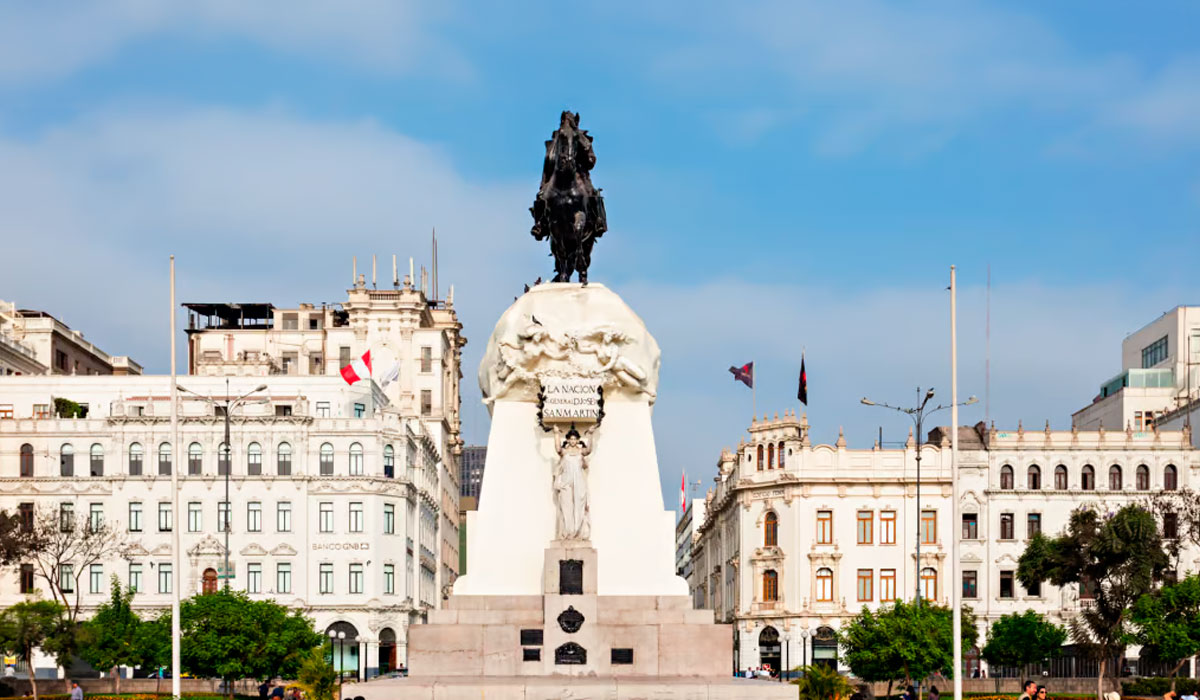
Getting to Know the Most Important Monuments of Peru
Throughout the national territory, historical centers of great relevance are preserved, tangible evidence of the influence of the Spanish conquest. With the arrival of the Europeans, the physical form of the settlements changed drastically; new urban centers were created whose main feature was the typical "damero" (checkerboard). This layout, inspired by a chessboard, organized the city into square or rectangular blocks arranged around a main square, the heart from which the city grew and projected itself.
Monumental Urban Zones and Environments
Just like specific Monumental Zones, Monumental Urban Environments are numerous. Generally, the main squares of each department have been recognized under this category, as they represent centers of great relevance not only because of the arrangement of their streets and avenues, but because of the emblematic architecture that defines them, from colonial balconies to baroque and neoclassical facades.
Artistic Heritage: From the Object to the Space
Peruvian Artistic Heritage is a vast network that is not limited to museums. It is alive in:
- Religious Sites: Countless churches that house gold leaf altars and unique carvings.
- Civil Buildings: Public buildings and private mansions that preserve the history of families and the state.
- Transversal Expressions: Due to the complexity of our history, Peruvian art is qualified in a broad and universal sense. This includes everything from pre-Hispanic ceramic and metalwork objects to colonial and republican painting, closing the circle with contemporary photography.
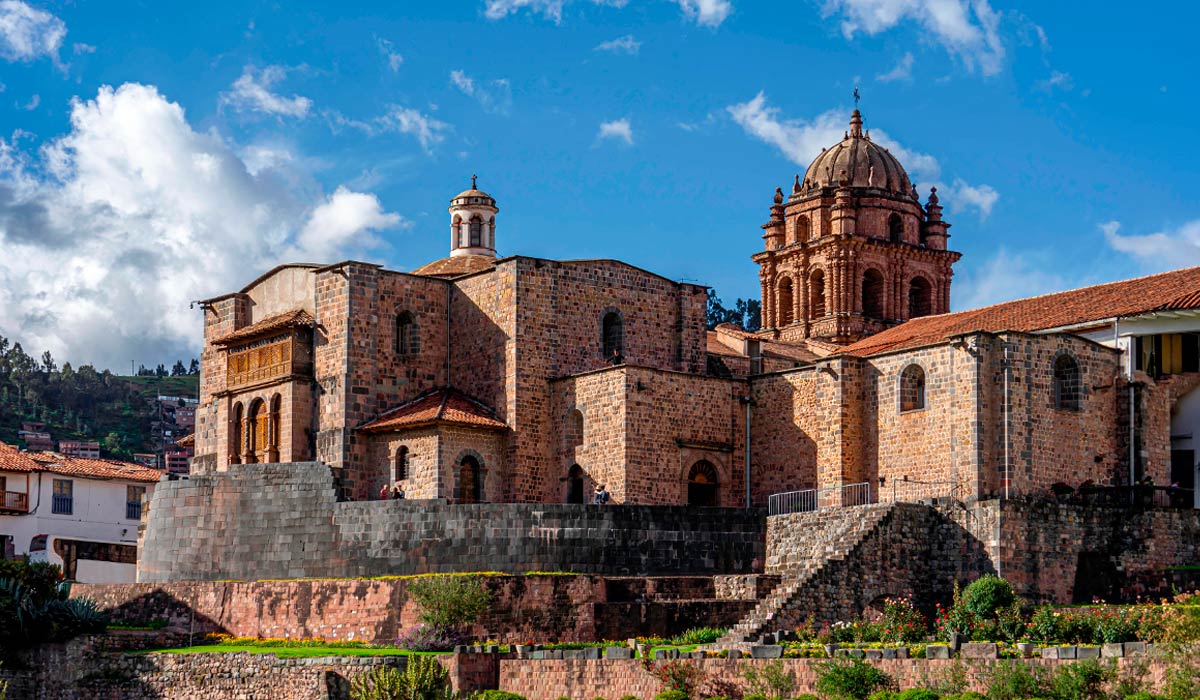
Most Famous Archaeological Sanctuaries of Cusco and the Sacred Valley
While colonial architecture defines the urban centers, it is the archaeological monuments that tell the true size of the Andean civilization. In Cusco and the Sacred Valley, stone was not just carved; it was "tamed" to create sanctuaries that work in perfect harmony with the sacred geography (Apus) and the cosmos.
These are the complexes you must visit to understand the engineering and spirituality of ancient Peru:
-
Machu Picchu: The Historical Sanctuary
More than a citadel, it is the ultimate monument of South America. Nestled in the jungle brow, this masterpiece of Inca architecture and engineering integrates into the landscape in such a way that it seems sculpted from the mountain itself. Its temples, terraces, and water channels still work after five centuries, with the Intihuatana and the Temple of the Sun being the points of highest energetic and astronomical charge. -
Sacsayhuamán: The Megalithic Fortress
Located above the city of Cusco, this giant structure is a challenge to modern logic. Its zigzag walls, made of limestone blocks weighing up to 120 tons, fit with such precision that not even a piece of paper can pass between them. Although chroniclers called it a "fortress," today we know it was a great Ceremonial Temple dedicated to the Sun, and it is here where every June 24 the impressive Inti Raymi is performed. -
Ollantaytambo: The Living Inca City
This is one of the few examples of Inca urban planning that has survived almost intact. Located at the end of the Sacred Valley, Ollantaytambo worked as a strategic military, agricultural, and religious center. Its famous Temple of the Sun, unfinished but majestic, shows six giant pink porphyry monoliths that were transported from a quarry on the other side of the river and brought up a nearly vertical slope. -
Písac: The Guardian of the Valley
Dominating the entrance to the Sacred Valley, Písac stands out for its system of terraces (agricultural platforms) that covers the entire mountain like a giant green staircase. At the top is the religious neighborhood with its own Intihuatana and, in the nearby cliffs, the largest pre-Hispanic cemetery in the region, known as Tankanamarka, which held thousands of tombs in its natural holes. -
Moray: The Agricultural Laboratory
Unlike fortresses or temples, Moray is a monument to science. Its natural depressions were transformed into concentric circular terraces that, depending on the depth, create different microclimates. It is believed that the Incas used this place to experiment with crops from different regions, managing to adapt products from the jungle and the coast right in the highlands.
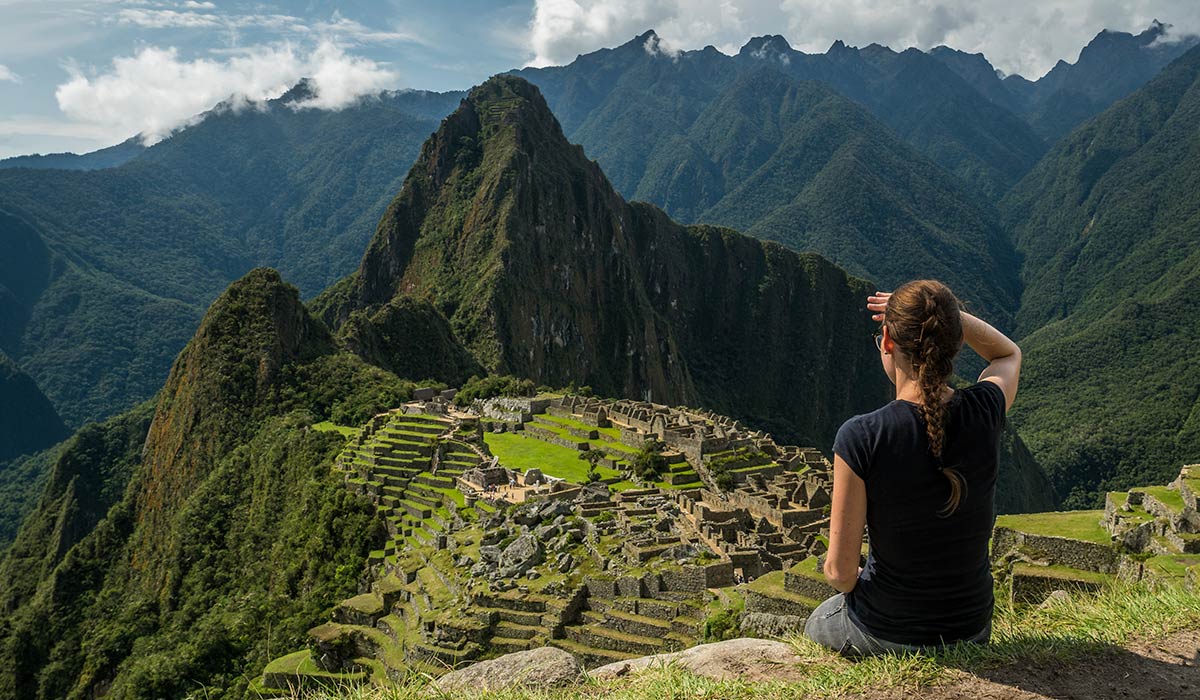
Inca City of Machu Picchu
Peru Top Tourist Attractions
-
Choquequirao
It consists of a wide series of ruins of an ancient Inca city located in southern Peru and has certain similarities with Machu Picchu. Choquequirao (the cradle of gold), is located in the northwest region of the city of Cusco and is built on the highest point of the Salkantay mountain, at 3,085 meters, which implies a 2 day excursion to reach the ruins. The first non-Inca visitor to visit this historic Inca monument was Juan Arias Díaz, who arrived there in the year 1710. If you want to visit this incredible site, you must take the Choquequirao Trek 4 Days. -
Chavin
Chavín de Huantar is an archaeological site of great historical and cultural value, since it was built no less than between 850 and 300 BC. It is believed that the construction was carried out by a pre-Inca group called Chavin and is located 250 kilometers from Lima, the capital of Peru. On the other hand, Chavín de Huantar also has a very considerable elevation, equivalent to 3,200 meters. -
Chan Chan
This is the longest city of the pre-Columbian civilization in all South America. Chan Chan is located in the west of Trujillo and in total, the place has an area of 20 square kilometers. It was built by Chimor, Kingdom of Chimú, a civilization that arose from what until then was of the Moche. Around 30,000 people lived on this site. -
Kuelap
Kuelap is associated with the Chachapoyas culture and consists of a huge wall that, even today, shelters more than 400 ancestral buildings behind its solid and gray rocks. Kuelap is located in the north of Peru, about 600 meters long and 110 meters wide. It is estimated that the construction could have been done to protect against hostile attacks from other communities. -
Arequipa
Founded in 1540 by a group of Spanish conquistadors, the historic city of Arequipa offers an exotic and attractive combination of Spanish culture and native culture. Similar to many other ancient cities of Peru, the charm of Arequipa is truly unique. Among its greatest attractions are the various monuments, plazas and structures with religious themes that date back to the 16th and 19th centuries.
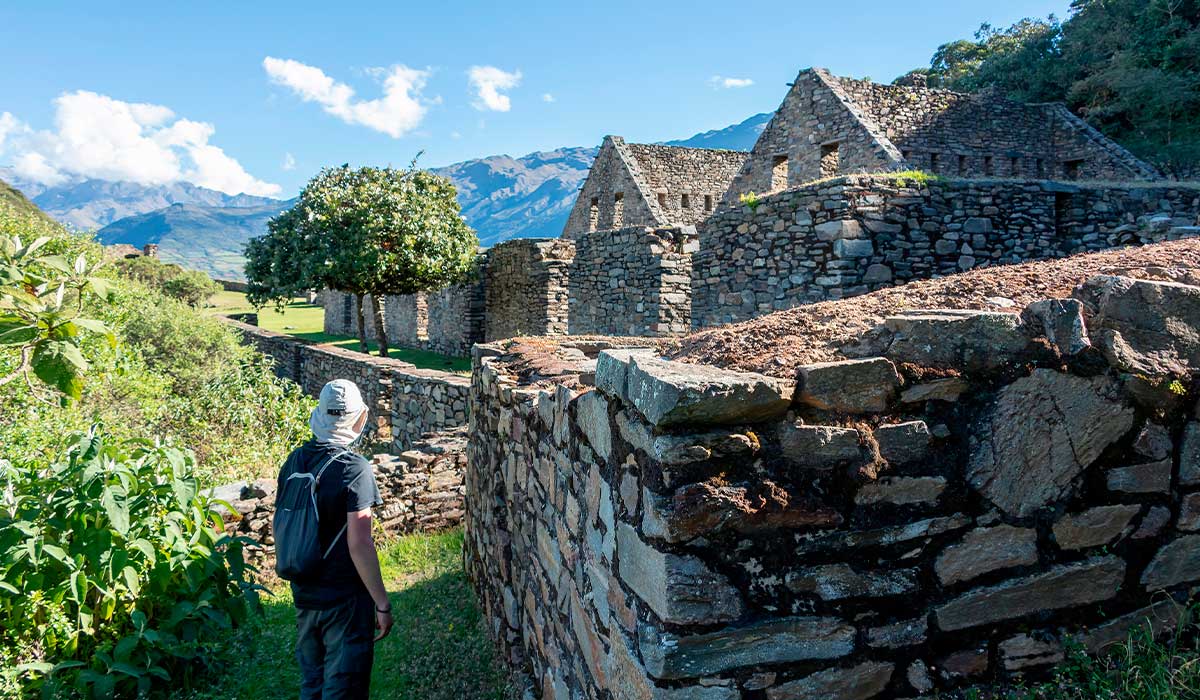
Inca monument: Choquequirao
Tourist Excursions through Peru: Live the History
Discover and do not miss the sites and monuments that make our country unique, as they are part of our culture. Enjoy the best tours through Peru selected to get to know the history:
- Tour to the Machu Picchu Citadel: It is the crown jewel and the most visited monument in South America. This tour takes you by train through the Sacred Valley to the lost city of the Incas. The guided visit explores the main temples, the Intihuatana, and the sacred squares, revealing how this society managed to tame stone in an impossible geography.
- City Tour in Cusco and its 4 Ruins: This journey is fundamental to understanding the history of Cusco. You will visit the Qoricancha (the Inca gold enclosure) over which the Convent of Santo Domingo was built, and the imposing Cathedral of Cusco, guardian of colonial art treasures. Then, the tour goes up to the outskirts of the city to explore the megalithic fortress of Sacsayhuaman, Qenqo, Puca Pucara and Tambomachay.
- Flight over the Nazca Lines: Located on the arid southern coast, these geoglyphs are an open-air monument unique in the world. From a small plane, you can observe giant figures like the Hummingbird, the Monkey, and the Spider, drawn thousands of years ago by the Nazca culture. Unlike the stone monuments, this is an astronomical and religious mystery engraved in the earth itself.
When is the best time to visit Peru?
The best season is during the dry season, which covers the months April to the end of September. In October the rains begin and you can find Machu Picchu covered by clouds. If you travel in June, we recommend you to book the Inti Raymi 2026 Tour that takes place in June 24th, and also hike the Palcoyo Mountain Tour, which is an incredible Rainbow Mountain located in the Andes.
Top Peru Tours
Peru offers you the opportunity to meet incredible cultures, live captivating festivities and perform such diverse activities ranging from a traditional visit to archaeological sites to the practice of adventure sports and encounters with nature. We invite you to discover and enjoy the best Peru Trip.
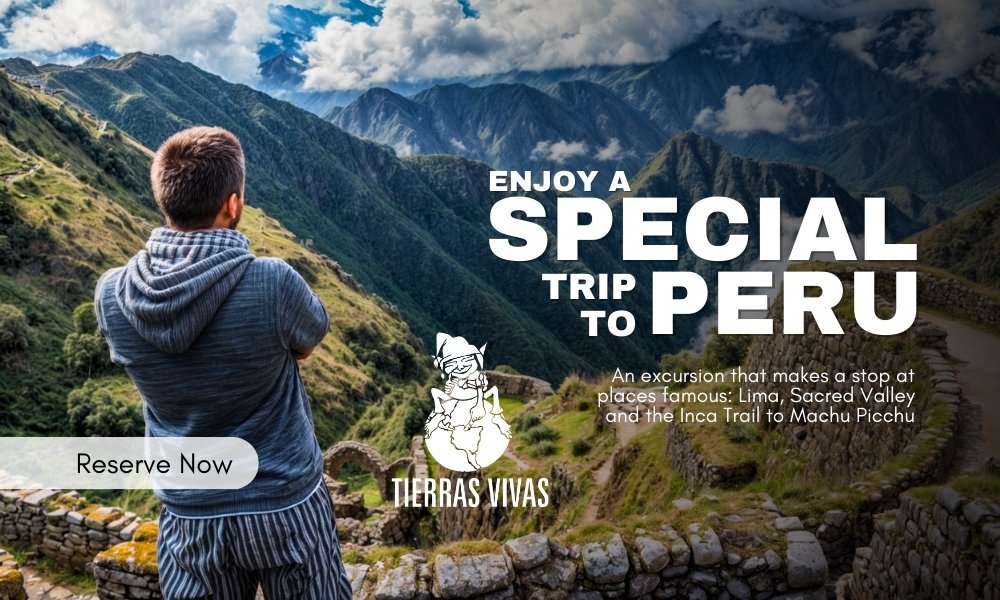
Many are the famous tours in Peru, but none is like the Inca Trail Tours, the most famous pedestrian path in the Americas. After flying from the capital of Perú, Lima, you will arrive in Cusco to walk for four days along a path through forests and dense fog, millenary stone steps and discovering the ruins of ancient fortifications and Inca cities, and all the time enjoying majestic views.
- Deep Peru Discovery
- Enigmatic Peru
- Peruvian Highlands
- Peruvian Diversity
- Salkantay Trek to Machu Picchu 5 days
- Hiking the Inca Trail to Machu Picchu 5 days
- Lares Trek to Machu Picchu 4 Days
- 2 Day Inca Trail Tour
- 2 Day Inca Trail with Camping
- 3 Day Inca Trail
- Vilcabamba Hike to Machu Picchu 6 days
- Choquequirao trek to Machu Picchu 9 days
- Ausangate trek 7 days
If you want to visit Machu Picchu, we recommend you to book your Machu Picchu Ticket in advance, so you will enjoy your Vacation in Machu Picchu without any problem.


