

The Machu Picchu complex is not only defined by its Inca citadel, but also by the three sacred mountains that flank it: Huayna Picchu, Machu Picchu Mountain and the most recent one to be accessible, Huchuy Picchu. These peaks are, in fact, one of the main attractions of the sanctuary, offering the visitor the opportunity to do a challenging Peru adventure tour in the heart of the Inca Empire.
The hike up any of these peaks reveals unique trails and provides incomparable aerial views of the citadel. Integrating the climb to one of them in your excursion to Machu Picchu from Cusco requires careful planning, since access is strictly regulated through limited tickets per turn.
Choosing between Huayna Picchu (the young and steepest peak), Machu Picchu Mountain (the highest and most panoramic summit), or Huchuy Picchu (the shortest hike) will determine the level of effort and the type of perspective that you will get of the sanctuary. This guide focuses on helping you organize your itinerary to enjoy this unique experience without setbacks.
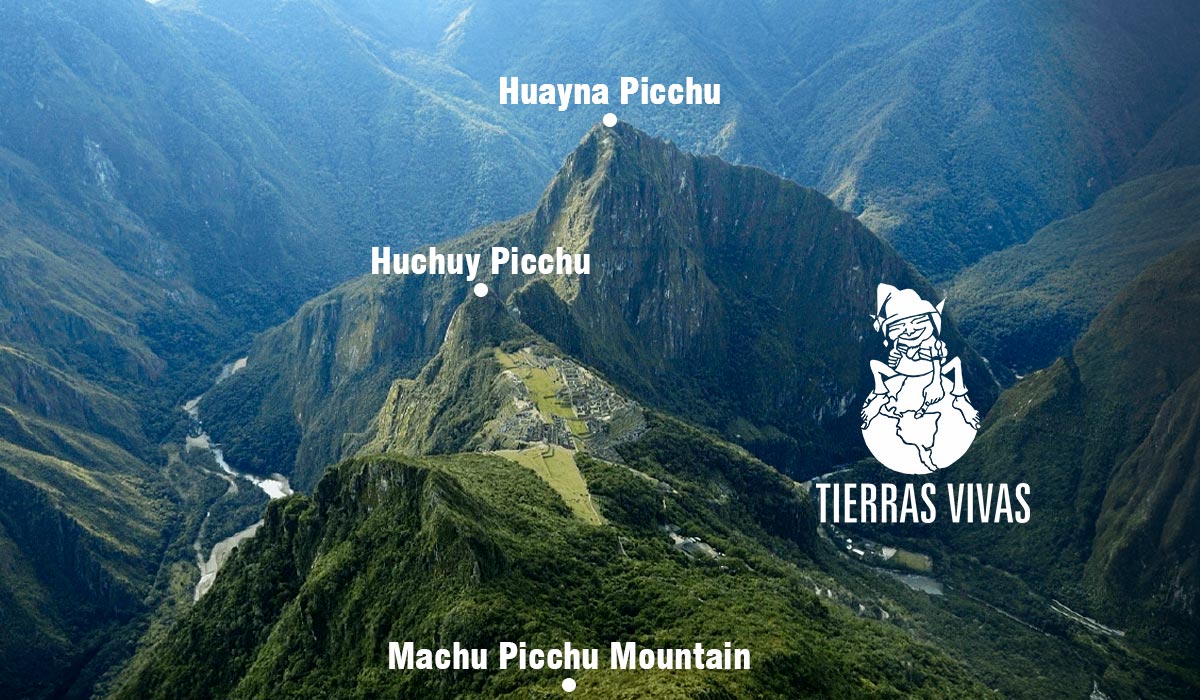
The mountains of Machu Picchu
These hikes are considered part of the adventure holidays Peru, offering the best Peru landscapes, so planning the entry time is crucial. Also, access to the three mountains that surround the Machu Picchu citadel is strictly regulated and requires buying a specific ticket. Below, we will get to know each of these mountains:
About the Huchuy Picchu Mountain
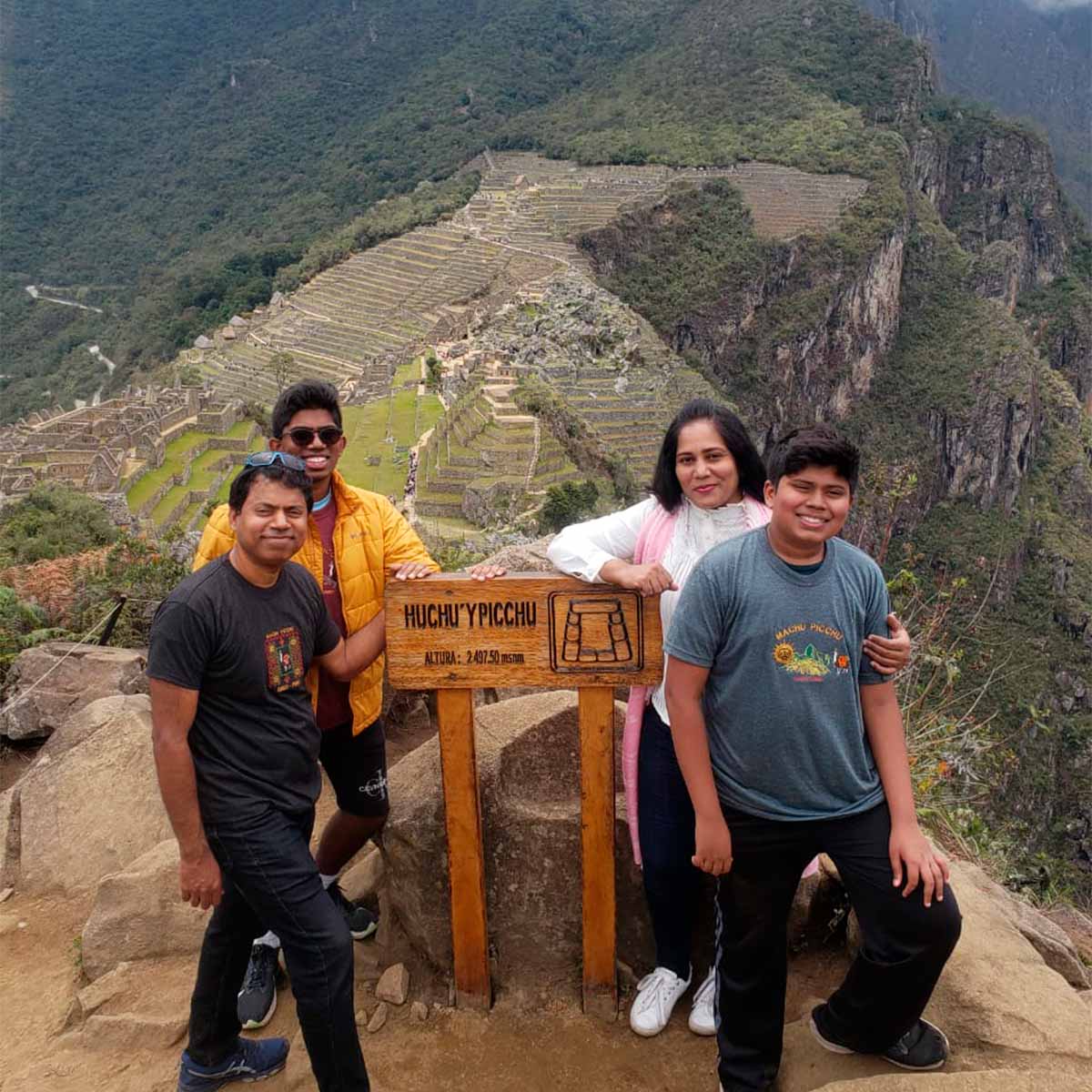
Huchuy Picchu, whose name in Quechua means "Small Mountain", is located right next to Huayna Picchu, and offers a raised view of the Inca site without requiring the exhausting hike of its neighboring peaks; what is more, its creation as a tourist route seeks to offer a more accessible climbing option.
The hike to the Huchuy Picchu mountain is short, generally taking less than an hour for the total ascent and descent. Although it does not reach the height or the full panoramic view of Machu Picchu Mountain or Huayna Picchu, its position guarantees spectacular views of the citadel and the surrounding valley. It is important to remember that the entry ticket to Huchuy Picchu directs visitors through Circuit 3D, so it limits the exploration of the citadel to the lower zone, including the Temple of the Sun and the House of the Inca.
Features of Huchuy Picchu
- Low Difficulty: It is the least exhausting hike of the three Machu Picchu mountains, suitable for most visitors looking for an aerial view without great effort.
- Access: It offers the greatest number of daily entry times (from 7:00 am to 14:00 pm), which provides greater flexibility in itinerary planning.
- Assigned Route: The ticket mandatorily requires following Circuit 3D of the citadel. It is worth noting that this route is only available in high season.
 |
 |
About Huayna Picchu Mountain
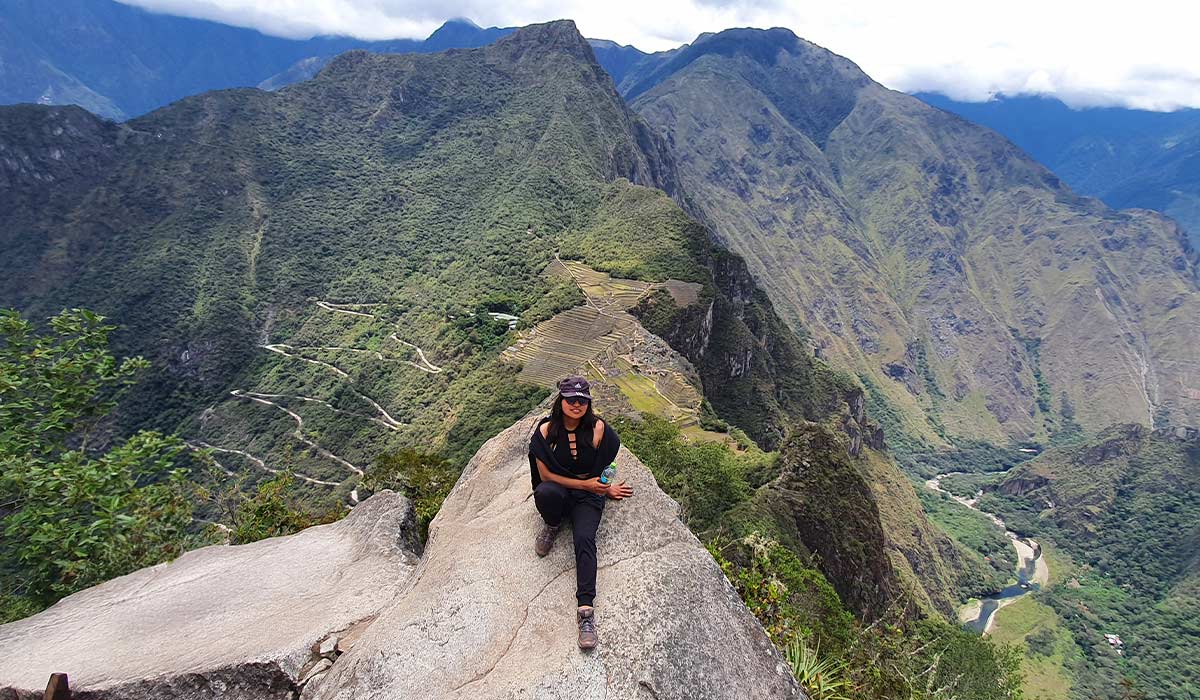
Huayna Picchu Mountain ("Young Peak") is perhaps the most iconic and desired summit for visitors to the citadel, its ascent represents a significant challenge, ideal for travelers in good physical condition. The hike is famous for its narrow and steep paths, which include sections of almost vertical stairs, known as the "Stairs of Death" (although the risk has been reduced with ropes and safety measures).
The effort invested to reach the top is worth it, as you can see a complete view of the Machu Picchu citadel. On the other hand, tickets for Huayna Picchu are limited and usually sell out fast; also, you must know that the entry ticket to this mountain directs visitors to hike Circuit 3A of the citadel, which allows seeing the lower terraces and some urban structures, but restricts access to the upper and classic area of the postcard photo shot.
Key Features of Huayna Picchu
- High Difficulty: It is the steepest and most challenging hike, with technical paths and vertical stairs, requiring good physical condition and not being suitable for people with severe vertigo.
- Iconic Views: The summit offers the most famous and dramatic perspective of the Machu Picchu citadel, positioning it at the base of the mountain.
- Assigned Route: The ticket mandatorily requires following Circuit 3A inside the main complex of Machu Picchu.
About Machu Picchu Mountain
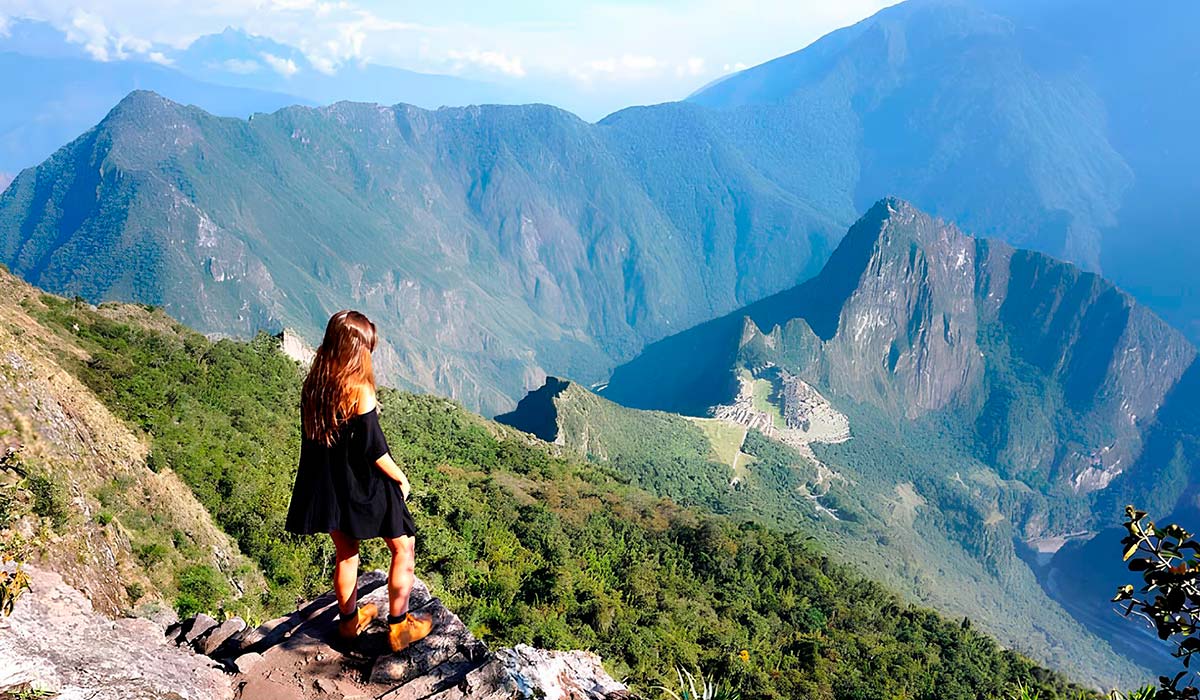
Machu Picchu Mountain, which gives its name to the whole citadel, is the highest and most extensive summit of the three ascent options available. Its hike is demanding, but unlike the vertical nature of Huayna Picchu, this route is longer and with gradual slopes that run along wide paths.
Also, due to its height, the view from the summit (at 3,082 meters above sea level) offers a wider perspective of the Vilcabamba Mountain Range, including the Urubamba River. The entry ticket to Machu Picchu Mountain allows travelers to access via Circuit 1A, the panoramic route.
Key Features of Machu Picchu Mountain
- Medium-High Difficulty: It is a hike of great effort due to its length and altitude, but less technical and less steep than Huayna Picchu, ideal for hiking lovers.
- Classic Panoramic View: It offers the highest and widest view of the whole sanctuary, perfect for landscape photography.
- Assigned Route: The ticket allows access to Circuit 1A, which includes the most famous viewpoints and most of the citadel.
Logistics of the Visit to Machu Picchu
To ensure a smooth excursion to Machu Picchu from Cusco without setbacks, the key lies in planning the overnight stay in Aguas Calientes (Machu Picchu Town) and the arrival logistics properly. This is especially crucial if you plan to do any of the strenuous mountain hikes.
Overnight and Rest Strategy
It is highly recommended to spend the night in Machu Picchu Pueblo (Aguas Calientes) the day before the visit to the citadel. This minimizes the stress of the morning trip from Cusco and guarantees the necessary rest. This recommendation applies even to those who arrive via the famous Inca Trail, whether on its classic route, the 2 day Inca Trail variant or on a 3 day machu picchu trek via alternative routes, since the climb to the Machu Picchu mountains requires energy.
Logistics Access Route
- Cusco to Ollantaytambo: The route to Aguas Calientes begins with a land journey from Cusco to the Ollantaytambo train station. The "Sacred Valley tour" often ends in Ollantaytambo, allowing the traveler to take the train directly from there. Alternatively, direct transport from Cusco is the fastest option.
- Ollantaytambo to Aguas Calientes: From Ollantaytambo, you take the train that ends in Machu Picchu Pueblo.
- Make the most of the Stay: Being in Aguas Calientes a day before, you can enjoy the local gastronomy and get to know the surroundings of the town, ensuring a waking up without rushing on the day of the visit to the citadel.
Logistics of the Visit Day
The day of the visit to Machu Picchu requires getting up very early to make the most of the time.
- Bus Up: The buses from Aguas Calientes to the entrance of the citadel start operating approximately at 5:00 am.
- Travel Time: The bus trip lasts between 25 and 30 minutes. However, it is important to consider that the lines to take the bus form from very early on, so it is recommended to arrive at the stop in advance if you plan to enter at 6:00 am (gate opening time) or if you have an early mountain shift.
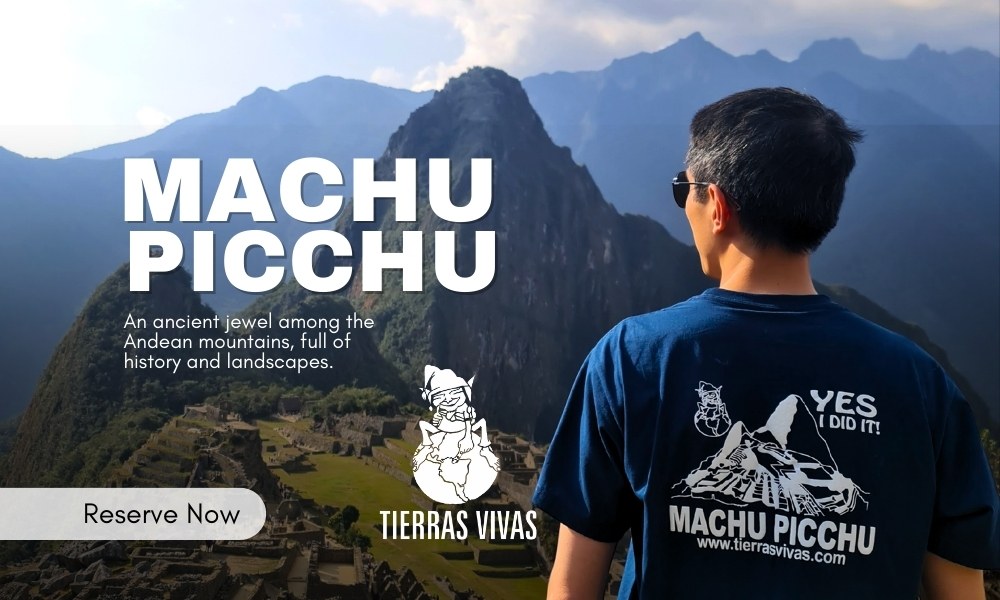
Hiking tours to Machu Picchu
Many are the routes that take you to Machu Picchu, but none is like the Inca Trail Tours, the most famous pedestrian path in the Americas. After flying from the capital of Perú, Lima, you will arrive in Cusco to walk for four days along a path through forests and dense fog, millenary stone steps and discovering the ruins of ancient fortifications and Inca cities, and all the time enjoying majestic views.
- Salkantay Trek to Machu Picchu 5 days
- Hiking the Inca Trail to Machu Picchu 5 days
- Inca Quarry Trail 4 Days
- 2 Day Inca Trail Tour
- 2 Day Inca Trail with Camping
- 3 Day Inca Trail
- Vilcabamba Hike to Machu Picchu 6 days
- Choquequirao trek to Machu Picchu 9 days
- Ausangate trek 7 days
If you want to visit Machu Picchu, we recommend you to book your Machu Picchu Ticket in advance, so you will enjoy your Vacation in Machu Picchu without any problem.
When is the best time to hike to Machu Picchu?
The best season is during the dry season, which covers the months April to the end of September. In October the rains begin and you can find Machu Picchu covered by clouds. If you travel in June, we recommend you to book the Inti Raymi 2026 Tour that takes place in June 24th, and also hike the Palcoyo Mountain Tour, which is an incredible Rainbow Mountain located in the Andes.


