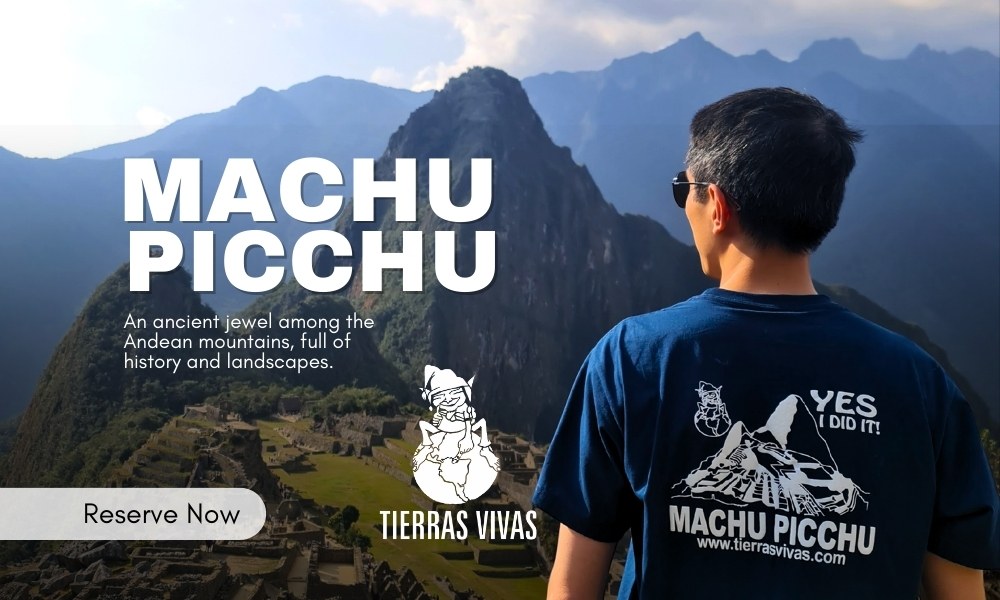
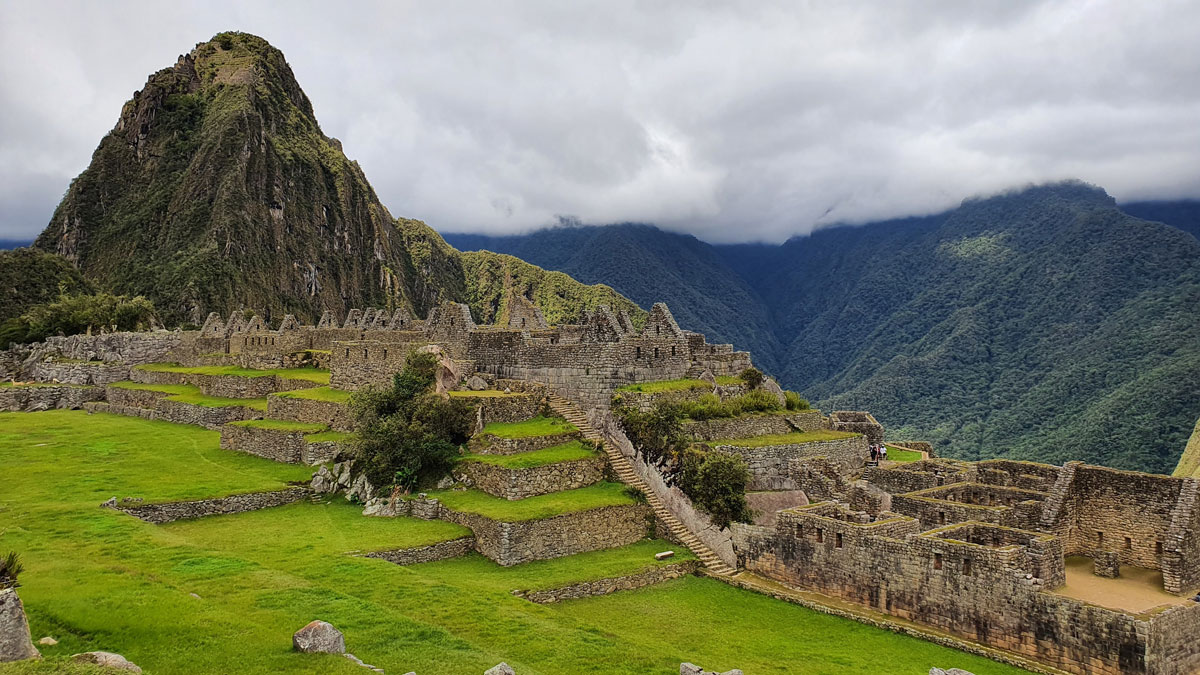
Machu Picchu, the Inca citadel built in the 15th century, is a UNESCO World Heritage site and the most visited archaeological site in Peru. The complex stands in the Andean cloud forest region (Amazon rainforest), overlooking a canyon formed by the Urubamba River.
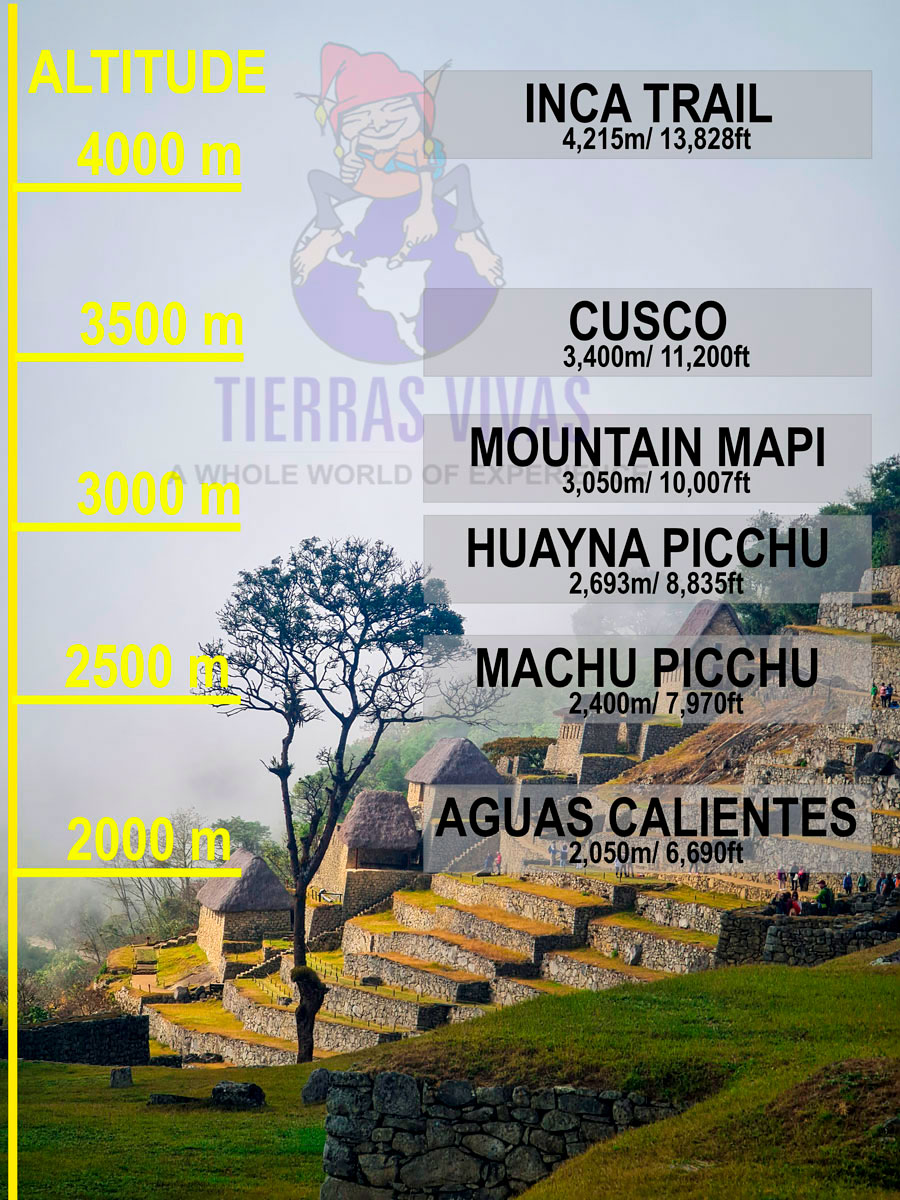
However, the most crucial factor for planning the visit is the elevation of the site. The citadel is located at 2,430 meters above sea level (7,972 feet), an altitude that is much lower than that of the city of Cusco (3,399 msnm). This altitude difference is the key to any acclimatization strategy.
This guide is designed to understand the altitude of Machu Picchu and its logistical implications for your trip. We will analyze the altitude differences between the citadel, Aguas Calientes, and Cusco, we will provide you with acclimatization tips, and we will compare the site's elevation with the optional peaks, such as the Huayna Picchu and Machu Picchu mountains, which demand considerable physical effort at a higher elevation.
Machu Picchu Altitude
The Inca citadel of Machu Picchu is located at 2,430 meters above sea level (7,972 feet). This elevation is a key factor that must be taken into account when planning the visit to the Inca sanctuary; also, this altitude is notably lower than that of the city of Cusco (3,399 masl). Therefore, in the context of a trip through the Andean highlands, this difference makes Machu Picchu an area of relative rest and relief for the body, since you will not have trouble exploring the entire archaeological complex.
On the other hand, statistically, the incidence of acute mountain sickness (AMS or soroche) in the main archaeological area is very low for visitors who have done previous acclimatization in Cusco. The risk of suffering severe symptoms is minimal on the tour through the citadel, which allows visitors to focus on the experience without the constant worry about the altitude.
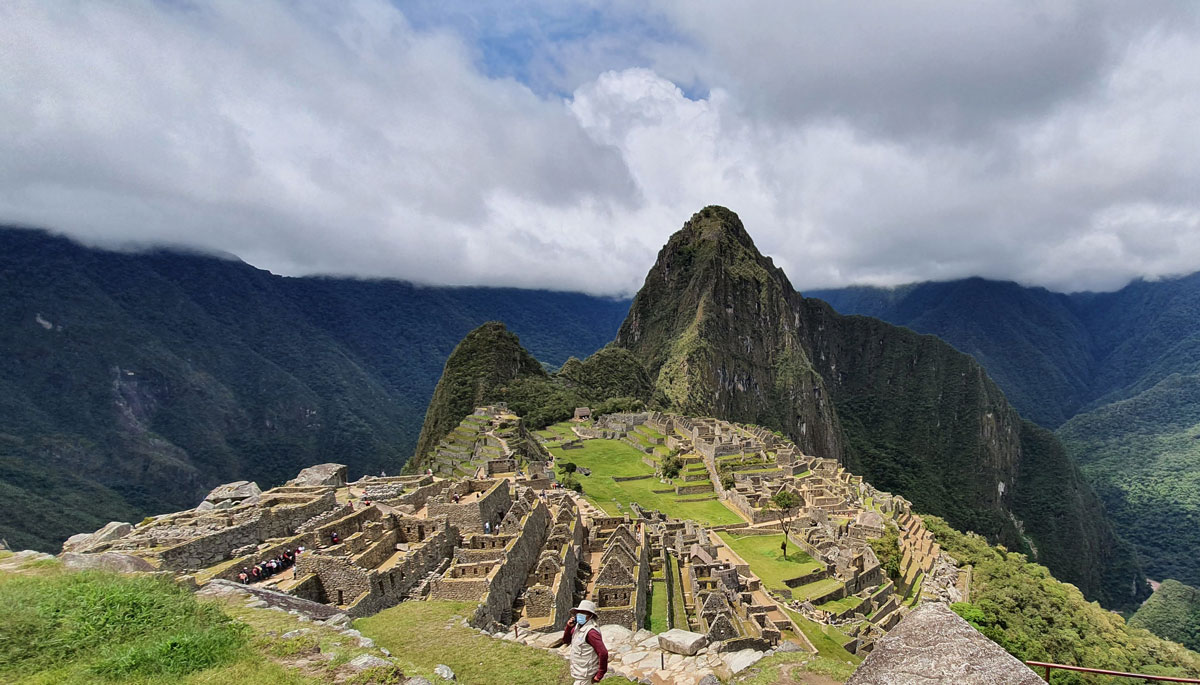
Machu Picchu Elevation
According to the geographical regions of Peru, Machu Picchu is located between the Suni and Quechua regions, with an elevation ranging from 2,300 to 2,500 meters above sea level. The elevation places Machu Picchu in the subtropical zone of the Interadean Valley region.

Altitude of the Machu Picchu Mountains
The risk of experiencing AMS (altitude sickness) symptoms increases significantly when climbing the peaks that surround the citadel. These are the areas where non-acclimated visitors are most likely to feel the effects of the elevation:
-
Huayna Picchu Mountain Altitude
The "Young Mountain", as the locals call it, is one of the two peaks that rise above the citadel of Machu Picchu. This peak reaches 2,701 meters above sea level. The vertical climb and physical effort combined with this altitude are the main trigger for AMS for many visitors. It is 271 m higher than the Machu Picchu citadel, at an altitude of 2440 m. -
Machu Picchu Mountain Altitude
This is the highest of the optional peaks, reaching 3,082 meters above sea level. The climb, which is longer and more extended, demands excellent physical condition and full altitude adaptation to be completed safely. The stunning background landscape of Huayna Picchu is not lost when climbing this impressive mountain, while from the latter you only get a direct view of the Inca city. With a slope of between 30 and 50 degrees, it is not as steep as its younger brother, Huayna Picchu.
Altitude of Machu Picchu and Cusco
Therefore, travelers should be cauptious upon arrival in Cusco, the gateway to trek Machu Picchu. The imperial city of Cusco has a height of 3,399 m.s., which is significantly higher than Machu Picchu. Upon your arrival in Cusco, especially if you have flown directly from Lima (at sea level), in a rapid ascent (1 hour), you should take the recommendations to acclimatize.
Newcomers usually want to move from Cusco to the villages of the Sacred Valley of the Incas. These cities are slightly at lower altitudes, so they offer a milder form of acclimatization, before returning to Cusco. Once you have acclimatized in Cusco or in the Sacred Valley, you should not have problems with the altitude of Cusco Machu Picchu. You may still feel out of breath as you travel the site, but the risk of altitude sickness will be reduced.
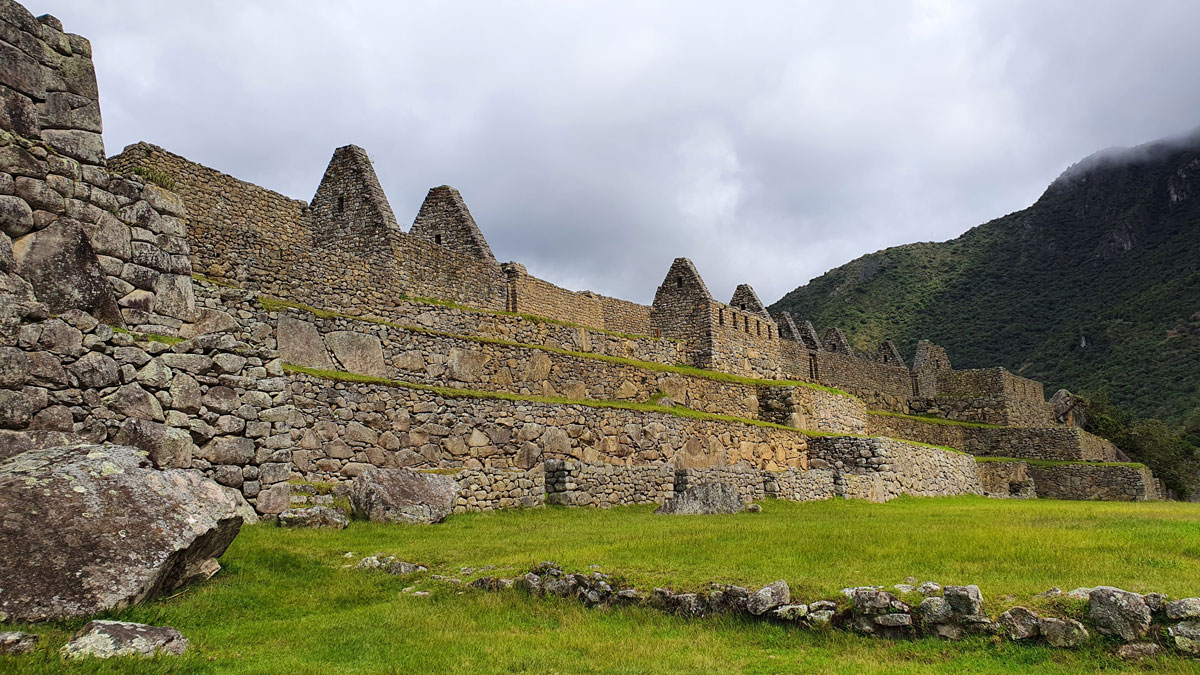
Altitude on the Inca Trail Trek
When one is at high altitudes, in general, above 2,400 m / 7,874 ft there is a reduction in atmospheric pressure and oxygen levels.
The problem of height, for the body, is the shortage of oxygen in Inca Trail Peru. As you go higher, the air becomes scarcer. The highest point on the Inca Trail 4 days is 4,200 m. at this altitude the atmospheric pressure is a little more than half the value at sea level, in the Salkantay tour which is 4,650 m., the problem is greater. The heart and the lungs have to work twice as much to supply oxygen to the tissues.
What to do to avoid altitude sickness in tour Machu Picchu?
Travelers who want to know Machu Picchu without any inconvenience, have the option of moving from Cusco to other nearby cities of the Sacred Valley and stay in some of the towns such as Ollantaytambo, Pisaq or Urubamba which are at slightly lower altitudes than those of Cusco and Machu Picchu. Staying about 24 hours in these places provides visitors with a smoother form of acclimatization before returning to Cusco or continuing the great Machu Picchu tour package.
When in deep breathing, sleep is an important time for body adaptation, but avoid sleeping pills and alcohol both affect your breathing while you sleep.
Keep in mind other effects of height during Machu Picchu travel. Some people, especially women, experience swelling in the hands, face and ankles. For what is recommended, avoid wearing tight jewelry and contact lenses.
Coca leaves have been used in the Andes for thousands of years, and are an important part of the high Andean culture. It was one of the most important food sources for the population that has lived and lives in the Andes.
It should be noted that it is not a hallucinogenic drug, the coca leaf, it has proteins, vitamins and minerals, which make it an excellent nutritious option with medicinal properties, well recognized and proven. Therefore, its analgesic effect helps to diminish, the symptoms of height, such as headache and fatigue.
Hiking tours to Machu Picchu
Many are the routes that take you to Machu Picchu, but none is like the Inca Trail Tours, the most famous pedestrian path in the Americas. After flying from the capital of Perú, Lima, you will arrive in Cusco to walk for four days along a path through forests and dense fog, millenary stone steps and discovering the ruins of ancient fortifications and Inca cities, and all the time enjoying majestic views.
- Salkantay Trek
- 5 Days Inca Trail
- Inca Quarry Trail 4 Days
- 2 Day Inca Trail Tour
- 2 Day Inca Trail with Camping
- 3 Day Inca Trail
- Vilcabamba Hike to Machu Picchu 6 days
- Choquequirao trek to Machu Picchu 9 days
- Ausangate trek 7 days
If you want to visit Machu Picchu, we recommend you to book your Machu Picchu Ticket in advance, so you will enjoy your Vacation in Machu Picchu without any problem.
When is the best time to hike to Machu Picchu?
The best season is during the dry season, which covers the months April to the end of September. In October the rains begin and you can find Machu Picchu covered by clouds. If you travel in June, we recommend you to book the Inti Raymi 2026 Tour that takes place in June 24th, and also hike the Palcoyo Mountain Tour, which is an incredible Rainbow Mountain located in the Andes.