
When planning a trip to Machu Picchu, the most important factor to consider is the region's altitude. Although the Inca citadel is located at 2,430 meters above sea level, most travelers must first pass through the city of Cusco (3,399 masl), where the risk of altitude sickness (soroche) is significant. Soroche is a health challenge that can affect the traveler's experience.
Altitude sickness is a result of exposure to altitudes higher than 2,400 meters; at this elevation, the air is less dense. Although the percentage of oxygen stays constant, each breath provides fewer oxygen molecules, which is known as hypoxia (where the body tries to make up for this deficit by increasing the heart rate and breathing). This difficulty and fatigue are the first sign that the body is adapting to the amazing natural environment of the Andes.
While prevention through gradual acclimatization is the best approach, soroche can appear even with precautions. This guide focuses on the later stage: How to relieve altitude sickness. Below, we will learn about the common symptoms, the traditional Andean remedies (such as the coca leaf), and the practical steps (hydration, rest, and medication) that should be taken to reduce discomfort and ensure that the body's adaptation is completed without problems.
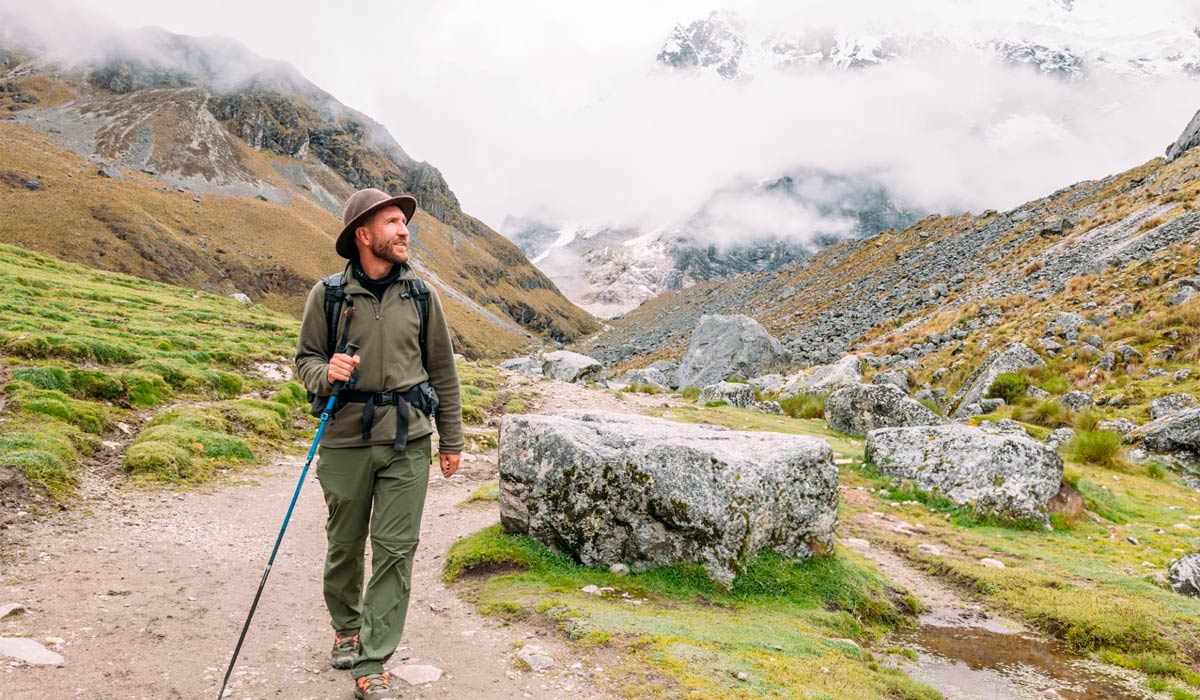
Symptoms of Altitude Sickness
The symptoms are variable according to the person. In some individuals the symptoms do not manifest themselves, in others they take a few days, but they can also manifest a few hours after ascending or feeling the symptoms briefly, the only way to know is to try a trip to the heights, and those symptoms are:
- Headache
- Dizziness
- Fatigue
- Physical exhaustion
- Agitation
- Sleep disorder
- Digestive disorders
- Lack of appetite
- Nausea or vomiting
- Pulmonary edema
- Cerebral edema
How can altitude sickness affect you on your trip to Machu Picchu?
If you were born in places close to sea level and lived there all your life, you will feel an ideal candidate for altitude sickness (although, again, you can never really predict). It is possible, if it is your first time in Cusco, that you feel headaches, nausea or discomfort. They are some of the symptoms of altitude sickness and then we will tell you how to avoid them. For the second time, remember that altitude sickness is not something that should be taken lightly and that has caused some deaths in Cusco. In all cases, to people who did not pay enough attention. Nor will you like to spend your incredible vacation to one of the wonders of the world, in a hospital.
Remedies for altitude sickness
Once the symptoms of altitude sickness (soroche) show up, the priority is to reduce the discomfort and support the body in its process of adapting to hypoxia. For this, travelers have a combination of effective treatments that are divided between pharmaceutical intervention (preventive or symptomatic medications) and ancient Andean methods. It is important to know both approaches, since using them together can greatly reduce the symptoms and make the acclimatization process easier. Below, the most common and recommended remedies are detailed:
-
Altitude sickness pills
To prevent altitude sickness it is recommended to take Sorojchi Pills one hour before reaching altitude, and continue taking one capsule every eight hours during your stay. It can also be taken as soon as the effects of height are felt, to alleviate the aforementioned symptoms.
Do not consume the altitude sickness pills, people with hypersensitivity to one of the components of the formula. Also people with coagulation disorders, gastric hemorrhage and gastritis.
Do not administer in alcoholic patients, in diabetic patients, in hypertensive patients or with reduced renal, cardiac or hepatic function.
-
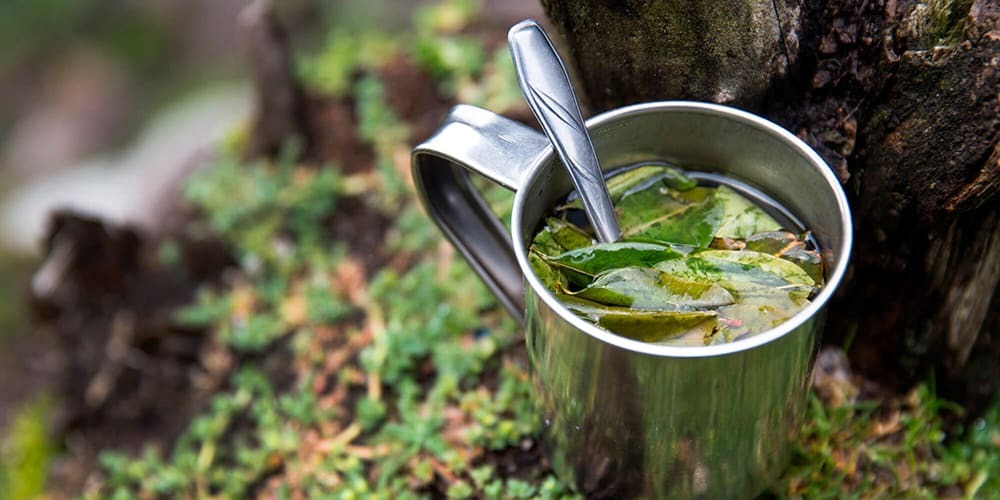
Drink Coca and Muña Tea
These leaves have been used since Inca times and have helped people cope with the altitude ever since. You can chew coca leaves or rub muña in your hands and smell it, but a popular way to enjoy them is in a herbal tea.
-
Other altitude sickness pills
The drugs that would avoid this condition are the carbonic anhydrase inhibitors (acetazolamide, methazolamide); steroids (prednisolone and betamethasone) bronchodilators (salmeterol, poxillin and montelukast); inhibitors of phosphodiesterase type 5 (sildenafil) calcium modulators (nifedipine and flunarizine) and non-steroidal anti-inflammatory drugs (aspirin, carbamate and ibuprofen).
Some of these medications can be found without a prescription but the recommended thing is always to talk to the treating doctor when the person knows that he will be exposed to heights above 2500 meters.
For this the patient must bear in mind that there are three main conditions that can generate the condition: ascend quickly in two to three hours over 2500 meters; be a person who lives under 900 meters and travels to a place above the stipulated height; and predisposing factors such as asthma or cardiovascular problems.
Best Tours to Machu Picchu
Many are the routes that take you to Machu Picchu, but none is like the Inca Trail Tours, the most famous pedestrian path in the Americas. After flying from the capital of Perú, Lima, you will arrive in Cusco to walk for four days along a path through forests and dense fog, millenary stone steps and discovering the ruins of ancient fortifications and Inca cities, and all the time enjoying majestic views.
- Salkantay Trek to Machu Picchu 5 days
- Hiking the Inca Trail to Machu Picchu 5 days
- Inca Quarry Trail 4 Days
- 2 Day Inca Trail Tour
- 2 Day Inca Trail with Camping
- 3 Day Inca Trail
- Vilcabamba Hike to Machu Picchu 6 days
- Choquequirao trek to Machu Picchu 9 days
- Ausangate trek 7 days
If you want to visit Machu Picchu, we recommend you to book your Machu Picchu Ticket in advance, so you will enjoy your Vacation in Machu Picchu without any problem.
When is the best time to hike to Machu Picchu?
The best season is during the dry season, which covers the months April to the end of September. In October the rains begin and you can find Machu Picchu covered by clouds. If you travel in June, we recommend you to book the Inti Raymi 2026 Tour that takes place in June 24th, and also hike the Palcoyo Mountain Tour, which is an incredible Rainbow Mountain located in the Andes.


