
The Inca Trail to Machu Picchu is, without a doubt, one of the most popular and desired hiking routes in the world. However, it is also one of the most demanding due to its Andean geography. For those who wonder: how high is inca trail, the answer defines the logistics of the entire trip: the path has an average elevation gain of 1,000 meters (3,280 feet) and a maximum altitude that reaches 4,215 meters (13,828 feet).
The inca trail elevation is not a factor that should be taken lightly; the constant climb requires physical and mental preparation. The journey is not only for the most daring, but the reward of walking among clouds and ancient ruins is magnificent. If you are thinking about walking this route, it is vital to be prepared for the inca trail altitude, the technical difficulty of the terrain, and the changing weather of the mountains.
As experts in the region, we offer tours of the Inca Trail to Machu Picchu, and we also have field knowledge updated to this 2026 and want to share it with our visitors so that your only worry is enjoying the landscape.
Key elevation facts
- Starting point (Km 82): 2,720 masl (8,923 feet).
- Highest point (Warmiwañusca): 4,215 masl (13,828 feet).
- Arrival at Machu Picchu: 2,430 masl (7,972 feet).
- Total elevation gain: The route involves constant climbs and descents, which tests cardiovascular endurance.
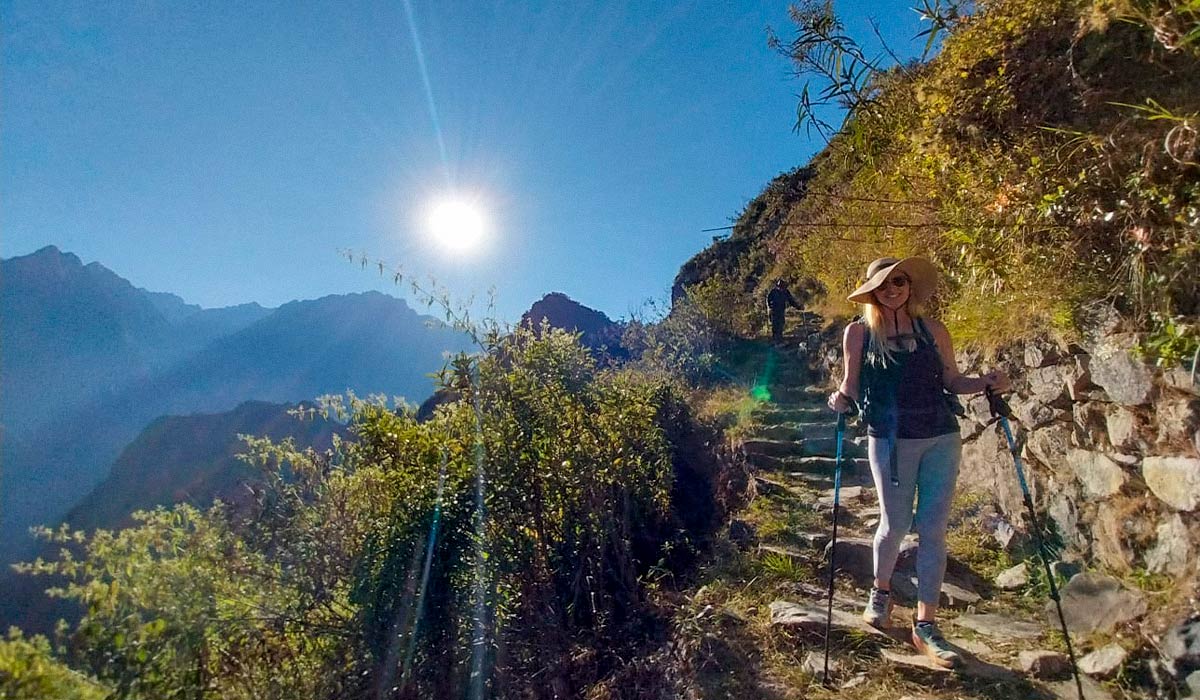
The altitude of the Inca Trail
The altitude of the Inca Trail can be a challenge for some people. The highest point on the trail is 4,215 meters (13,828 feet), almost twice the height of Cusco, the largest city in the region. The air is much thinner at this altitude and some people may experience shortness of breath, fatigue, headaches or even nausea.
Taking some time and acclimatising before starting the Inca Trail is essential if you are not used to high altitudes. There are a few ways to do this, such as spending a few days in Cusco (3400 metres/11,200 feet) to get used to the altitude before starting the trek. You can also take it easy on the first or second day of the trek and go slowly to help your body adapt. If you start to feel any symptoms of altitude sickness, it is vital to descend immediately and seek medical attention most people experience mild symptoms that disappear over time, but altitude sickness can cause complications in rare cases.
Campsites on the Inca Trail and their altitude:
- Km 82, start of the Inca Trail at 2718 m/8924 ft
- Wayllambamba, the first campsite located at 3000 m / 9842 ft
- Ayapata preferred campsite on day 1, located at 3300 m/ 10826 ft
- Lluluchapampa, the first rest stop on day 2, located at 3800 m/10829 ft
- Pacaymayo Alto, Second campsite located at 3600 m/11811 ft
- Chaquicocha, Preferred campsite on day 2, located at 3600 m/ 11811 ft
- Phuyupatamarca, the 3rd campsite, located at 3650 m/11975 ft
- Winaywayna, the preferred campsite on day 3, located at 2600 m/8530 ft
- Puente Ruinas, the last one Camp on 5-day tours, located at 2000 m/6561 ft
Mountains on the Inca Trail:
- Dead Woman's Pass, the highest point on the Inca Trail at 4215 m/13828 ft.
- Runkurakay Pass, the second highest mountain on the Inca Trail at 4000 m/13123 ft
- Veronica Mountain is the highest mountain in the Vilcanota Mountain Range, at 5,893 m/19,334 ft.
- Salkantay Mountain is the highest mountain in the Vilcabamba Mountain Range at 6,271 m/20,574 ft.
- Pumasillo Mountain, visible from Machu Picchu, at 5,991 m/19,656 ft.
- Machu Picchu Mountain, the highest mountain in the area at Machu Picchu, at 3082 m/10111 ft.
- Huayna Picchu Mountain, the most beautiful mountain, at 2693 m/8835 ft.
Archaeological sites on the Inca Trail
- Salapunku, located at 2720 mt/8923 ft
- Kanabamba, located at 2625 m/8615 ft
- Wilkarakay, located at 2,650 m/8,694 ft
- Patallacta, located at 2614 m/8576 ft
- Wayllabamba, located at 3000 m / 9842 ft
- Runkuracay, located at 3950 m/12959 ft
- Sayacmarca, located at 3600 m/ 11811 ft
- Concharmarca, located at 3550 m/ 11646 ft
- Phuyupatamarca, located at 3650 m/11975 ft
- Intipata, located at 2840 m/9317 ft
- Winaywayna, located at 2600 m/8530 feet
- Sungate, located at 2700 m/ 8858 feet
- Machu Picchu, located at 2430 m/7972 feet
What to do before the Inca Trail?
Preparing for the Inca Trail to Machu Picchu requires a smart strategy that combines training, logistics, and acclimatization. Do not underestimate the Andean geography; here we tell you how to prepare:
- Get in shape: The Inca Trail is no joke. It is 42 kilometers long and includes more than 4,000 stone steps. You will walk for at least 4 days on steep slopes, so make sure to do cardiovascular and endurance training weeks before your arrival.
- Acclimatization: Before starting, you must consider the Cusco altitude (3,399 masl). Arriving in the city at least 2 or 3 days before your hike is vital. An excellent way to acclimatize the body without getting exhausted is taking a Cusco City Tour, which will allow you to walk short stretches through historical sites while your system adapts to the lower oxygen level.
- Buy the right gear: You will need specialized hiking footwear (already used previously to avoid blisters), a good quality raincoat, an ergonomic backpack, and layers of thermal clothing. Do not wait until the last minute; make sure to test all your gear before the trip.
- Book your spot and get your permits: Because it is one of the most famous routes in the world, permits are limited and sell out months in advance. In this 2026, demand remains very high, so you must start the booking and permit process as soon as you define your travel date.
- Learn some Spanish: During the route, you will share time with porters and local staff who are the support of the trail. Learning basic phrases will help you connect with them and will significantly enrich your cultural experience.
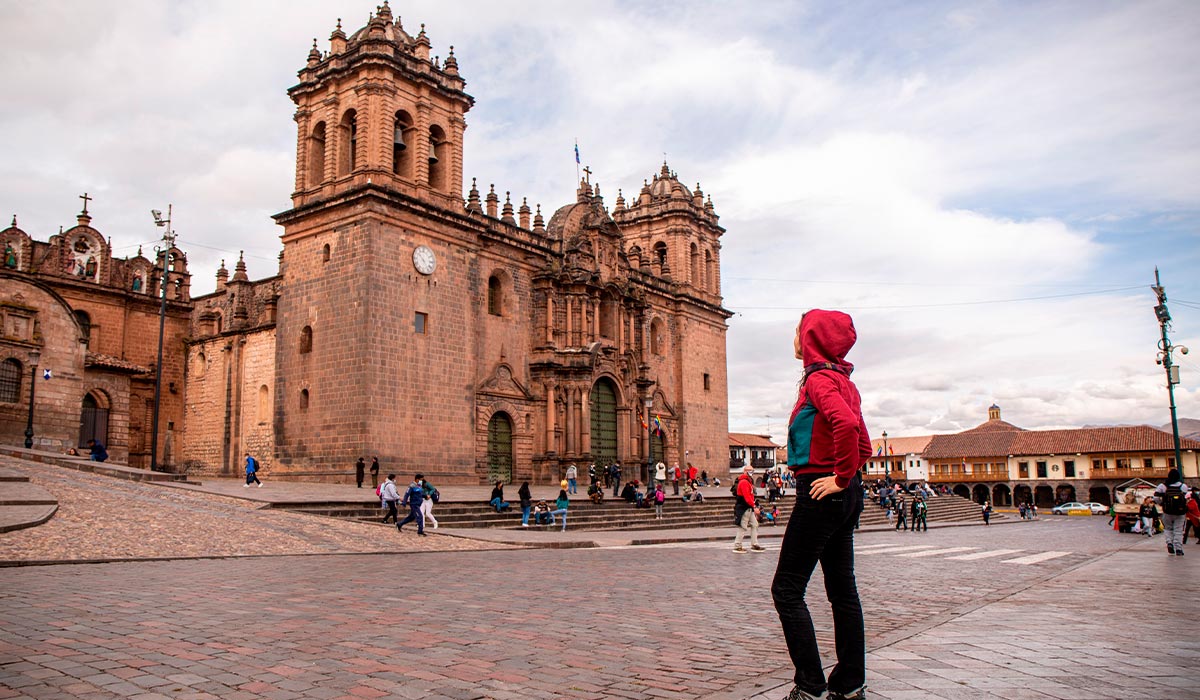
City Tour Cusco
What to do during the Inca Trail?
Once your boots touch the path, the key to success is discipline and respect for the environment. Here are the rules to enjoy every kilometer:
- Follow the guide's instructions at all times: Our guides are trained to manage safety regarding the "inca trail altitude" and know the terrain perfectly. Their decisions about the pace and breaks are vital for the group's well-being.
- Travel light, but with the essentials: Every gram counts when you face the "inca trail elevation." Make sure to carry in your daypack only what is necessary: sunscreen, a hat, drinking water, energy snacks (like nuts or chocolate), and a waterproof jacket.
- Take it easy: It is not a race. Make sure to take your time to breathe and enjoy the scenery. Walking at a steady and slow pace is the best strategy to avoid getting tired too soon.
- Constant hydration: Drink plenty of water during the day, even if you do not feel thirsty. Hydration is your best defense against the effects of the inca trail altitude.
- Managing needs: Use the restrooms at the campsites or authorized points before starting each section of the hike, as facilities are limited along the way.
- Do not leave the path: For your safety and to protect the Historical Sanctuary, it is strictly forbidden to wander off the marked trails. Help us preserve the archaeological heritage.
- The end of the Path: Once in Machu Picchu, relax and enjoy your time in one of the most iconic archaeological sites in the world.
What to do after the Inca Trail Hike?
Completing the hike along the Inca Trail to Machu Picchu is an extraordinary physical and mental achievement. To make the return to routine pleasant, it is fundamental to follow these recovery tips:
- Prioritize total rest: Take a day or two to rest and relax in Aguas Calientes, Cusco or in the Sacred Valley. This will allow your heart rate to normalize and your muscle fibers to repair after the strenuous hike.
- Recovery hydration: Drink plenty of liquids, especially water and drinks with electrolytes. The altitude and physical effort dehydrate the body more than we realize, so replacing fluids is key to avoiding persistent fatigue.
- Repairing nutrition: Eat healthy foods rich in protein and complex carbohydrates. Cusco's gastronomy offers excellent options like quinoa and lean meats that will help your body recover the lost energy.
- Gentle mobility: Stretch and do some light exercises or short walks around the city. This will help your muscles eliminate lactic acid and will prevent excessive stiffness in your legs.
- Listen to your body: If you have unusual discomfort or persistent pain that does not go away with rest, seek medical attention if necessary at specialized centers in Cusco.
- Continue the adventure (calmly): After 1 or 2 days of relaxation, your body will be ready for new challenges. You can take the chance to explore other places of unique natural beauty, like the Rainbow Mountain or the Red Valley tour, which offer impressive chromatic landscapes.
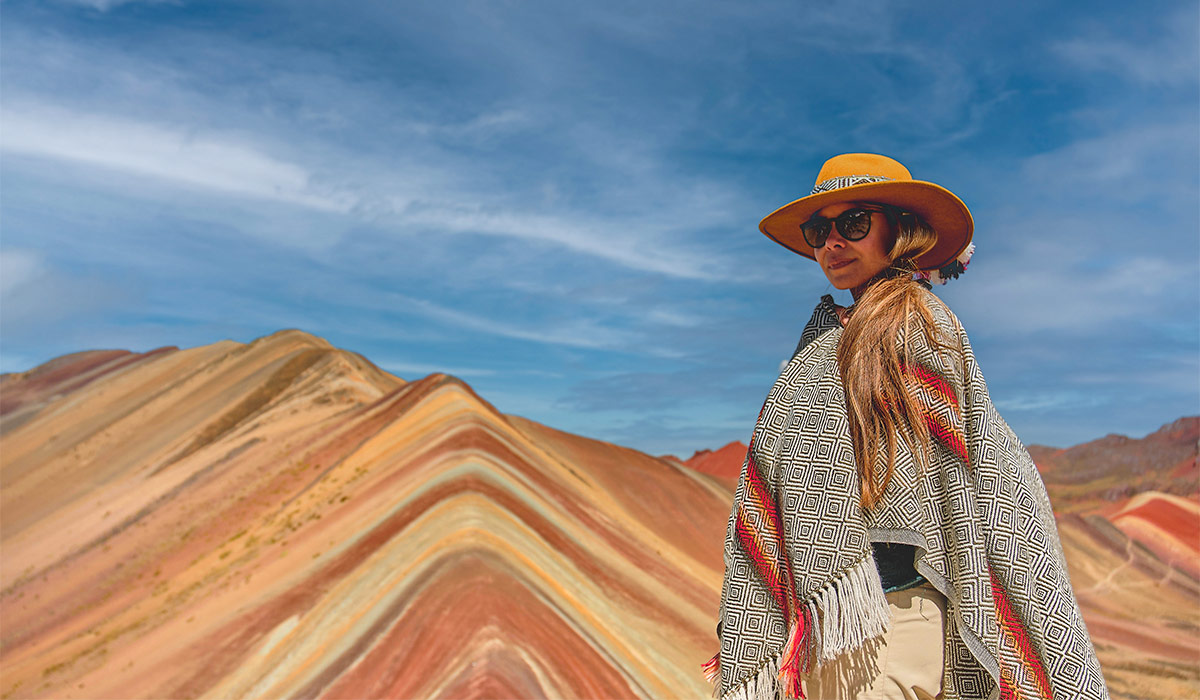
Mountain of Seven Colors (Rainbow Mountain)
Hiking tours to Machu Picchu
Many are the routes that take you to Machu Picchu, but none is like the Inca Trail Tours, the most famous pedestrian path in the Americas. After flying from the capital of Perú, Lima, you will arrive in Cusco to walk for four days along a path through forests and dense fog, millenary stone steps and discovering the ruins of ancient fortifications and Inca cities, and all the time enjoying majestic views.
- Salkantay Trek 5 days
- 5 Day Inca Trail
- Inca Quarry Trail 4 Days
- 2 Day Inca Trail Tour
- 2 Day Inca Trail with Camping
- 3 Day Inca Trail
- Vilcabamba Hike to Machu Picchu 6 days
- Choquequirao trek to Machu Picchu 9 days
- Ausangate trek 7 days
If you want to visit Machu Picchu, we recommend you to book your Machu Picchu Ticket in advance, so you will enjoy your Vacation in Machu Picchu without any problem.


