
Every day, thousands of people from all over the world arrive at the town of Aguas Calientes. They are looking for one of the 7 wonders of the world. Machu Picchu. This mix of cultures, nationalities, and religions has made this small corner one of the most diverse places in Peru. It's important to know that this is one of the best places to see the landscapes of Peru. The people here are very friendly, and they make all visitors feel welcome.
Aguas Calientes has about 3,400 inhabitants and a constant flow of tourists. It is the main urban and commercial centre of the area. It is also the only access point on the route to visit the Inca citadel of Machu Picchu. So, whether you arrive after finishing the famous Inca Trail in Peru or after a comfortable train trip, this place will welcome you and offer you everything from hotels, restaurants and craft markets to its famous thermal baths and other tourist attractions. All travellers exploring one of the best destinations in Peru must pass through here.
So, if you want to know this place better, join us and we will explore everything Aguas Calientes has to offer. We will look at where it is and how the climate and the jungle landscape will affect your trip. We will also show you the main tourist spots in the town, as well as the hot springs, and give you the important practical information you need to make sure your trip to Machu Picchu is perfect and without problems.
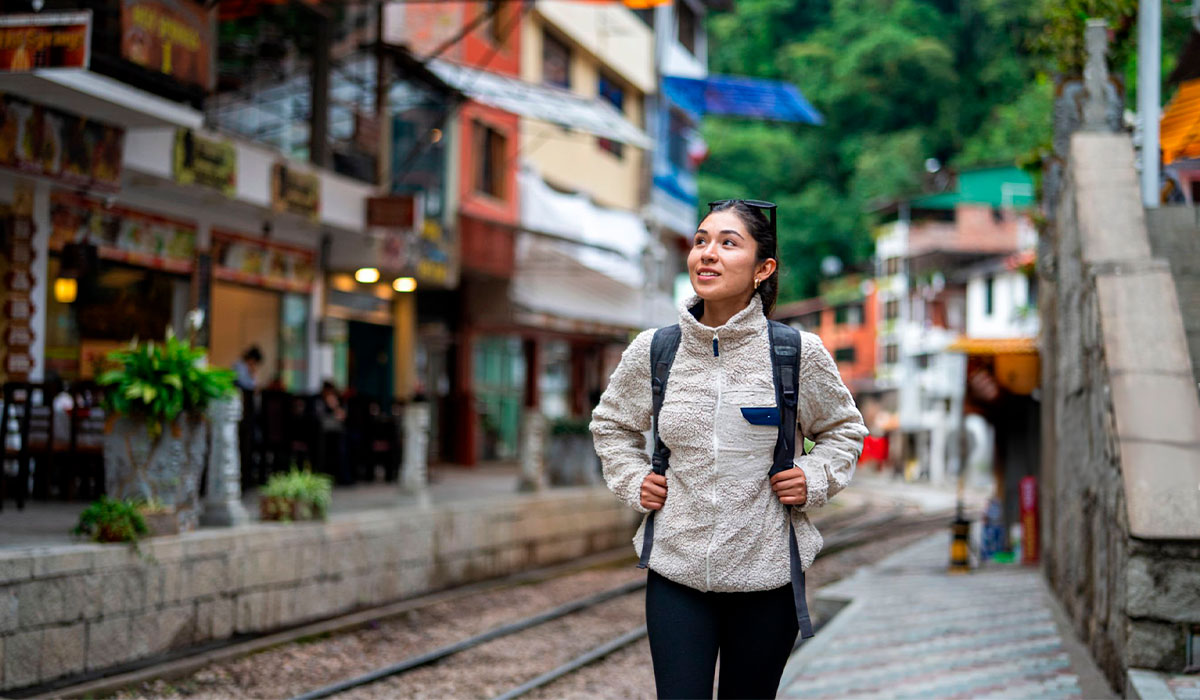
Where is Aguas Calientes?
Machupicchu town, also called Aguas Calientes, is a Peruvian town in the Urubamba province of the Cusco department. It is the capital of the district with the same name, where the District Municipality is based. It is the main road to the Historic Sanctuary of Machu Picchu.
Aguas Calientes is a small, international city located just below Machu Picchu. It is known as Machu Picchu town because it is close to the Inca City.
It is 112 km northwest of the city of Cuzco, in the Urubamba Valley, in the lower part of the Sacred Valley of the Incas. It is 6 kilometres away. You can walk there in about an hour and a half. It is next to the archaeological zone.
How high is the town of Aguas Calientes?
Aguas Calientes is 2,300 metres (6,692 feet) above sea level.
Tourists don't get altitude sickness at the altitude of Aguas Calientes.
What are the chances of getting altitude sickness in Aguas Calientes?
No! Aguas Calientes is only 2,040 metres above sea level, and effects of height are normally felt from 2,300 metres.
Machu Picchu is 2,430 metres high, Huayna Picchu is 2,693 metres high and Cusco is 3,399 metres high.
No matter what, if you're in a high place, you should walk more calmly than usual so you don't suffocate quickly.
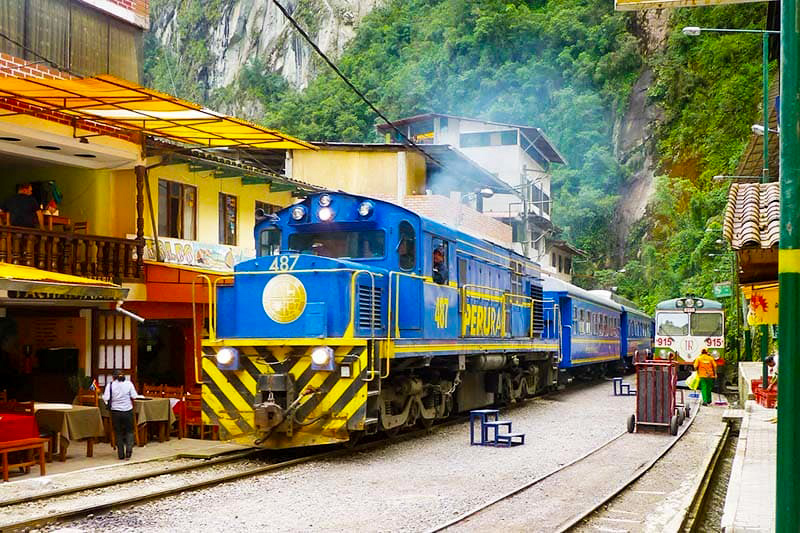
This is the story of Aguas Calientes
The railway first started being built in 1901. It was built to connect the towns of Cusco and Santa Ana in the province of La Convención. In 1928, the railway reached the Maquinachayoq camp area. This became the centre of operations for the project's machinery and heavy equipment. The railway workers settled around this area.
It was first settled by a few farming families, but in 1901 it became a railway workers' camp. This camp was called Campamento Maquinachayoq and it remained there until the late 1920s. This population was the main place where workers and their equipment stayed until the railway was finished in 1931.
The area has recently been declared one of the new seven wonders of the modern world (2007), celebrated the centennial of its scientific discovery (2011) and voted the world's first tourist destination (2013).
Geography
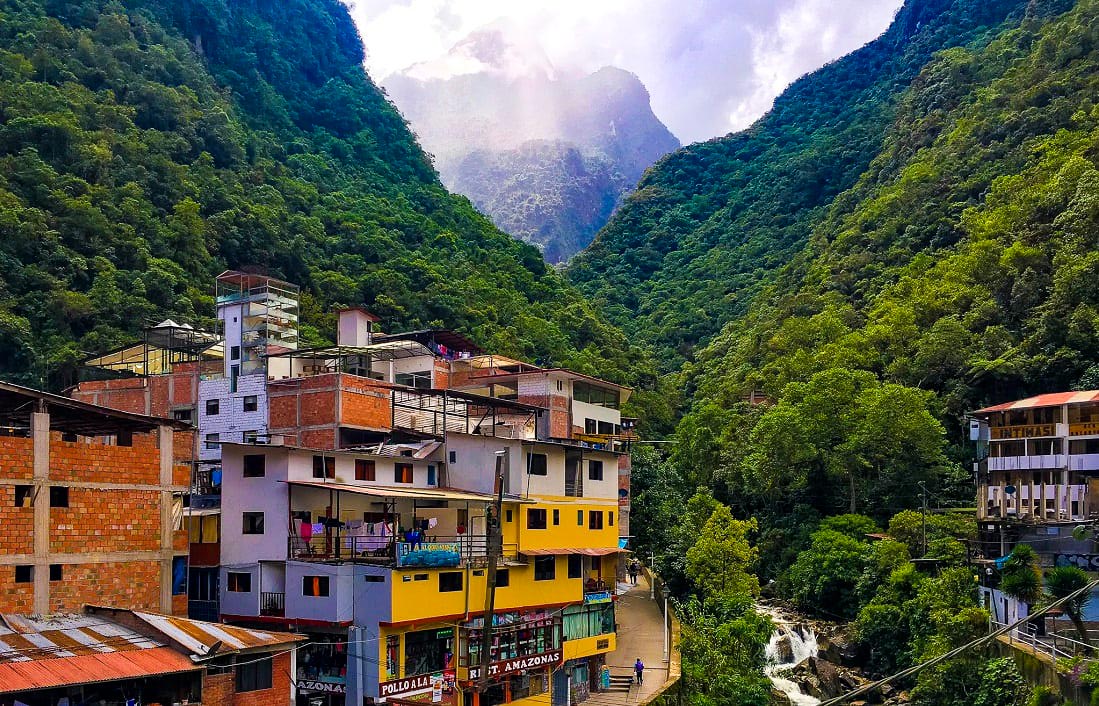
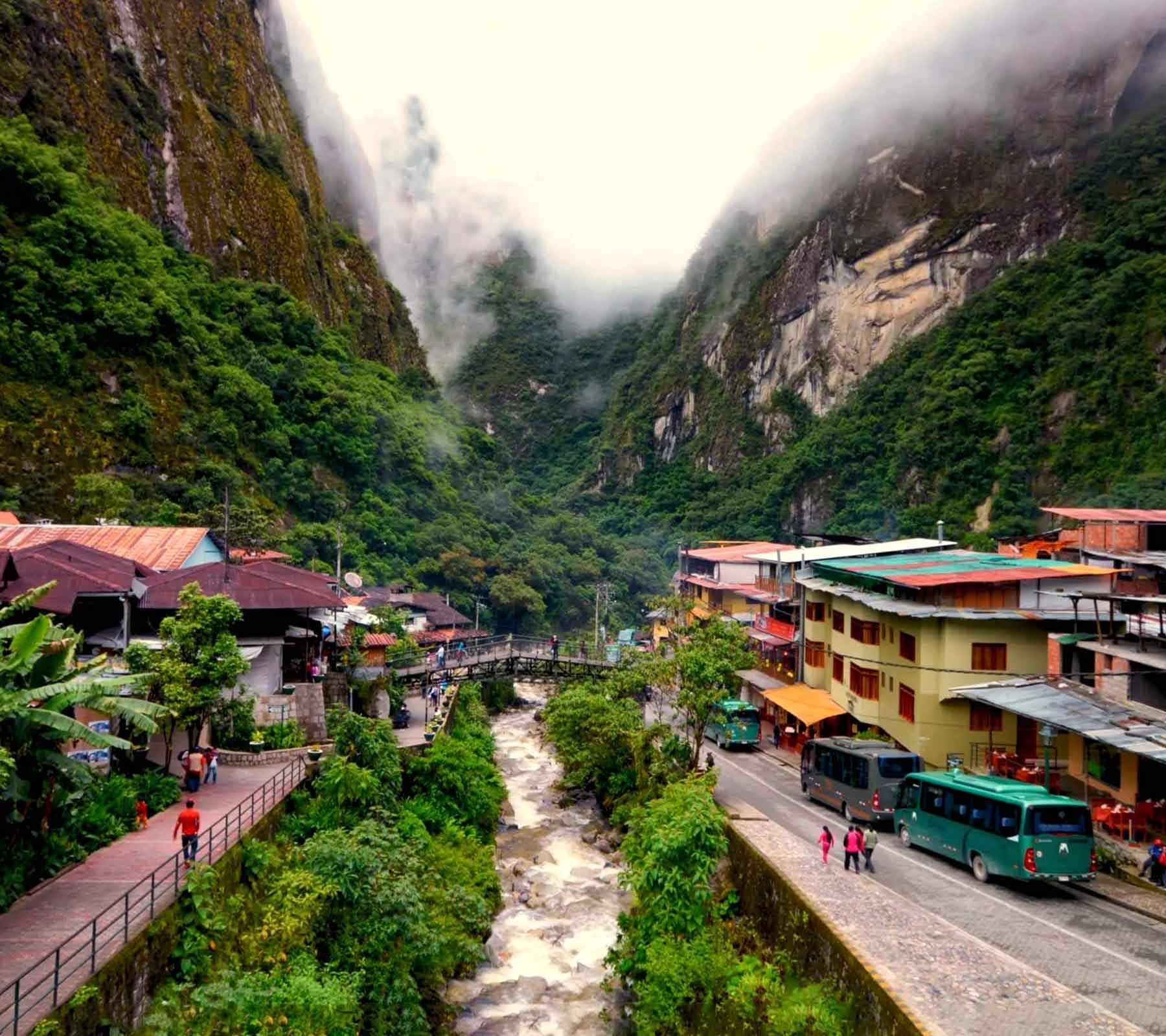
This is the Urubamba River and the town of Aguas Calientes, as seen from the path to Machu Picchu.
Machu Picchu town is in the jungle at an altitude of 2040 metres. The town is located on the banks of the Urubamba River, at the point where the Aguas Calientes and Alcamayo rivers meet. Machu Picchu is surrounded by granite mountains covered in lots of plants, which are typical of the area.
What is the weather like in Aguas Calientes?
The weather in Aguas Calientes, Peru is warm and wet most of the time. The average temperature is 16 °C (60.5 °F). The weather in Aguas Calientes, Peru, is mild all year. It rains heavily from November to March and is hot and dry from April to October, which is the best time to visit. The minimum temperature in the warmest month is between 8 °C and 11.2 °C. From June to August, the temperature can go below zero. The highest temperature in a year can vary from 20.4 °C to 26.6 °C.
The land is uneven, with many valleys and streams. These are fed by glaciers, which usually flow into the Urubamba River. This river crosses the area, forming a deep valley that extends through the granite base of Vilcabamba for more than 40 km. This valley is home to a variety of ecosystems.
Demography
The 2017 Peruvian Census recorded 4,525 people living in Machu Picchu town.
The population has access to public services of water, drainage and electric lighting. It also has a solid waste collection service every day.

Things to do in Aguas Calientes
It is 9 kilometres from the Historic Sanctuary of Machu Picchu, so it is the first place where tourists who visit the Inca city arrive.
The town has lots of hotels and other tourist facilities.
Maybe you are asking what to do in Aguas Calientes? The town's most popular tourist attractions are the thermal baths, which are 800 m from the town centre. People say that the baths have medicinal properties.
There are other tourist attractions nearby, such as the Mandor waterfall (3 km from the town, following the railway line in a northwesterly direction) and the Manuel Chávez Ballón Site Museum (on the road to the Historic Sanctuary of Machu Picchu, 2 km from the town). The town also has an artisan market next to the train station.
Here I will tell you what to do in Aguas Calientes and where to visit in the Machu Picchu Town and its surroundings:
Have fun and relax in the hot springs at Aguas Calientes.
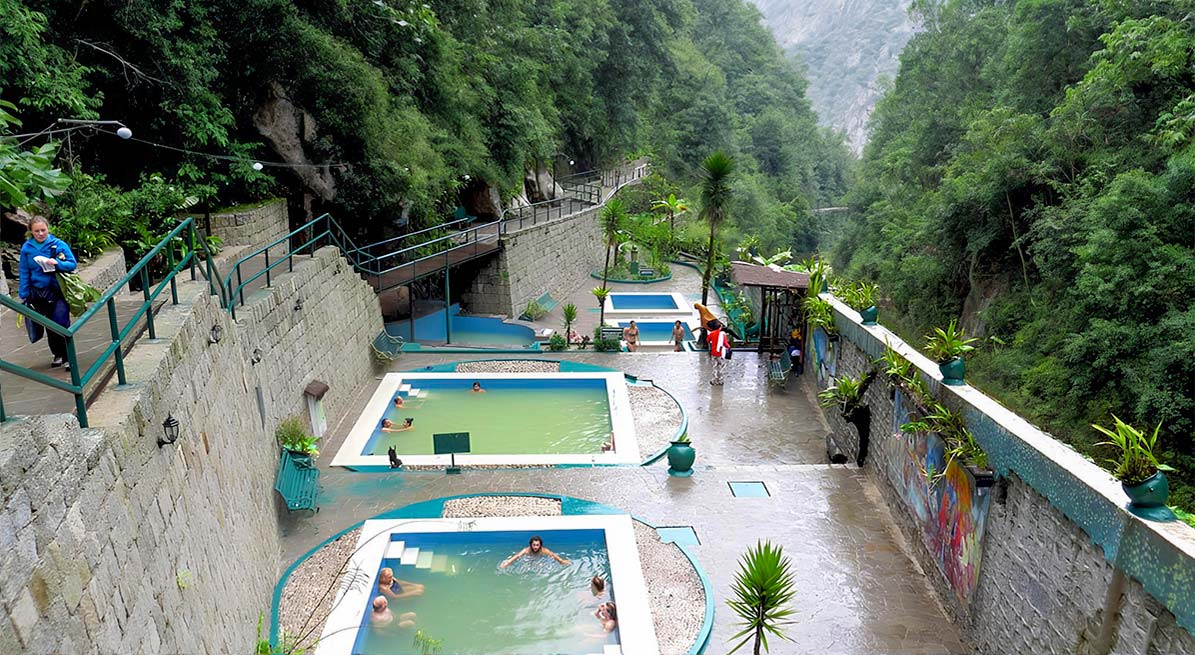
The town of Aguas Calientes (which means 'hot springs' in Spanish) is named after the hot springs there. The hot springs of Aguas Calientes are made up of five pools of sulphurous water. Many people think the water is dirty because of its yellow colour, but it is the sulphur that gives it that colour. The water is between 38°C and 46°C. The waters of the hot springs of Aguas Calientes are natural and come directly from various volcanic sources. They have numerous therapeutic properties.
It costs 20 soles to get in.
Hours: The shop is open from 5:00 a.m. to 8:00 p.m.
Come and visit the Mandor Gardens!
We walked for about 50 minutes through the wet forest, following the train tracks to Santa Teresa. We arrived at a beautiful green place called Jardines de Mandor, where it is said that Hiram Bingham may have started his expedition.
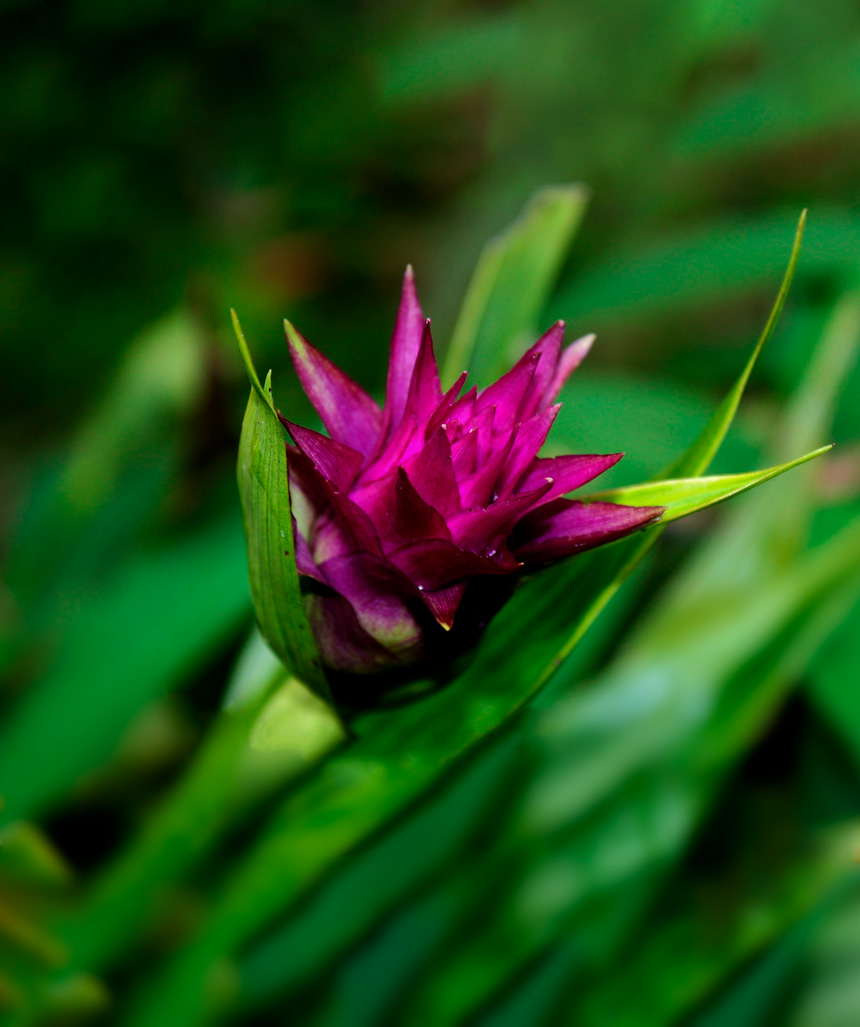
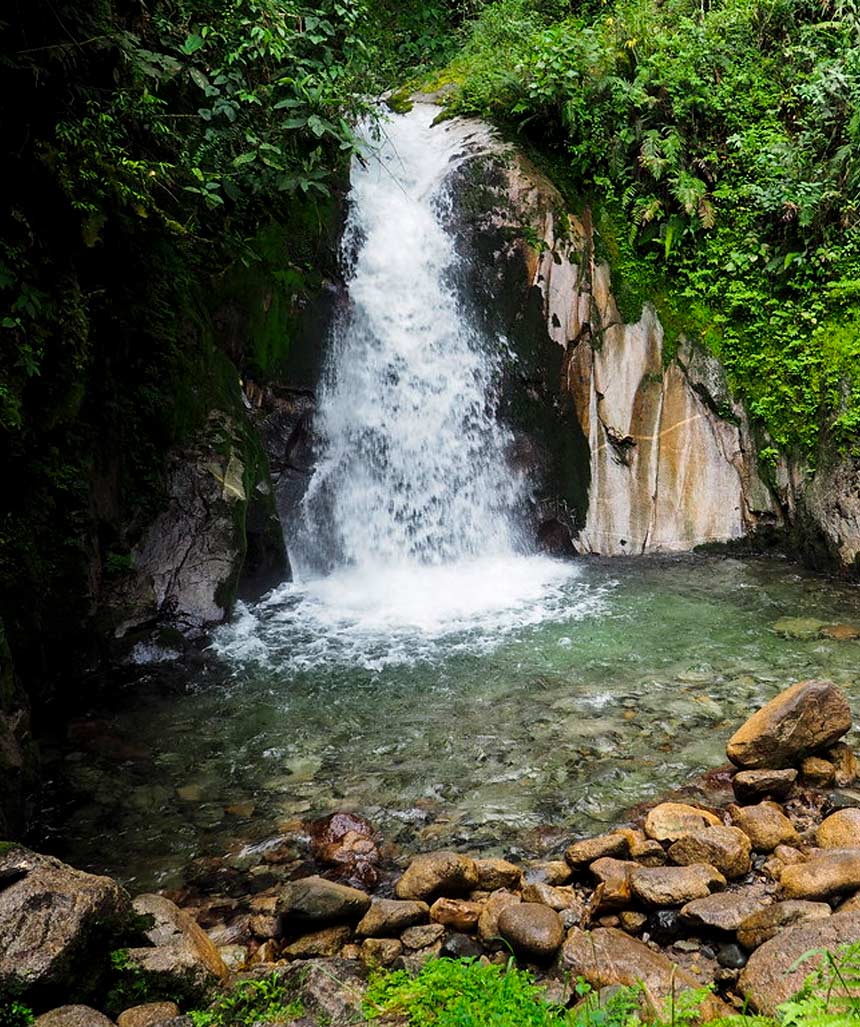
This nature reserve is a true paradise. You can walk around and admire the wild plants and animals. You will also be amazed by the huge waterfall.
It's also a great place for birdwatching, where you will find numerous orchids and hummingbirds, as well as the famous Peruvian national bird, the cock of the rocks (also called the cock of the mountains, cock of Peña Andino or Tunqui). If you like birdwatching, the best time to go is the dry season, which is from April to October.
It costs 10 soles to get in.
 |
 |
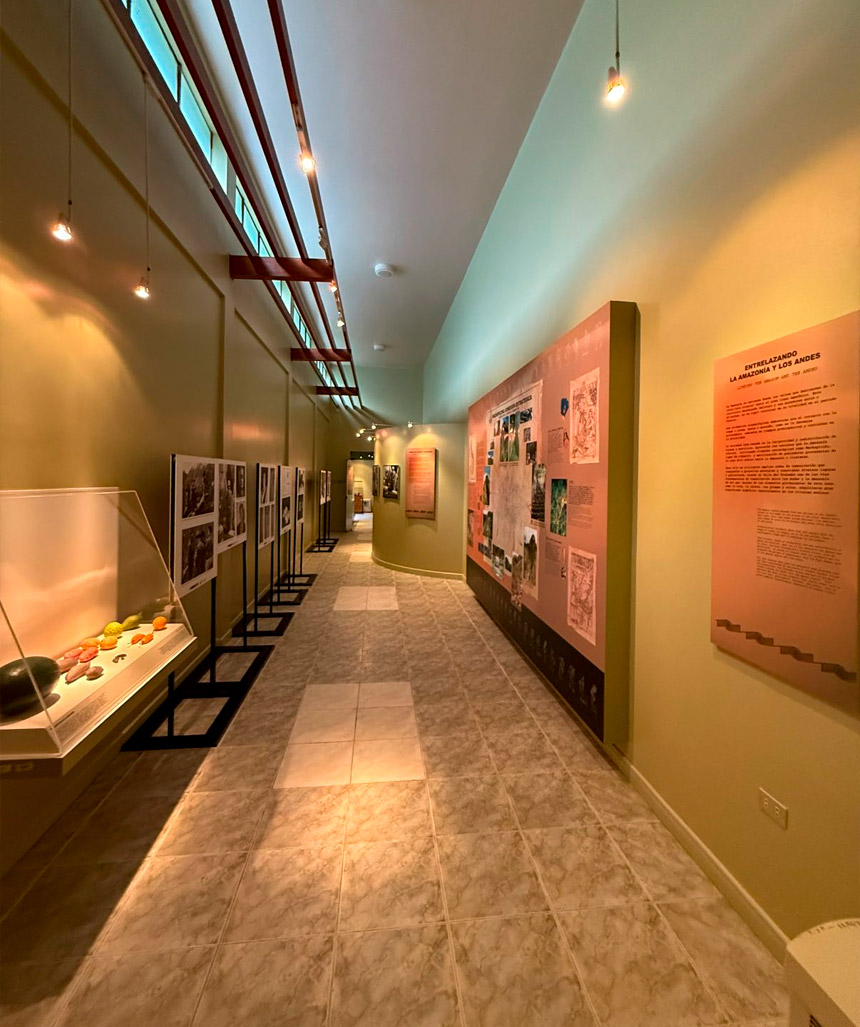
Come and visit the Machu Picchu Museum!
It has two exhibitions and a botanical garden:
There is an exhibition on the Inca remains found in Machu Picchu and the surrounding areas. The exhibition includes around 250 objects, such as ceramics, bronze and copper tools, skeletons and different objects used in Machu Picchu.
A display of Inca tools and materials used to build the citadel.
A botanical garden with more than 200 types of orchid, most of which can only be found in this area.
It is a very interesting visit, and even better if you go without a guide.
To get there, you have to take Hermanos Ayar Avenue from Hiram Bingham Road. It takes about 30 minutes to walk.
The entrance fee is 22 sols.
Hours: The shop is open from 9:00 a.m. to 4:30 p.m.
 |
 |
Look at lots of different types of butterflies.
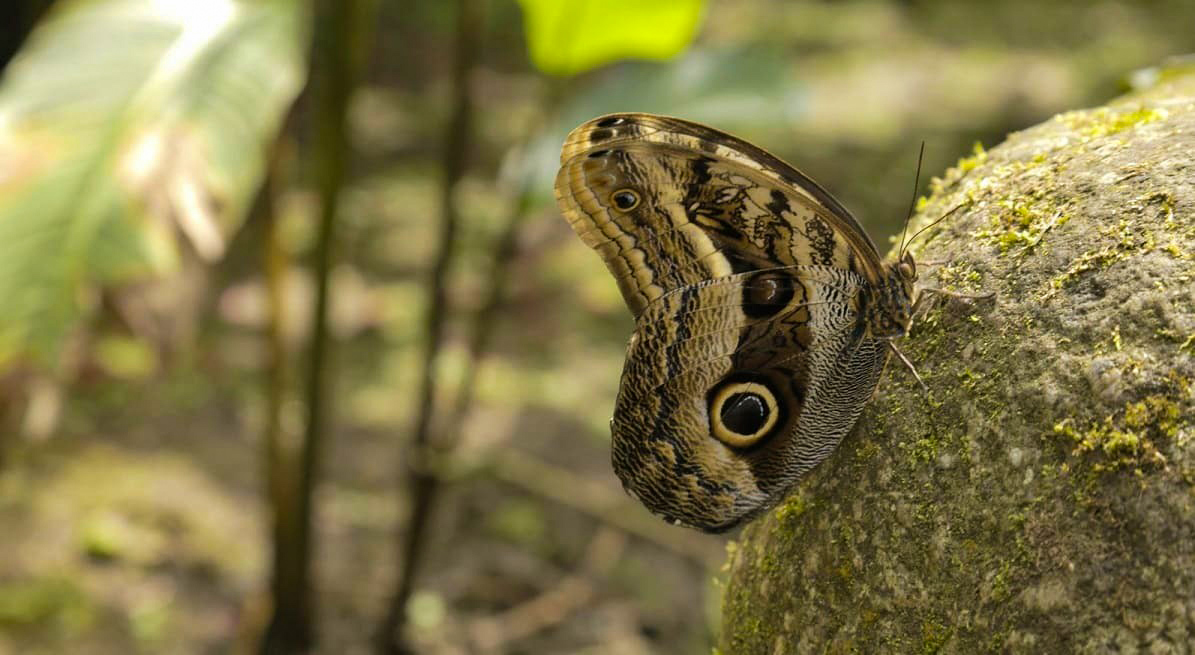
The Mariposario butterfly farm is a 25-minute walk from Aguas Calientes. It is on the bus route to Machu Picchu. It has an interesting collection of live butterflies at different stages of development.
The site is run by volunteers and aims to protect the 300 species of butterflies found in the area.
To get to the Butterfly Park, you need to walk to the municipal camp before the "Puente Ruinas" in the direction of Machu Picchu.
It costs 10 soles to get in.
Have a bath in a waterfall in the middle of nature
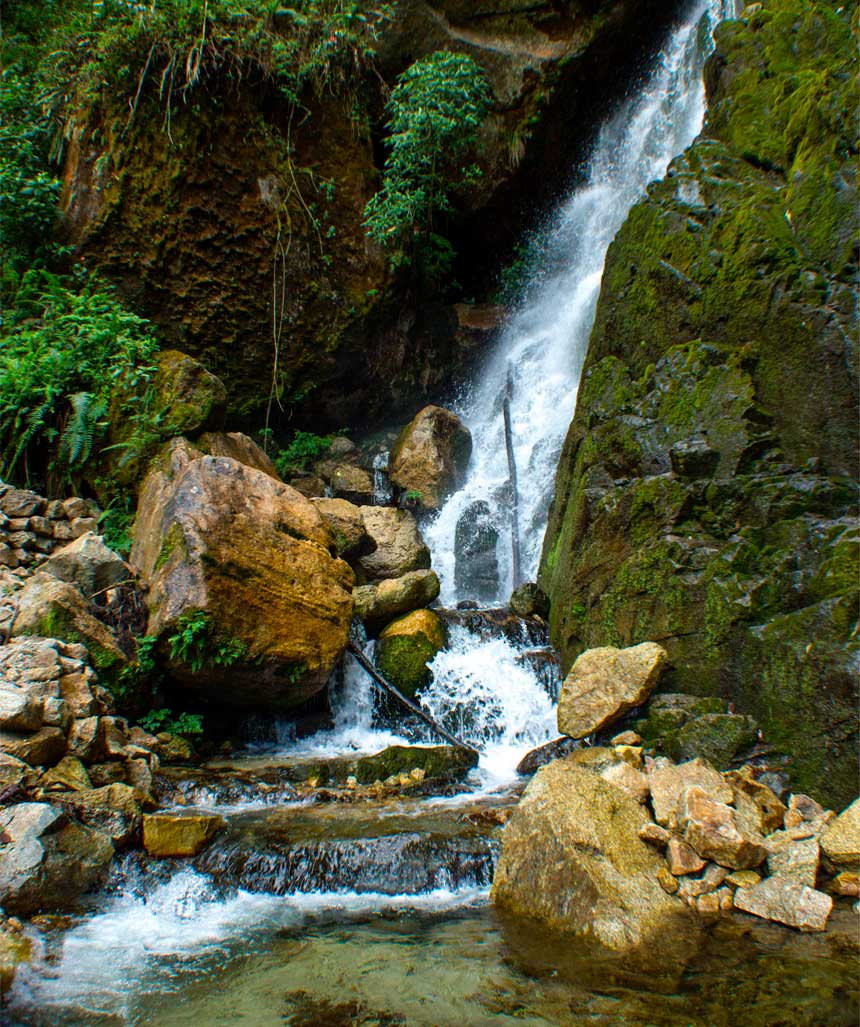
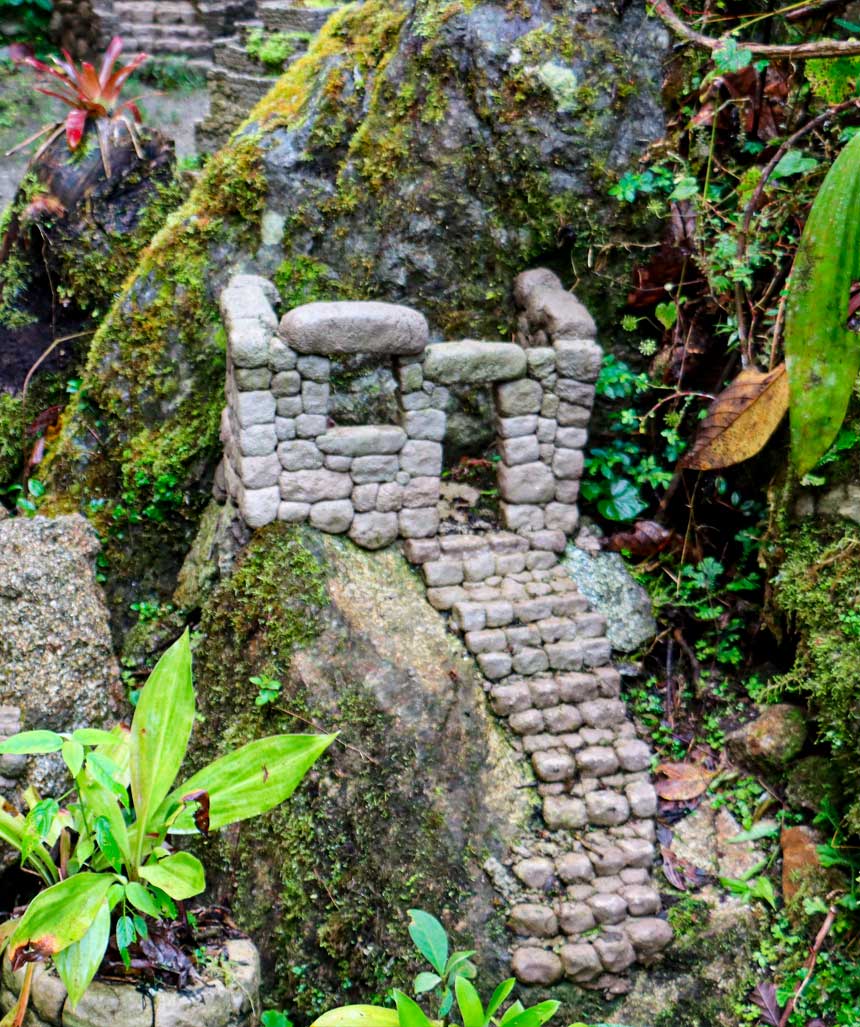
There is a place that is not connected to the main roads and easy to get to: the Allcamayo Falls. I know it's hard to believe, but this exists in Aguas Calientes, a place where there are a lot of tourists.
There, you can enjoy a walk among the trees, orchids, butterflies and birds, which will finally lead you to three natural waterfalls. The last one, Allcamayo, is also the highest (30 meters). It's a great place to visit and enjoy in peace, surrounded by nature. If you want to swim in the sea, don't forget to bring a towel and a swimsuit.
To get there, follow the path behind the train station and walk for about 40 minutes. You will have to climb a wooden staircase, following the path for a few minutes until you reach a cabin that says "Allcamayo Waterfall", where you will have to pay the entrance fee of 10 soles.
Hours: 8:00 a.m. to 5:00 p.m.
 |
 |
Come and visit Machu Picchu without paying
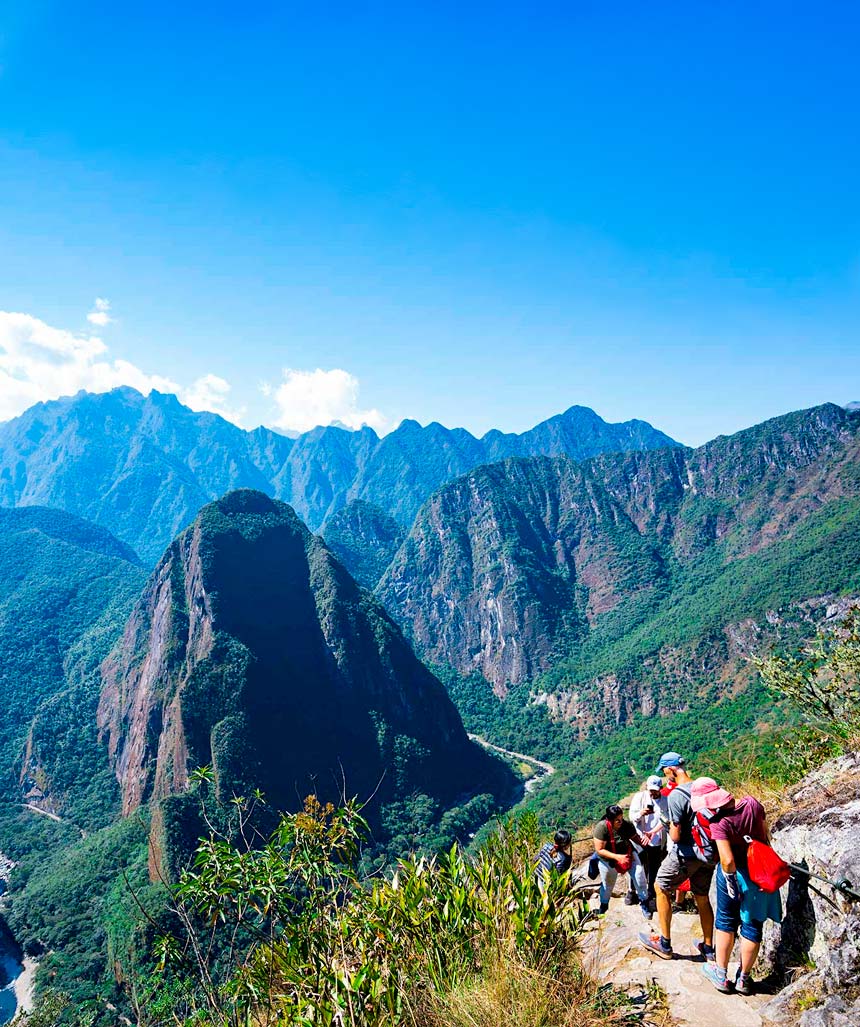
You can't get into Machu Picchu without a permit, so you can't visit it for free. But you can get a great view of the citadel and its beautiful landscape from Putucusi.
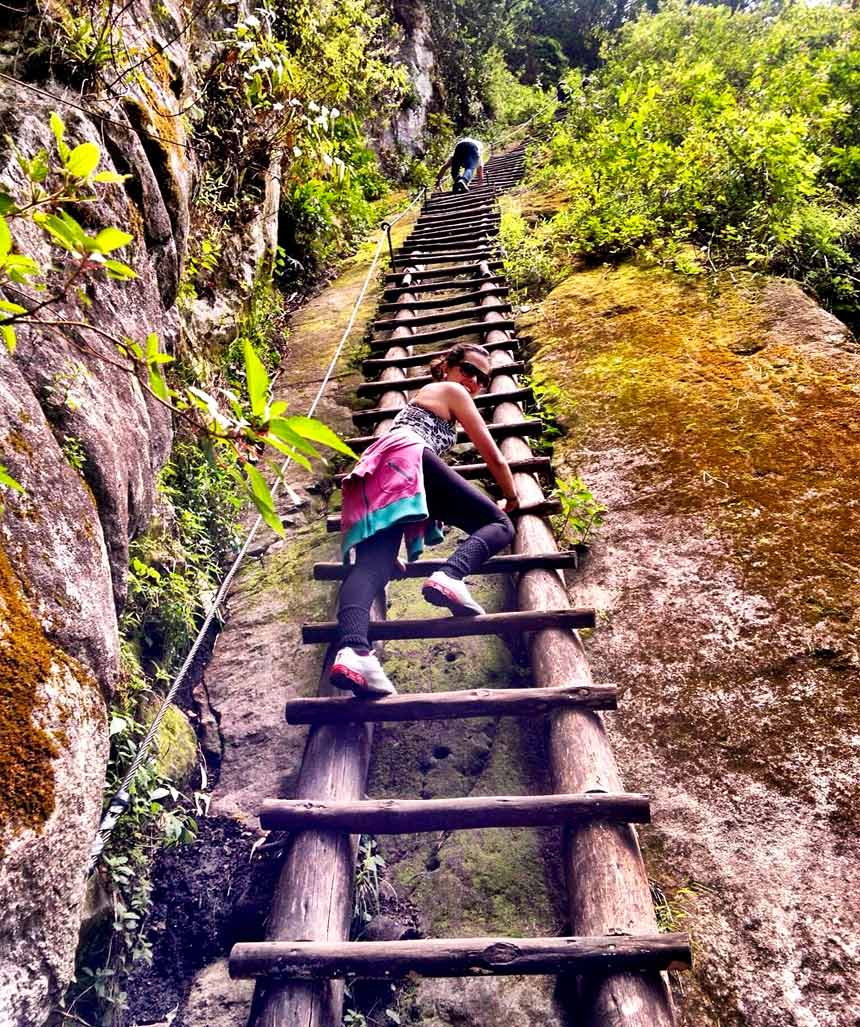
Phutuq K'usi, a mountain that is also known as the guardian of Machu Picchu, is the only free mountain that is part of the historic sanctuary of Machu Picchu.
But be careful: it's hard to reach the top! You have to be fit and agile. It is very important that you are not afraid of heights, because you will have to climb and descend a wooden staircase that is completely vertical.
As it's free to enter, it's not in the best condition. Before you start climbing up, you need to know about the trails in Aguas Calientes.
 |
 |
Climb Huayna Picchu
Huayna Picchu, which means "young mountain" in the Quechua language, is the famous mountain that is behind the citadel and can be seen in all the typical photos of Machu Picchu.
The climb is quite short (1.30 - 2 hours there and back), but it is very steep, and you get a great view of the place and the surrounding area.
It's a really unique experience, which is why it's so popular. You can't just turn up and it's really hard to get tickets.
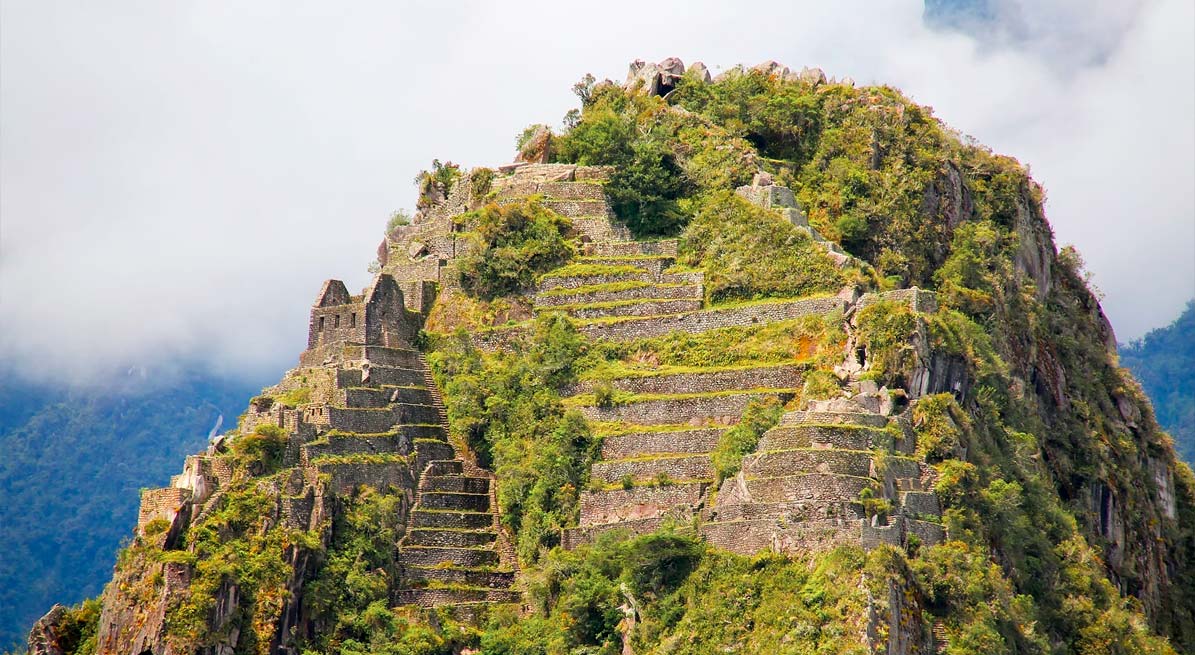
Machu Picchu mountain, an alternative to Huayna Picchu
This mountain is on the other side of the citadel, in front of Wayna Picchu. It is a little longer to climb (2 to 3 hours there and back), but it is less difficult.
But be careful: although it is less popular than Huayna Picchu, you will also need to book at least several weeks in advance. You can buy the ticket for the Machu Picchu Mountain at the Machu Picchu site.
Visit Machu Picchu
Hidden among the high mountains of the green Urubamba Valley is the famous citadel of Machu Picchu. It was the seat of the highest administrative and religious functions, and home to the Inca Pachacutec palace. Because of its location, it was surely of vital importance during the empire.
The Inca city was only revealed to the world in 1911, when Hiram Bingham led an expedition there. Today, it is considered the largest symbol of Peru.
Machu Picchu is a very popular place to visit, so I recommend you avoid buying your tickets at the last minute, as they often sell out.
If you just want to go to Machu Picchu, here's how to get the ticket:
The offices of the Regional Directorate of Culture are located in two places:
Cusco (Casa Garcilaso, Calle Garcilaso s/n, Cusco)
Aguas Calientes (Av. Pachacutec)
You can find this information on the official Machu Picchu website.
Go and buy some souvenirs
Go to the craft market. You can't miss it, as it is right next to the train station.
There are more than 200 stalls in the market selling all kinds of things, like ponchos, key chains, sculptures, instruments and paintings.
The craft market is open every day. It is open from 8 a.m. to 9 p.m.
Take a stroll through the streets of Aguas Calientes
If you have a bit of time before or after visiting Machu Picchu, there are some things you can do on your way through Aguas Calientes. You could see the small church of the Virgen del Carmen, visit the main square, Manco Cápac, and stop by the Mercado de Abastos. Even if you don't go there to eat, it is a really local and pleasant experience.
How to get from Cusco to Aguas Calientes by train?
You can't take a taxi, so you have to get from Cusco to Aguas Calientes by train or on foot. I will explain how to do this below.
To go from Cusco to Aguas Calientes:
The journey from Cusco to Aguas Calientes by train takes about three hours. You can get the train at Poroy or Wanchaq station, depending on the season. The train is operated by Peru Rail. Prices start from 80 US dollars, depending on the type of train you choose: The trip includes an expedition, a Vistadome or a Belmond Hiram Bingham deluxe trip (with a transfer from Cusco, food and a show, a ticket to Machu Picchu with a guided tour and tea time at the Belmond Sanctuary Lodge).
The fastest way to get from Cusco to Aguas Calientes is to take a bus to Hidroeléctrica. The bus takes 7 hours and costs 70 soles. Then you need to walk for about 2.30 hours following the train tracks to Aguas Calientes. It's best to buy a round-trip ticket from Aguas Calientes to Cusco with the same transport (departures around 2:00 p.m.).
To go from Ollantaytambo to Aguas Calientes:
Ollantaytambo is closer to Aguas Calientes, so the train journey is only 1.30 hours, whether you take Peru Rail or Inca Rail.
You can also get to Aguas Calientes and Machu Picchu from Cusco by following the Inca Trail. There are four-day and two-day Inca Trail tours. You can also do a three-day hike, a two-day Inca Trail with camping, or a one-day Inca Trail.
Alternative Treks to Inca Trail
- Lares Trek to Machu Picchu
- Salkantay Trek
- Inca Jungle Trek
- Lares Trek
- Choquequirao Trek 5 Days
- Choquequirao to Machu Picchu Trek
How to get from Aguas Calientes to Machu Picchu?
There are two ways to get there:
Aguas Calientes to Machu Picchu Hike
Are you in good physical shape? If you want to hike from Aguas Calientes to Machu Picchu, you should know that it takes about an hour and a half or two hours to walk uphill.
To hike from Aguas Calientes to Machu Picchu, follow the road to the citadel. You will see a sign for the stairs at the base of the mountain. The path is clearly marked, so you won't get lost.
The path of the hike from Aguas Calientes to Machu Picchu is very well marked, but the road is not particularly interesting. It is also quite dusty because of all the buses that pass.
The walk takes about an hour, so remember to allow time for the sun to set (around 6pm) and for it to get dark.
The bus is definitely the best option (unless you don't have much money).
By bus
The first bus leaves at 5.30am and the last one leaves at 3.30pm. The last bus back leaves at 5.30pm. Boarding is every 10 minutes. It costs $12 for a return trip or $6 for a one-way trip. Some people like to walk up, while others prefer to take the bus up and walk down.
You can buy the bus ticket to Machu Picchu at the plaza in Cusco (Avenida Infancia 433) or Aguas Calientes (Avenida Hermanos Ayar S / N). You can also buy it online at the Consettur site.
Frequently Asked Questions
- When is the best time to visit Machu Picchu?
To enjoy a quieter experience, it is a good idea to go very early, when the site opens at 6:00 a.m., and see the sunrise with fewer visitors. - What should you bring when you go to Machu Picchu?
Put a few things in a small backpack: water, snacks, sunscreen, a hat, insect repellent, and a raincoat if it's rainy season. Wear clothes that you can layer up and shoes that are comfortable. This is because the weather can change and the ground can be uneven. Don't forget your ticket and passport. - Is it possible to walk from Aguas Calientes to Machu Picchu?
Yes, it is possible, but you will need to be in good physical condition. The walk takes between an hour and a half and two hours, and has steep sections and lots of stairs through the forest. It's a tough challenge, but the views are amazing. It is best to start very early and bring plenty of water. - Are there cash machines in Aguas Calientes or should I bring cash?
There are cash machines in the town, but they can run out of money during the busy season. It's a good idea to have enough cash to cover things like meals, tickets and tips. If you decide to use an ATM, bear in mind that the bank will usually charge you a fee. - When is the best time to buy train tickets to Aguas Calientes?
If you want to come during the busy season, you need to book well in advance, as places get sold out quickly. You can easily do it online, choosing the schedule and type of service you prefer. - Are tickets for Machu Picchu available to buy in Aguas Calientes?
Yes, there is a sales office in the town. However, as it is very popular (especially between May and September), it is best to buy tickets online in advance to make sure you can get in. - Where can I buy bus tickets and where is the station in Aguas Calientes?
You can buy tickets online or directly in Aguas Calientes, near the main square. Buses start from 5:30 a.m. To avoid queuing on the same day, it is advisable to buy tickets in advance, preferably the day before. - Where can you leave your luggage while visiting Machu Picchu?
Most hotels in Aguas Calientes offer luggage storage for free. If you would prefer to leave your things closer to the archaeological site, there are also lockers available near the entrance to Machu Picchu. - Can I hire a tour guide in Aguas Calientes?
Yes, you will find guides near the bus station and at the entrance to Machu Picchu. - What is the weather like in Aguas Calientes, and what should I wear?
The weather is warm and wet. It rains a lot between November and March, so it's a good idea to bring a raincoat or poncho. From April to October it is drier, so you should wear light, breathable clothes, comfortable shoes and a cap or hat. - What's the best way to enjoy the hot springs at Aguas Calientes?
To avoid crowds, it is best to go early in the morning or at night. Bring your swimsuit, towel and sandals, or you can rent a locker. - Where is the Butterfly House and what can you see there?
The Butterfly House is about a 15-minute walk from the centre of the city, on the way to Machu Picchu. It is a calm space where you can see local butterflies and learn about their life cycle.


