
For travelers looking to travel from Peru to Bolivia, the land route that connects Cusco with La Paz is the most popular and accessible option; although the air option is also found, the bus trip is preferred, since it offers the opportunity to experience the geographical transition of the Peruvian highlands and visit tourist sites before crossing the border.
This multi-leg trip is not just a logistical transfer, but an opportunity to know the diverse Peru landscapes and Bolivia. The route passes directly through the Altiplano and Lake Titicaca, the highest navigable lake in the world and one of the most iconic destinations in South America. This journey allows making stops in cities like Puno (Peru) or Copacabana (Bolivia), which offer impressive views and the opportunity to enjoy the unique sunsets over Titicaca.
This guide focuses on the logistics, the transport options, and the stopover recommendations to cover the route from Cusco to La Paz efficiently.
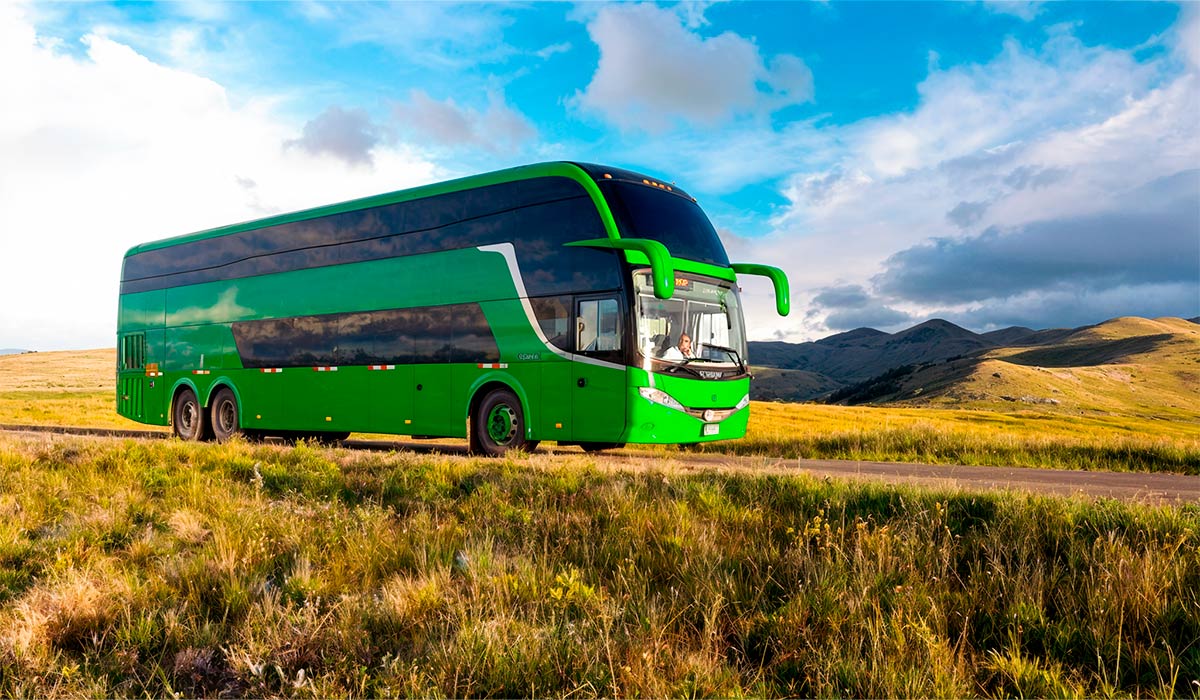
Options to Travel from Cusco to La Paz
The itinerary from Cusco to La Paz, which covers approximately 650 kilometers, can be done through three main options: by air (direct or with a layover), by the direct land route by bus, or through the land route with a tourist stop at Lake Titicaca. The choice will depend on the traveler's priority: speed, cost, or tourist experience.
Land Route: Cusco to La Paz by Bus
The direct bus trip from Cusco to La Paz is the most used option for its economy and time efficiency. The route is typically overnight to maximize the use of time and minimize the hours lost during the day.
Trip Logistics
- Estimated Duration: The trip has an average duration of 14 to 16 hours in total, although the pure driving time is about 11 hours. The variation depends largely on the time spent at the border crossing.
- Departure Times: Direct buses usually leave from the main Bus Terminal of Cusco after 10:00 PM. This schedule is planned to arrive at the Desaguadero border post the next morning, matching the opening of the Migration offices, which helps to avoid long lines.
- Intermediate Stop: The bus makes a brief technical stop in Puno (Peru) before continuing towards the border.
- Border Crossing: The migration process is done at the Desaguadero border. It is essential that passengers get off with their documents and get the exit stamp from Peru and the entry stamp to Bolivia.
Reference Schedules and Prices (Direct Trip)
| Bus Company | Departure Time | Estimated Arrival Time | Reference Price (US$) | Additional Information |
| Trans Salvador | 22:00 hrs | 13:00 hrs | $24.09 | Direct Service. Migration in Desaguadero. |
| Tour por Perú | 22:00 hrs | 15:00 hrs | $29.00 | |
| Nuevo Continente | 22:30 hrs | 14:00 hrs | $26.28 |
Air Route: Cusco to La Paz by Plane
Air travel is the fastest option, although considerably the most expensive, to connect Cusco (CUZ) with La Paz (LPB). The efficiency of this route is limited by the lack of direct flights between both cities.
Flight Logistics
- Mandatory Stopovers: Generally, travelers must make at least one stopover in a connecting city. The most common stopover is at the Jorge Chávez International Airport in Lima (LIM), which turns a trip that should be short into a long journey.
- Total Duration: The total duration of the trip (including flight time and the stopover) can vary widely, often exceeding 5 to 8 hours and even more, depending on the connection.
- Cost: The price is significantly higher than land transport, with rates starting above $200-$300 USD and can increase depending on the season and the airline.
Considerations
From a geographical and economic efficiency perspective, flying is not always advantageous for this itinerary. Travelers often choose hybrid solutions to optimize time or cost, such as:
- Transport Combination: Taking a night bus from Cusco to Puno or La Paz, and flying from La Paz to other Bolivian destinations if necessary.
- Recommendation: If the main goal is Lake Titicaca, the land route with a stop is the most logical and efficient, as the time saving of the flight does not justify the extra cost, given the required stopovers.
Can you travel from Cusco to La Paz by train?
Currently, there is no direct railway connection that allows traveling from Cusco, Peru, to La Paz, Bolivia. Due to limitations in the Peruvian railway infrastructure on this route, the Cusco-La Paz stage must be done by land (bus) or air.
Later Railway Connection (From Bolivia)
The use of the train only becomes feasible once the traveler has arrived in Bolivia and wants to continue their journey to the south (e.g. Uyuni, Tupiza):
- La Paz to Oruro (Bus): To access the Bolivian railway network that heads south, the traveler must first take a bus from La Paz to the city of Oruro. This land trip has an average duration of 3 to 4 hours, with buses leaving with high frequency.
- Oruro to Southern Destinations (Train): It is in Oruro where the train station offering services to destinations like Uyuni (access point to the Uyuni Salt Flat) and other cities in southern Bolivia is found. This railway section is popular among tourists.
In short, although the train is an interesting option within Bolivia, for the international journey from Cusco to La Paz, the bus remains the most efficient and direct land alternative.
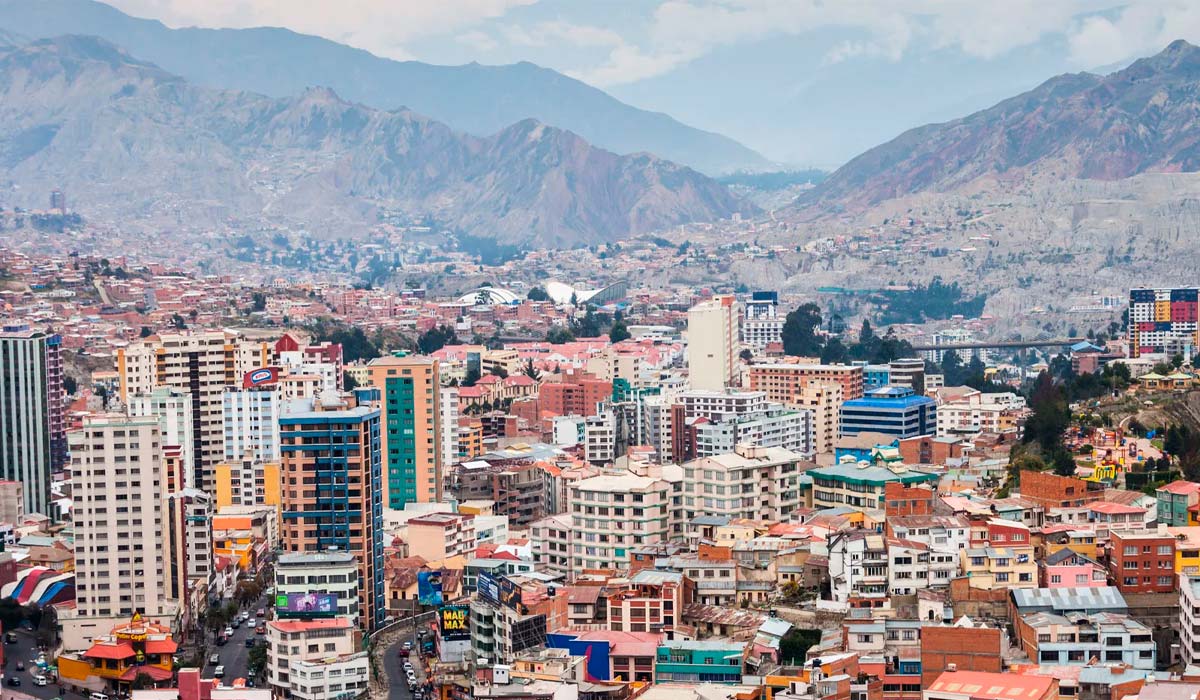
La Paz - Bolivia
Which is the best option?
The best option for getting from Cusco to Uyuni depends on each person. We believe that a flight to the Salar is too tedious and expensive to be a viable option. A train ride can be a pleasant change from a long bus ride to the capital—it's up to you!
Puno or Copacabana: Which is better?
A common decision made by travelers wishing to visit Lake Titicaca is to choose between Puno, on the Peruvian side, or Copacabana, on the Bolivian side. Both options are worthwhile, but sometimes, due to lack of time, one or the other is chosen.
Why Puno?
Puno is a good-sized city on the lakeshore with nearby archaeological sites, where you can learn about colonial history and stay in the homes of the locals.
Visit Puno Cathedral, an 18th-century Baroque cathedral that towers over the city center.
Carlos Dryer Municipal Museum: The museum has a solid selection of regional artifacts and textiles, including a collection of mummies with deformed skulls.
Uros Floating Islands: Founded by the Uros people, the islands were artificially constructed from totora reeds, the island's native species. The Uros meticulously maintain their traditional homes and welcome visitors.
Amantani Island: Further out than the Uros Islands, Amantani Island offers a fascinating and authentic insight into the local indigenous culture. Tourists can choose to spend a night there thanks to community initiatives that allow them to stay in a family home.
Another island worth visiting is Taquile. Smaller but more developed, the island is famous throughout Peru for its textiles. You can also visit archaeological sites and enjoy stunning views of the lake.
Back on the mainland, Sillustani is a fascinating pre-Incan burial ground. The tombs, built above ground in funerary towers called chullpas, are vestiges of the Qulla people, conquered by the Inca Empire in the 15th century.
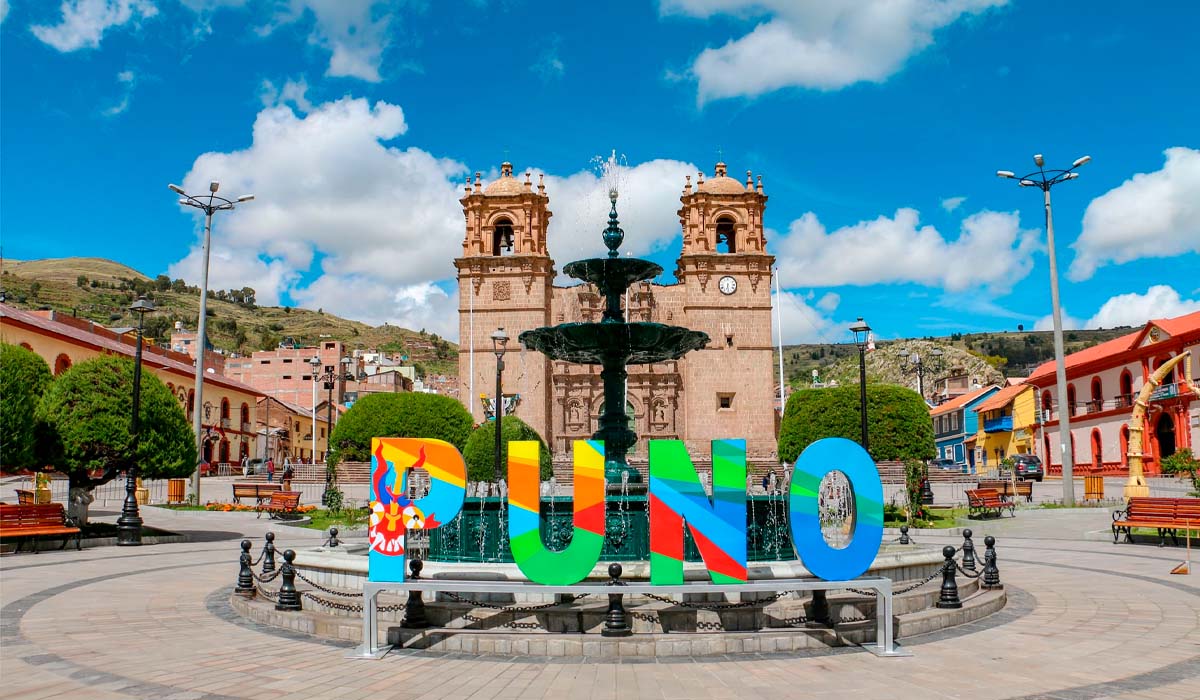
Puno - Peru
Why Copacabana?
Copacabana is known for its mystique and beauty, and for the best trout you've ever tasted. It's smaller and quieter than Puno, but has a unique charm and allows for short hikes around the lake.
If you don't have much time and want to make the most of your visit, you can choose one or more of these options:
Climb Cerro El Calvario: Hike 30 minutes uphill to enjoy panoramic views of the lake. It's a popular spot for sunset viewing.
Spend a night on Isla del Sol: One of the most popular activities in Copacabana is to visit Isla del Sol. Boats leave from the dock at 8:00 AM and 1:30 PM daily. The journey to the island takes approximately an hour and a half. There you can see Inca ruins and experience the peace and energy of one of the most sacred sites of the Inca Empire. It is a very picturesque place where you can enjoy panoramic views of the lake, views of the Cordillera Real, and hikes through ancient terraces and pre-Columbian ruins.
Isla de la Luna (Moon Island): Legend has it that this is where Viracocha (the Inca creator deity) commanded the rising of the moon. It is a small island located near Isla del Sol (Island of the Sun) in Lake Titicaca, where the ruins of the Temple of the Virgins are located. Touring the entire island takes approximately one hour.
Basilica of Our Lady of Copacabana (Basilica of Our Lady of Copacabana): A 16th-century Spanish colonial church that houses the image of the Virgin of Copacabana.
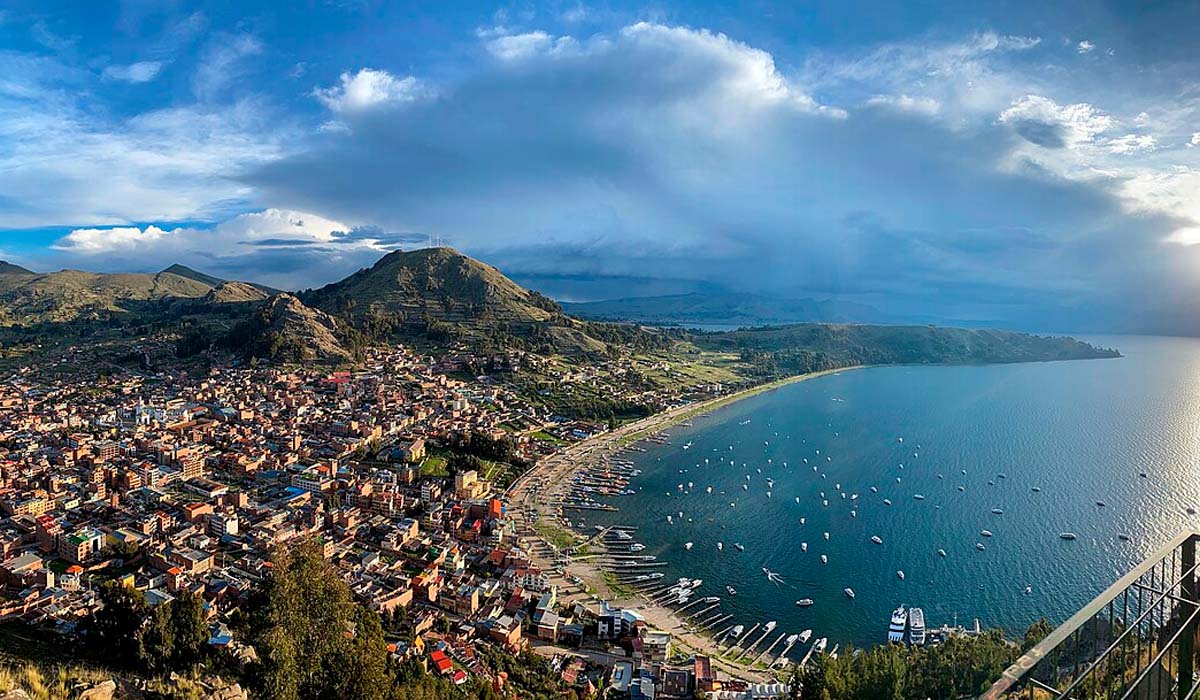
Copacabana - Bolivia

Other Famous Tours in Cusco
There are many routes taking you to Machu Picchu. But none is like the Inca Trail Tours - the most famous pedestrian path of the Americas! After flying from the capital of Peru - Lima, you arrive in Cusco to walk for 4 days following a trail through forests and dense fog, millenary stone steps while discovering the ruins of ancient fortifications and Inca towns. All the time, you might enjoy majestic views. You can pick from the following options:
- Salkantay Trek to Machu Picchu 5 Days
- Hiking the Inca Trail to Machu Picchu 5 Days
- Inca Quarry Trail 4 Days
- 2 Day Inca Trail Tour
- 2 Day Inca Trail with Camping
- 3 Day Inca Trail
- Vilcabamba Hike to Machu Picchu 6 Days
- Choquequirao Trek to Machu Picchu 9 Days
- Ausangate Trek 7 Days
If you like to visit Machu Picchu, we recommend you to book your Machu Picchu Ticket in advance. In this way, you will enjoy your Vacation in Machu Picchu without any problem.


