
Cusco, also known in Quechua as Qosqo, was the capital of the Inca Empire and its administrative and religious center. It is located at 3,399 meters above sea level and in 1983 it was declared a World Heritage Site by UNESCO. From here, the Tahuantinsuyo grew to cover lands that today belong to Ecuador, Bolivia, Chile and Argentina.
Today it is one of the most visited cities in Peru, not only for its Inca architecture and monuments, but because it is the starting point of the most wanted walking routes to reach Machu Picchu, the lost citadel. Among the most known are:
- Inca Trail tours, where we can walk on the Inca stairs and visit museums and archaeological sites on a demanding but adventurous walk.
- The Salkantay Trek is another alternative to the Inca Trail and allows you to look at the beautiful mountains during the tour.
- Choquequirao walk, on this walk we need to be in good physical shape because it is hard and tiring, but the reward at the end of the walk is amazing.
- Walk to Machu Picchu or alternative route. There are many paths to reach Machu Picchu, beautiful and impressive. We recommend you visit our Short Walks and Tours section.
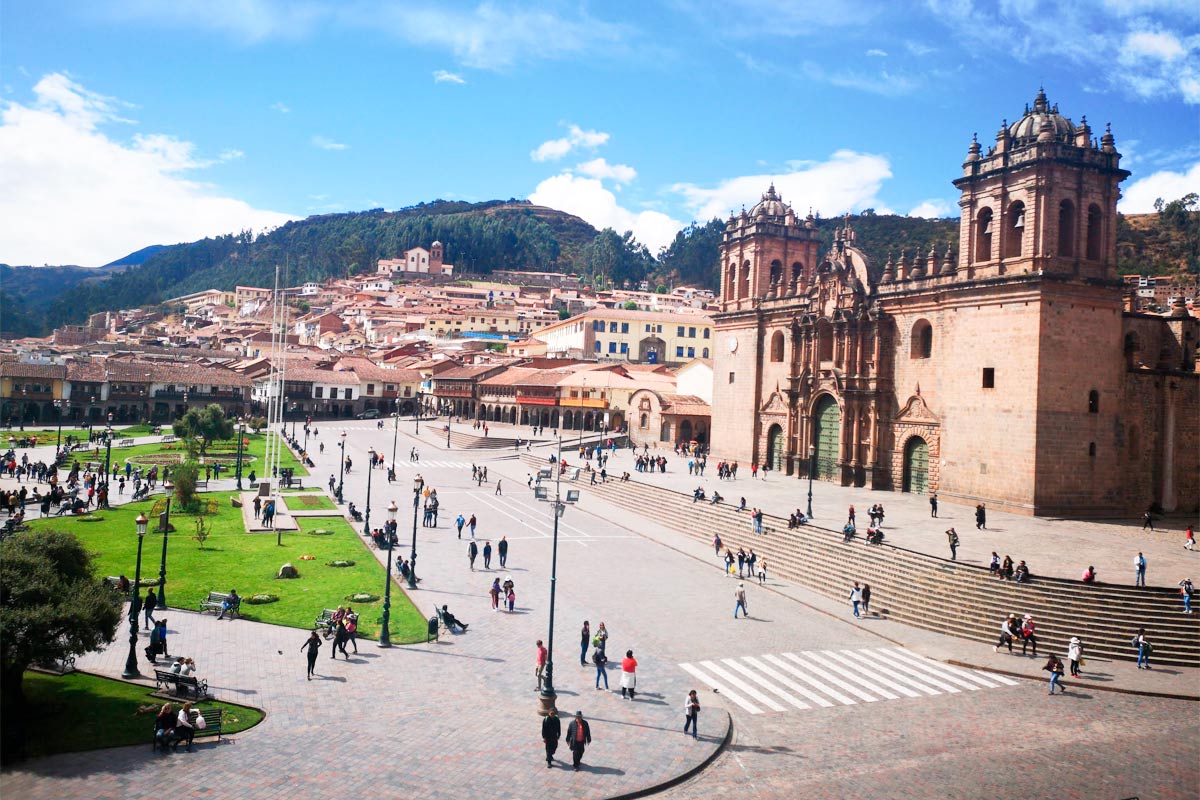
Main tourist attractions in Cusco
Around Cusco, the Incas built fortresses like Sacsayhuaman and temples like Qoriqancha, Q'enqo, and Tambomachay. Each site shows a different stage of Inca engineering and religion. In the historic center you will also find stone streets from colonial times, craft markets, and the Twelve-Angled Stone, located on Hatun Rumiyoc street. These are the most recommended sites:
- San Blas: a neighborhood located a few blocks from the Main Square, known for its steep streets, craft workshops, and viewpoints looking over the city. You can explore it walking, without the need for a guided tour.
- Sacsayhuaman: archaeological site about 2 km from the center of Cusco. Its zigzag terraces and large stone blocks are the main attraction, as well as wide viewpoints of the city. Included in the Tourist Ticket.
- Temple of the Moon: located near Sacsayhuaman, with caves and altars carved into rock. It is not always included in group tours, so it is a good idea to visit it on your own or on a private tour.
- Qoriqancha: temple dedicated to the Inti god, on whose foundations the church and convent of Santo Domingo were built. Located a few blocks from the Main Square.
- Q'enqo: ceremonial site carved in limestone rock, used for Inca religious rituals. It is very close to Sacsayhuaman and is usually visited on the same route.
- Tambomachay: known as the "Inca Bath", it is a system of water channels and fountains of Inca origin, about 8 km from the center of Cusco.
- San Pedro Market: traditional market with regional products, local food, and crafts at cheap prices. A good option to buy things before a walk.
- Natural History Museum: located in the Main Square, inside the San Ignacio de Loyola University, it shows animal and plant species from the region, including stuffed animals.
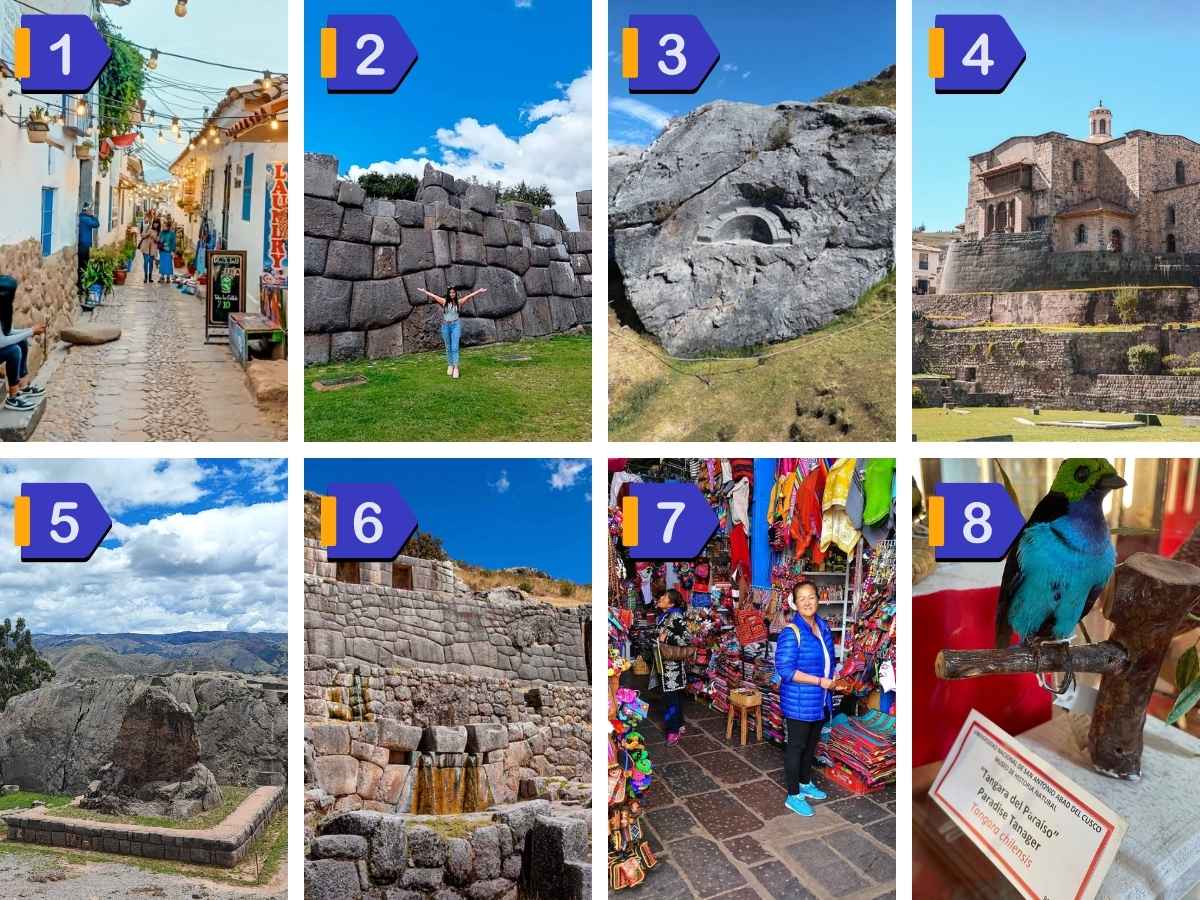
What to do if you visit the city of Cusco?: Food in Cusco
Food is another of the great attractions of the city. Around the Plaza de Armas and in markets like San Pedro it is common to find street food stalls with typical dishes of the Andean region.
Some of the most representative are:
- Chiriuchu: traditional dish from Cusco, made especially for the Inti Raymi festival (June 24). It mixes guinea pig, hen, jerky, sausage and other cold ingredients.
- Cuy chactado / baked guinea pig: fried or baked guinea pig, typical of the Peruvian highlands.
- Chicharrón: fried pork pieces, served with boiled corn and toasted corn.
- Lechón: baked pork, very popular on weekends in Cusco and the rest of the highlands.
- Anticuchos: grilled beef heart skewers, common in street stalls at night.
- Lomo saltado: a dish of Lima origin but available in most restaurants in Cusco.
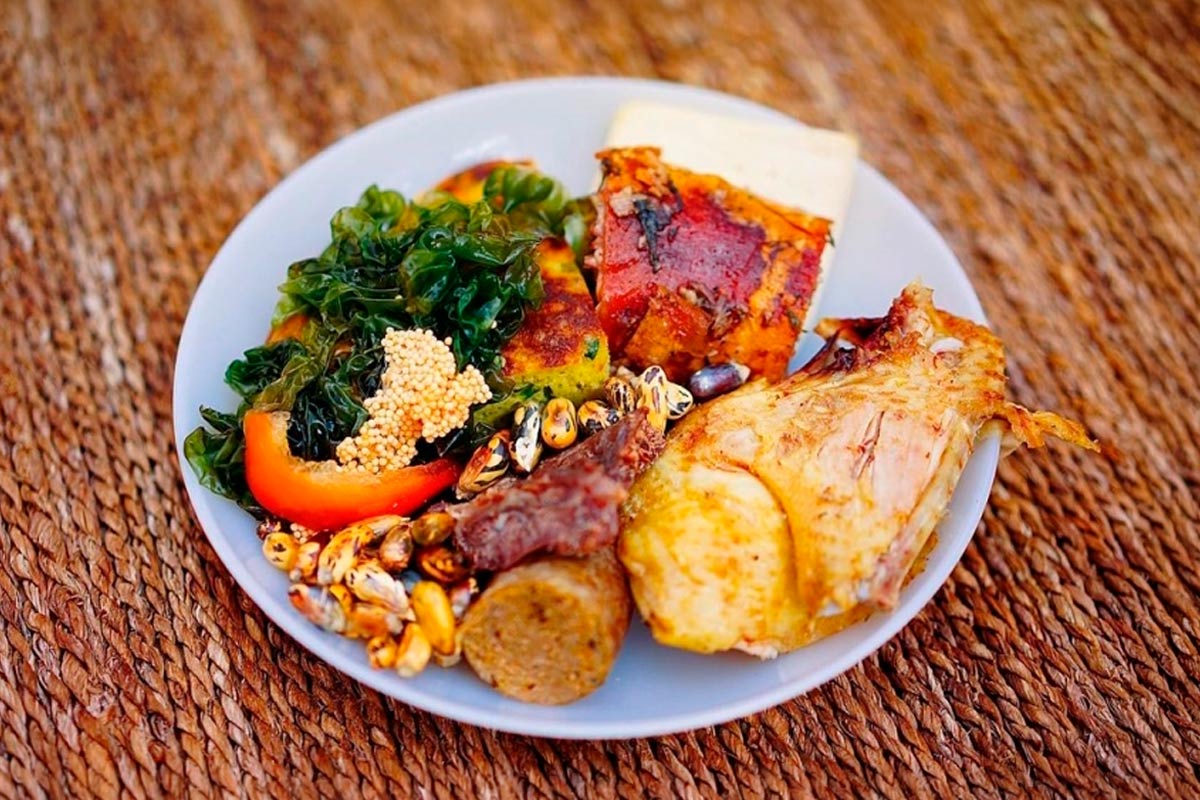
What is the best time to visit Cusco?
Cusco can be visited all year round, but the weather changes a lot depending on the season:
Dry season (April to September): it is the most recommended for trekking, since there is less chance of rain and the paths are in better condition. The nights, especially in June and July, can be very cold, with temperatures close to 0°C in high areas.
Rainy season (October to March): the heaviest rains happen between January and March. In these months it is more common to find Machu Picchu partly covered by clouds, although there are also fewer tourists and better prices.
June is also the month with the most cultural activity in the city, due to the celebration of the patron saint festivals and, above all, the Inti Raymi, the Festival of the Sun, which is held every year on June 24 on the Sacsayhuaman esplanade.
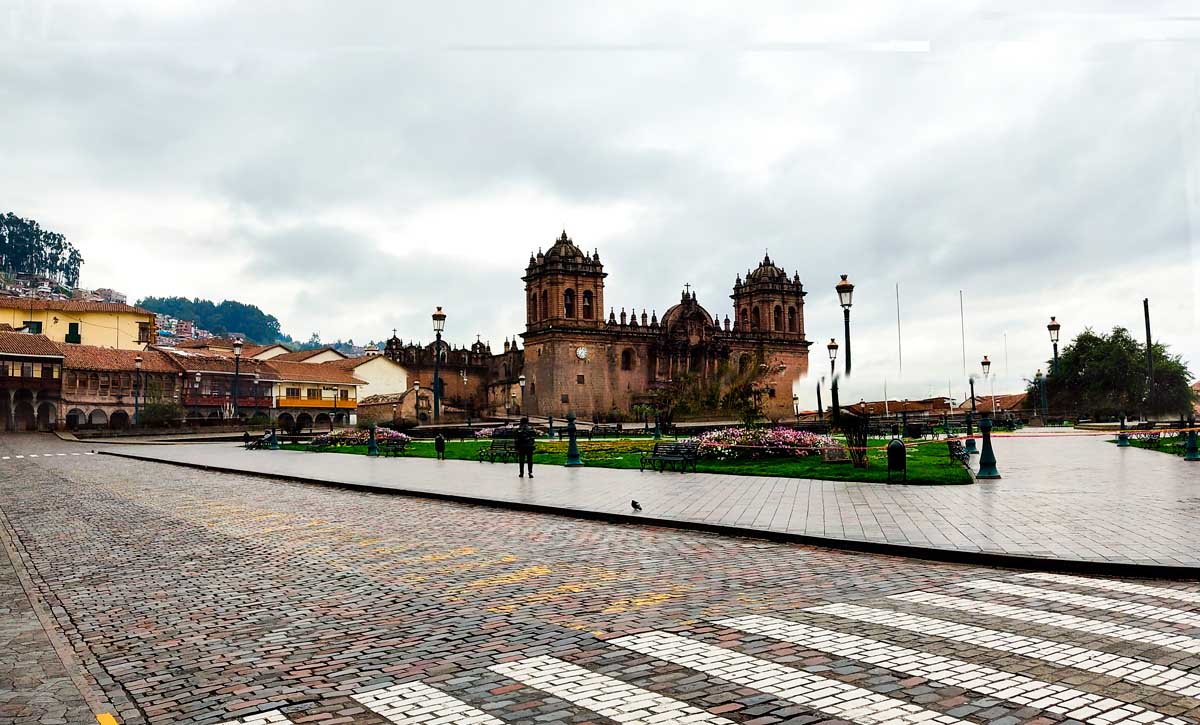
Frequently asked questions about tourist attractions in Cusco
- Is the Tourist Ticket necessary to visit all attractions?
Not all of them. The General Tourist Ticket covers sites like Sacsayhuaman, Q'enqo, Tambomachay and Qoriqancha, but it does not include places like San Blas, the San Pedro Market or Baratillo, which are free to access. - How many days is it recommended to stay in Cusco?
To get to know the city and its nearby attractions, at least 2 to 3 days are recommended. If a hike like the Inca Trail or Salkantay is added, it is a good idea to add between 2 and 5 extra days. - Is it necessary to acclimatize before doing a hike?
Yes. Due to the altitude of Cusco (3,399 meters above sea level), it is recommended to spend at least 1 to 2 days in the city before starting any trek, to reduce the risk of altitude sickness. - Is it safe to walk around Cusco?
In general yes, especially in tourist areas like the Historic Center and San Blas. As in any tourist city, it is recommended to avoid showing valuable items and to use authorized taxis at night. - What is the best time to visit Cusco?
The dry season, between April and September, is the most recommended for trekking. The rainy season (October to March) has fewer tourists and better prices, although with a higher chance of finding Machu Picchu cloudy.
The most famous hiking trails in Cusco
There are several routes to get to Machu Picchu, but the Inca Trail is the most recognized internationally. After arriving in Lima and flying to Cusco, the trek lasts between 2 and 5 days depending on the chosen option, crossing cloud forests, stone steps built by the Incas more than 500 years ago, and archaeological sites like Runkurakay, Sayacmarca and Wiñay Wayna before reaching Machu Picchu through the Sun Gate.
The most requested routes are:
- 4 day hike to Machu Picchu
- Hiking the Inca Trail to Machu Picchu 5 days
- Inca Quarry Trail 4 Days
- 2 Day Inca Trail Tour
- 2 Day Inca Trail with Camping
- 3 Day Inca Trail
- Vilcabamba Hike to Machu Picchu 6 days
- Choquequirao trek to Machu Picchu 9 days
- Ausangate trek 7 days
If you plan to visit Machu Picchu, we recommend booking your Machu Picchu entrance ticket in advance, since the daily capacity is limited.


