
The climate of Cajamarca is known for being mild and dry, offering sunny days that contrast with cool nights and a constant breeze that comes down from the mountains. This environment is typical of the Peruvian highlands, where altitude defines not only the temperature, but life itself in the region. Finding out the ideal time to travel to this northern Andean city is the first step to enjoying a pleasant trip.
The geography of the department is marked by the Andes Mountains, which cross it from south to north, creating a variety of ecological levels that give life to some of the most impressive Landscapes of Peru. This change in altitude is notable: from 2,750 m in the city of Cajamarca to the warm 470 m in the district of Choros; this allows biodiversity to flourish and ensures that every corner of the region offers a different visual and climate experience.
To plan your next Adventure holidays in Peru, it is vital to understand its two seasons. The dry season (May to September) gives clear skies perfect for trekking, with temperatures ranging between 6°C and 19°C. On the other hand, the rainy season lasts from September to May, with the heaviest rains between February 15 and March 15. Choosing the right date will ensure you have the best experience under the Cajamarca sun.
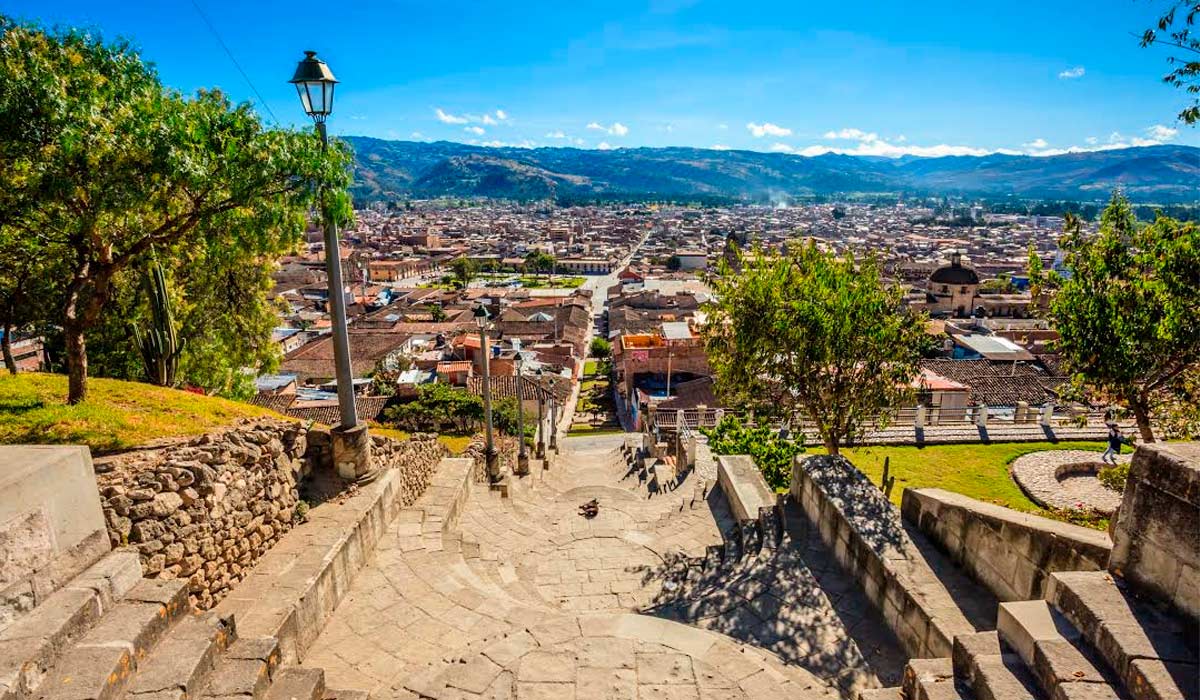
What is the best season to travel to Cajamarca?
Cajamarca is an optimal destination to visit at any time of the year; however, the key to a perfect trip lies in matching your activities with the weather. While some months are good for having a water adventure or exploring the forests, others are ideal for high mountain photography and archaeological tourism under blue skies.
Here we break down what to expect from each season so you can choose the one that best fits your travel style:
Summer in Cajamarca (Rainy Season)
- When to go? From late December to March.
- The Weather: Unlike the Peruvian coast, summer in the highlands brings rain. However, it is a warm and vibrant time. Days reach a pleasant 21°C (68°F), dropping to 8°C (46°F) at night.
Why choose this season?
It is the time when nature is full of color. The heat of the day is the perfect excuse to dare to take a dip in the refreshing and freezing waterfalls of Llacanora. Also, the rain does not stop cultural exploration: places like the historic "Ransom Room" are protected, and the pine forests of Granja Porcón take on a special experience under the mist and drizzle.
Winter in Cajamarca (Dry Season)
- When to go? From June to September.
- The Weather: It is poetically said that the cold here "touches the cheeks without hurting them". It is the coldest season, with highs of 16°C during the day and lows that drop to 5°C, but in exchange it offers completely clear and blue skies.
Why choose this season?
The absence of clouds guarantees the best panoramic views, which is essential for visiting the Cumbemayo archaeological Sanctuary and its stone formations ("frailones"). It is also the ideal time for experiential tourism at Sulluscocha Lagoon or to climb Santa Apolonia Hill and have a perfect view of the city and the valley without the risk of rain.
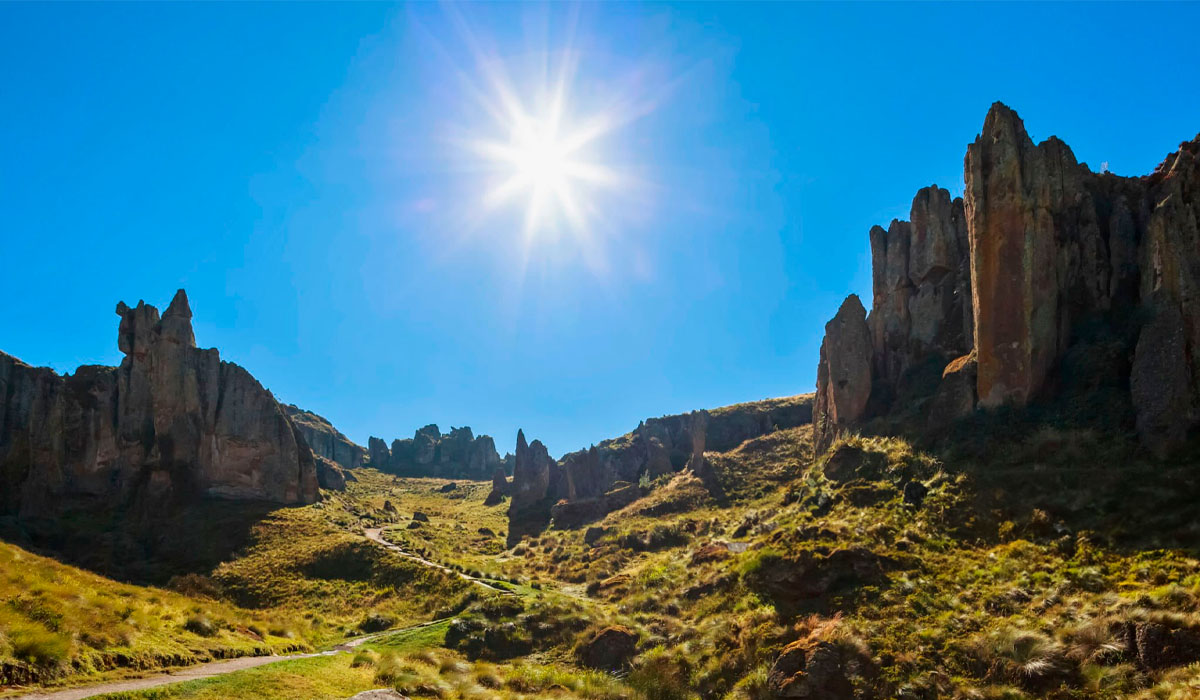
The 5 Best Reasons to Visit Cajamarca
Cajamarca is a destination that combines green landscapes, colonial and Inca history, and one of the most vibrant cultures of the north. If you are planning a tour of Peru beyond the traditional southern routes, here are the main reasons to include this city in your itinerary:
- Nature: One of the natural wonders of the region is the Cutervo National Park, the oldest protected natural area in the country and home to unique species of flora and fauna, such as the spectacled bear and oilbirds.
- History: This place is key to understanding the end of the Inca Empire. It holds archaeological relics such as the Ventanillas de Otuzco (a pre-Inca cemetery) and the famous Ransom Room, the only Inca remains in the city that still stand after the capture of Atahualpa.
- Thermal waters: Visit one of the most important places in Cajamarca the Inca Baths. These pools have healing properties and were used by the Inca himself to relax before the arrival of the Spanish.
- Gastronomy: Take the chance to try the varied local food. In addition to national dishes like lomo saltado, Cajamarca is famous for its guinea pig stews, its green broth and, of course, its high-quality dairy products like cheese and milk candy.
- Folklore: The city is home to the Cajamarca Carnival, one of the most popular and colorful festivals in the whole country, where songs and parades fill the streets with joy every year.
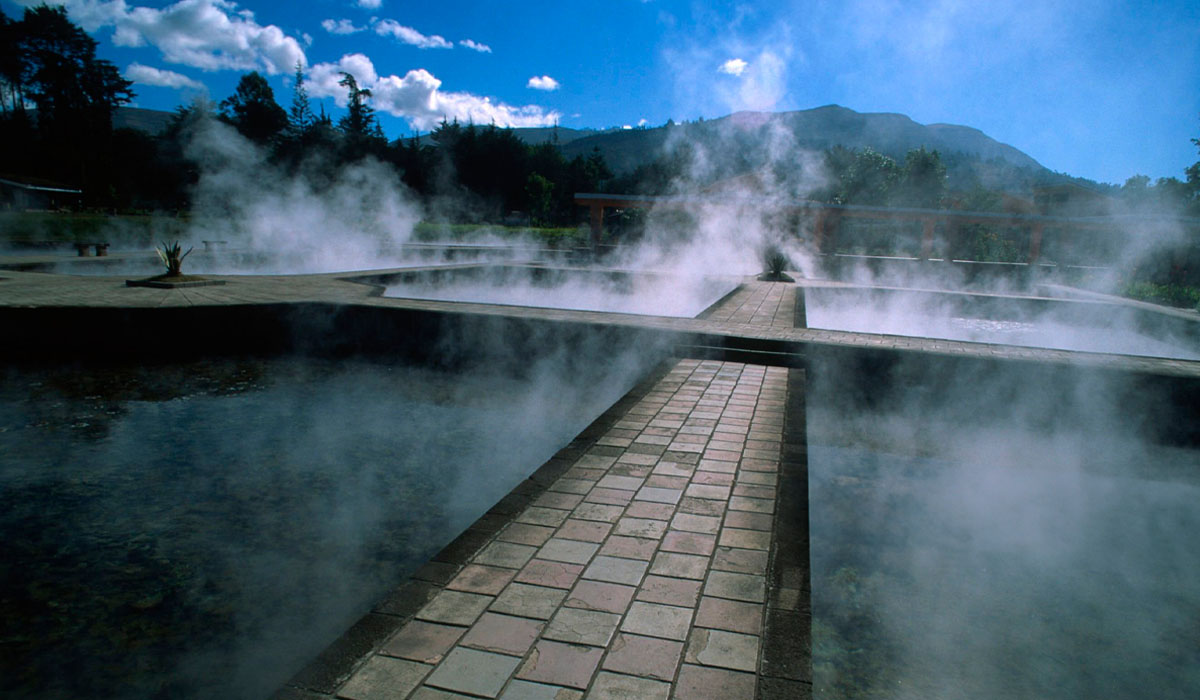
Cajamarca the Inca Baths
When to Visit Cajamarca?
The months from June to August are the favorites for visiting Cajamarca. During this period, the region is in the middle of the dry season, which guarantees warmer temperatures during the day and clear skies. It is the ideal time for outdoor excursions, as the chances of rain are minimal and the paths to rural attractions are in perfect condition.
However, if you want to experience the city's biggest party, you should plan your trip for February, the month when the famous carnivals are celebrated, although you must be prepared for some intermittent rains.
How to get to Cajamarca?
There are several alternatives to reach this gem of northern Peru, depending on your budget and time:
- By plane: It is the fastest option. The Mayor General FAP Armando Revoredo Iglesias Airport (CJA) is located only 4 km from the center. It receives daily flights from Lima (approximately 1 hour and 15 minutes of travel) and you can easily reach the Plaza de Armas by taxi or transfer service.
- By bus: It is the most common way to connect with other regions. Several companies like Inca Atahualpa or Continental Pacífico offer routes from Lima, Trujillo, or Chiclayo. The trip from Lima lasts between 13 and 15 hours, so it is recommended to take night buses with reclining seats for more comfort.
- By car: If you prefer to travel on your own, there are more than 800 km from Lima. You must follow the North Pan-American Highway until the turn-off toward Ciudad de Dios, then start the climb toward the highlands. It is a scenic trip, but it requires caution due to the curves in the mountain area.

Best Tours in Peru
Many are the routes that take you to Machu Picchu, but none is like the Inca Trail Tours, the most famous pedestrian path in the Americas. After flying from the capital of Perú, Lima, you will arrive in Cusco to walk for four days along a path through forests and dense fog, millenary stone steps and discovering the ruins of ancient fortifications and Inca cities, and all the time enjoying majestic views.
- Peru Adventure Holidays
- Enigmatic Peru
- Peru Full of Adventures
- Peru Luxury Travel
- Peruvian Highlands
- Discover Peru
Inca Trail, Machu Picchu and more
- Salcantay Trek Peru to Machu Picchu 5 days
- Palcoyo Mountain Tour
- Cusco to Manu Tour
- Humantay Lake Day Trip
- Huchuy Qosqo Day Hike
- Llactapata Inca Trail to Machu Picchu
- Apurimac River Rafting
- Vilcabamba Trek to Machu Picchu
- Inti Raymi and Machu Picchu Tour
If you want to visit Machu Picchu, we recommend you to book your Machu Picchu Ticket in advance, so you will enjoy your Vacation in Machu Picchu without any problem.


