

Alto Mayo, a place of extensive valleys where rivers, streams, and brooks run forming many waterfalls and underground caves, is considered one of the best destinations in Peru to enjoy and contemplate nature.
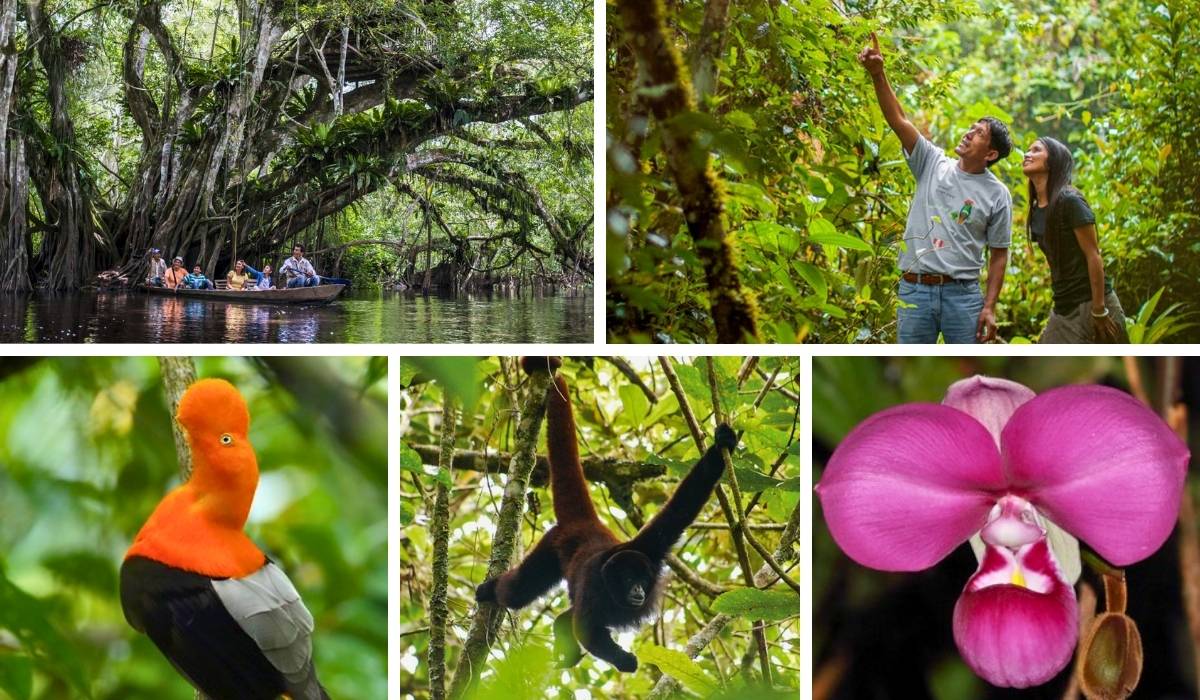
Likewise, this destination is a true natural gem, as it has the highest number of native bird species in the country. In this way, the Alto Mayo Protection Forest becomes one of the top options for bird watching, since the record for the highest number of species observed in a single day was broken here. Some of the most representative birds are the Andean Cock of the Rock, more than 15 varieties of hummingbirds, toucans, and parrots.
In addition, these forests are home to almost a thousand species of orchids, many of them endemic, so, in honor of this ecological wealth, the Orchid Festival is held every year in Moyobamba. For its part, Alto Mayo Peru is also the perfect destination to experience community tourism, with authentic experiences managed by the rural inhabitants themselves that allow you to know the landscapes of Peru from a human and sustainable perspective.
For all these reasons, visiting Alto Mayo is an excellent option to learn about Amazonian orchids with the women of the Shampuyacu community, harvest your own honey from native bees, and taste the organic coffee from the cloud forests. Discover this paradise of well-being, culture, and nature!
Alto Mayo Peru: Location
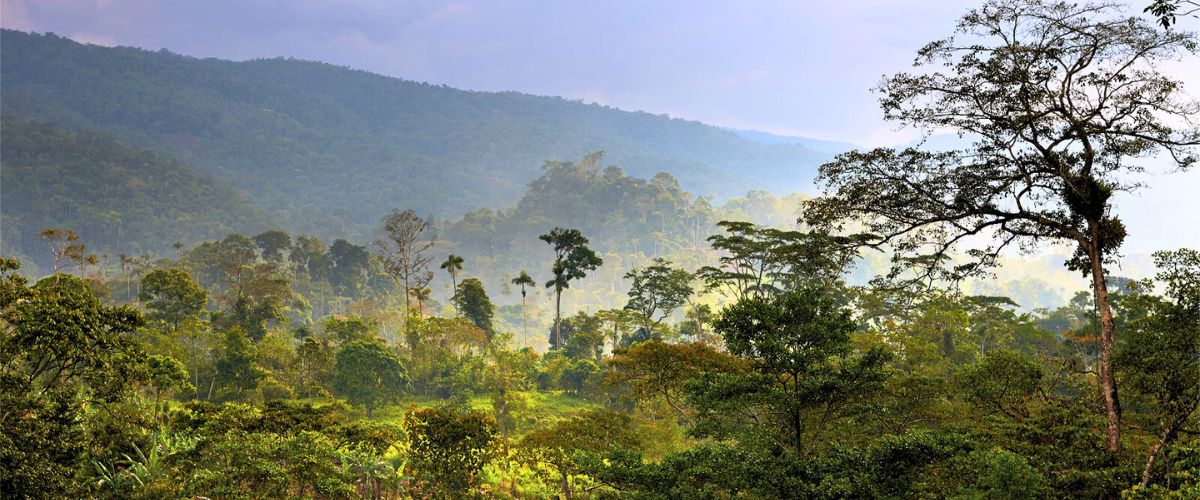
The Alto Mayo Peru destination mainly covers the provinces of Moyobamba and Rioja, located in the far north of the San Martin region. This area is known for being a high jungle valley (or cloud forest), which guarantees green landscapes and a much cooler climate than that of the low jungle.
- Moyobamba: Known as the "City of Orchids", it is the capital of the region and the cultural center of the valley.
- Rioja: Nicknamed the "City of Hats", it stands out for its impressive river sources and natural caves.
Both cities are connected by the Fernando Belaúnde Terry highway and are located at an altitude ranging between 840 and 860 masl, which makes this place one of the best destinations for those seeking adventure without the suffocating heat of the lower areas.
Weather
The weather is very wet, with temperatures between 14 and 19 degrees Celsius. You can visit the BPAM any time of the year, but the best times to see birds are between 6:00 a.m. and 11:00 a.m. The season with less rain is from May to October.
About The Alto Mayo Protection Forest (BPAM)
This place protects the Rainy Mountain Forests in the Northeast of Peru. It is in the Rioja and Moyobamba provinces, in the San Martin region. It was made in 1987 and covers 182,000 hectares. A big part of its land is hills covered with lots of plants, with heights between 900 and 3,400 meters, in a wet and rainy place. It has places like grasslands, dwarf forests, cloud forests, and premontane forests. It has big areas of old forest, known for its many different living things and beautiful views.
In this area, there are special animals like the Andean bear, the yellow-tailed woolly monkey, the jaguar, and the dwarf deer. Also, its forests keep hundreds of types of orchids and other plants that grow on trees, making it special.
The only road that goes through it is the Fernando Belaunde highway, letting people go in to explore and see its natural wonders.
Points of interest:
- Thermal baths of San Mateo
- Oromina Sulfur Baths and Asnacyacu Waterfall
- The Forest of the Nuwas
- Tingana Ecological Reserve
- Source of the Tioyacu River
- Morro de Calzada
- palestinian cave
- Cities and towns of destination Lamas
- Moyobamba
- Rioja
- Healthy Community Miguel Grau
What to visit in Alto Mayo?
Discover tourist places of your interest and build your own route:
1. Paccha waterfalls
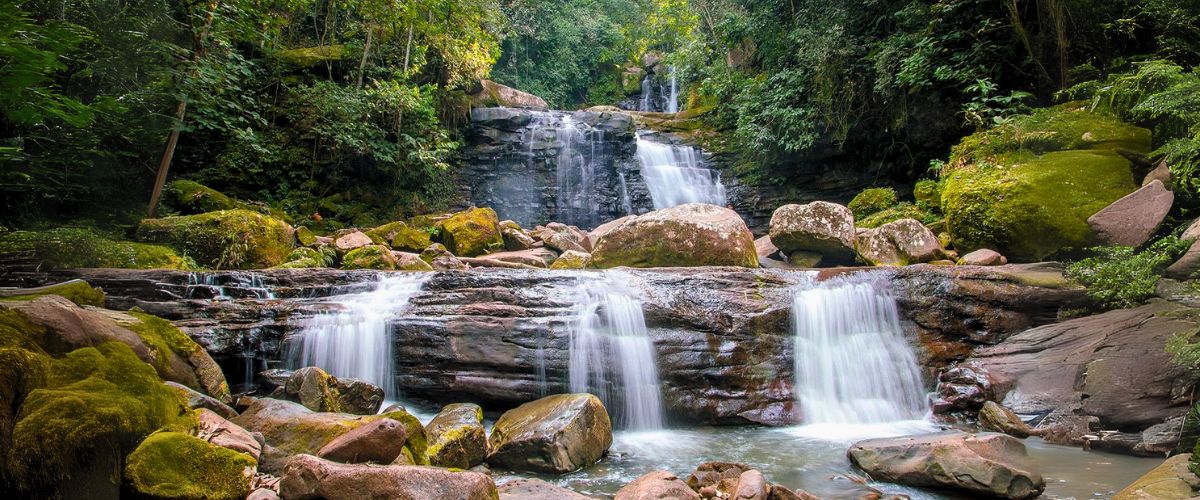
The Paccha Waterfalls are a show of nature made up of several falls that come from a ravine. These are located in the district of Jepelacio, and reaching them involves a hike between rocky hills and rivers.
It is the ideal place to see one of the best landscapes of Peru, as during the journey it is very common to observe colorful birds, highlighting the majestic Andean Cock of the Rock (national bird of Peru). If you are lucky and arrive at dawn, you can witness its mating dance, a show in the treetops.
What to expect at the waterfalls?
The site has four waterfalls, of which three are easily accessible and prepared for the public: Paccha, El Salto del Alcalde and Los Helechos, with heights reaching 30 meters. The fourth waterfall, Peña de Horeb, is reserved for lovers of extreme adventure due to its rough access.
In addition to swimming in its natural pools surrounded by endemic orchids and bromeliads, the place offers excellent services:
- Infrastructure: Parking, restrooms, rest huts with hammocks, and safe stone paths.
- Gastronomy: A restaurant with typical dishes like guinea pig with potato, tacacho with cecina, patacones, and farm chicken soup.
- Souvenirs: A souvenir shop with cold ceramic crafts and personalized details.
Practical Guide for your visit
How to get there? From the city of Moyobamba, take the paved road towards Jepelacio (passing through the San Mateo Thermal Baths). Then, continue on a dirt road towards the town of Shucshuyacu and the community of Pacaypite, until reaching the town center of Nuevo San Miguel. The final stretch by vehicle takes only 5 minutes to the reception. Reference distances:
- Moyobamba - Paccha: 1 hour (31.8 km).
- Rioja - Paccha: 1 hour 30 min (54.9 km).
- Tarapoto - Paccha: 3 hours (142 km).
Highlighted activities:
- Bathing in waterfalls and natural pools.
- Bird watching (especially the Andean Cock of the Rock).
- Nature photography (exotic flora and orchids).
- Hiking and identifying medicinal plants.
- Gastronomic tourism and buying crafts.
2. City of Rioja
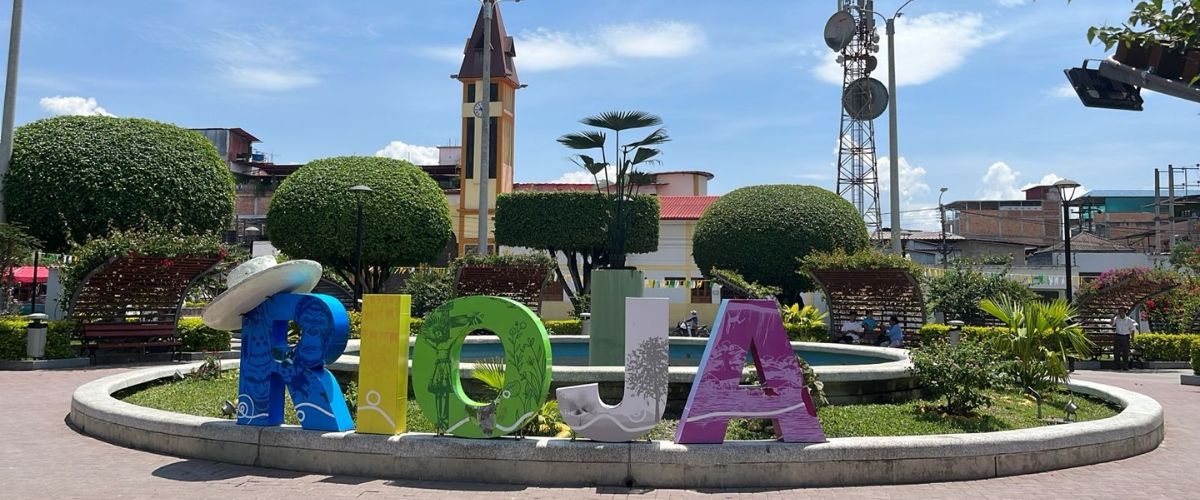
The city of Rioja, together with Moyobamba, forms a cultural axis full of tradition and heritage. It is known as the noble and welcoming “City of Hats”, a title earned thanks to its historical mastery in making hats from bombonera straw.
Nowadays, Riojan crafts are a pillar of its identity; therefore, if you are looking for an authentic souvenir, the best sales points are located near the transport terminal, in front of the university, and around the Main Square. Additionally, you can find the mythical Riojan masks, stars of the "Riojan Devils" during the Rioja Carnival, an event that establishes the city as the Carnival Capital of the Peruvian Amazon.
Local Gastronomy
Gastronomy is another of the treasures of this land. You cannot leave without trying the authentic Riojan Avispa Juane, a delicious dish of rice and meat wrapped in bijao leaves, perfect to take as a cold snack. Pair it with humitas, tamales, and a refreshing Riojan chicha.
Culture and Nature
For lovers of religious and mystical tourism, visiting the Chapel of the Holy Christ of Bagazán in the Main Square is a good option. It houses the miraculous image originally found in a cave two days' walk away, a place that remains a pilgrimage point today.
From Rioja, the geography opens the way to unmatched landscapes of Peru. The city is the gateway to wonders such as:
- Source of the Tioyacu River: Cold and turquoise waters.
- Santa Elena Ecological Reserve: A flooded ecosystem full of wildlife.
- Palestine Cave: For lovers of caving.
Practical Guide for your visit
How to get there? From Tarapoto, follow the Fernando Belaúnde Terry highway passing through Moyobamba. The route is direct and in very good condition. If you do not have your own vehicle, there are constant shared car services and minivans that depart from Tarapoto and Moyobamba. Reference distances:
- Tarapoto – Rioja: 135 km (2h 20min).
- Moyobamba – Rioja: 25 km (30 min).
Highlighted activities:
- Cultural tourism: Visit to weaving workshops and buying crafts.
- Gastronomy: Avispa Juane picnic on the shores of the Tónchima River.
- Photography: Capture colonial architecture and traditional masks.
- Religion and Mystery: Visit to the Chapel of Christ of Bagazán.
3. Moyobamba City
Talking about Moyobamba means referring to a heavenly corner in the Alto Mayo valley. Known as the "City of Orchids", this place stands out for its impressive biodiversity and for the tradition of its people of growing exotic flowers in their own gardens. Being the capital of the San Martín region, it offers a unique charm: it is the only city in the Peruvian jungle that has natural ravines crossing its urban area and spectacular viewpoints known as "Puntas."
Recommended Tour of the City
To make the most of your visit this 2026, we suggest this walking itinerary:
- Main Square and Cathedral: The starting point with its characteristic colonial architecture.
- Punta de San Juan: A viewpoint in the Zaragoza neighborhood ideal for watching the Mayo River winding through the valley.
- Port of Tahuishco: Go down the stairs towards the lower part of the city to enjoy a relaxing boat ride on the river waters.
- Punta de Tahuishco: Go up again to observe birds (toucans, hummingbirds) and monkeys, such as the endemic titi monkey or the squirrel monkeys.
- Amazonian Orchids Nursery: Located at the end of the pedestrian boulevard, it is the perfect place to learn about bromeliads and aromatic plants.
- San Martín Departmental Museum: Do not miss the replicas of Gran Pajatén and the funeral urns of Chazuta to understand the ancient history of the region.
Flavors of the High Jungle
Get your energy back with the typical sweets sold at the viewpoints: cassava donuts, peanut nougat, or a refreshing fig chicha. For lunch, Moyobamba offers the greatest variety of juanes (made of chicken, heart of palm, or cassava) and the exquisite inchicapi (chicken soup with peanuts and corn).
Practical Guide for your visit
How to get there? From Tarapoto, take the Fernando Belaúnde Terry highway heading towards Pedro Ruiz. The trip is approximately 1 hour and 50 minutes. There are many "shared car" companies that leave every few minutes from their terminals in Tarapoto. Reference distances:
- Tarapoto – Moyobamba: 112 km (1h 50min).
- Rioja – Moyobamba: 25 km (30 min).
Highlighted activities:
- Panoramic views: Tour of the "Puntas" (San Juan, Tahuishco, Doñe).
- Botany: Visit to specialized orchid gardens.
- Culture: Tour of the Departmental Museum and the Cococho hanging bridge.
- Nature: Watching monkeys and birds in the middle of the city.
The Forest of the Nuwas
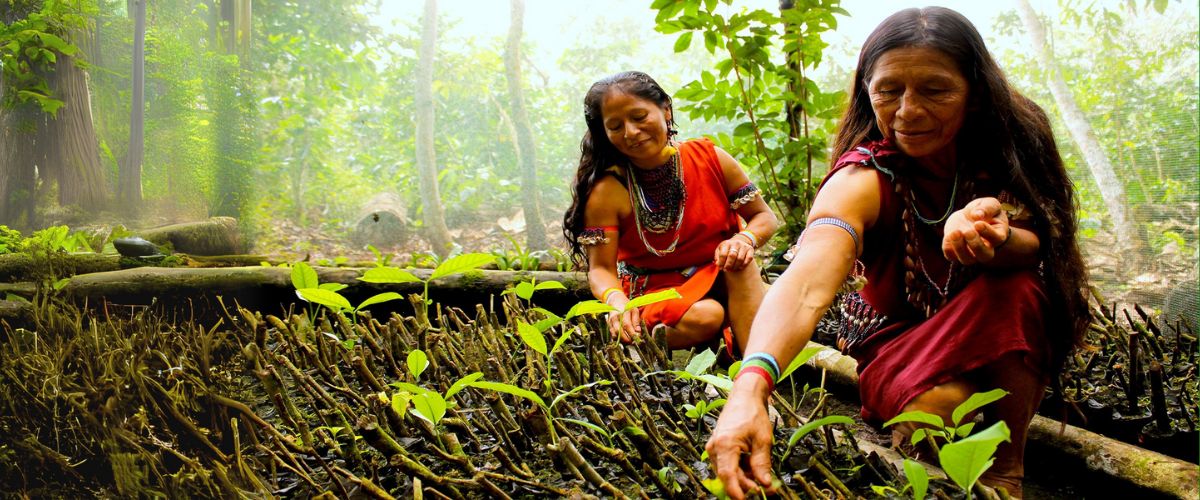
Located in the heart of Alto Mayo Peru, the Nuwas Forest is a community tourism project that lets you know the ancient customs of the Shampuyacu native community. In an area of 8.9 hectares, this project stands out for being a rural business with a focus on gender, led by Awajún women who have rescued the ancient knowledge about growing and using medicinal plants.
Upon arrival, you will be welcomed by the Nuwas dressed in their traditional reddish outfits and decorated with colorful seeds. The warmth is immediate: it is very likely they will invite you to their "maloca" (traditional house), paint your face as a symbol of welcome, and give you traditional necklaces. The experience begins with a walk along paths of native trees to a reception area where you will taste exotic fruits while listening to the story of their struggle to save the forest.
A connection with the earth and wisdom
The tour continues crossing a rustic bridge over the Túmbaro river until reaching their cultivation areas. Seeing the Nuwas walking barefoot, interacting with the plants as if they were talking to them, is a testimony to their deep Amazonian vision. The forest houses more than 100 varieties of traditional plants that these women protect carefully. To finish, you will enjoy a typical lunch and a farewell dance to the sound of drums made from tree trunks.
Practical Guide for your visit
How to get there? The Nuwas Forest is located in the community of Shampuyacu. From Rioja, you must go to the Naranjillo district (5 minutes). From there, take a dirt road for about 15 minutes until finding the turn to the left that leads to the forest entrance. Reference distances:
- Rioja - Nuwas Forest: 1 hour.
- Moyobamba - Nuwas Forest: 1 hour 30 min.
- Tarapoto - Nuwas Forest: 3 hours 30 min.
Highlighted activities:
- Medicinal Plants Interpretive Route: Learn about the healing power of the jungle.
- Experiential Tourism: Participate in typical dances and ancient face painting.
- Crafts: Buy handmade textiles and seed necklaces.
- Ethno-tourism Photography: Capture the essence of the Awajún culture.
How to get to Alto Mayo?
You can go from the Belaunde Highway, but it's better to fly to Tarapoto and then take a taxi or public transport to kilometer 382 of the Chiclayo - Tarapoto highway. After going through the town of Aguas Verdes, you enter the Alto Mayo Protection Forest (BPAM).
Another way from Tarapoto is to take a vehicle from the "Turismo Selva SA" company, which has routes to Chachapoyas or Bagua. You also get off at kilometer 382 to enter the sanctuary.
If you start from Moyobamba, you can take a shared taxi from the "Evangelio Poder de Dios" line, which also goes to Chachapoyas, with the same stop at kilometer 382.
These public transport services run about every three hours, between 8:00 a.m. and 6:00 p.m.

Best Tours in Peru
Many are the routes that take you to Machu Picchu, but none is like the Inca Trail Tours, the most famous pedestrian path in the Americas. After flying from the capital of Perú, Lima, you will arrive in Cusco to walk for four days along a path through forests and dense fog, millenary stone steps and discovering the ruins of ancient fortifications and Inca cities, and all the time enjoying majestic views.
- Peru Adventure Holidays
- Enigmatic Peru
- Peru Full of Adventures
- Peru Luxury Travel
- Peruvian Highlands
- Discover Peru
Inca Trail, Machu Picchu and more
- Salcantay Trek Peru to Machu Picchu 5 days
- Palcoyo Mountain Tour
- Cusco to Manu Tour
- Humantay Lake Day Trip
- Huchuy Qosqo Day Hike
- Llactapata Inca Trail to Machu Picchu
- Apurimac River Rafting
- Vilcabamba Trek to Machu Picchu
- Inti Raymi and Machu Picchu Tour
If you want to visit Machu Picchu, we recommend you to book your Machu Picchu Ticket in advance, so you will enjoy your Vacation in Machu Picchu without any problem.


