

Machu Picchu put Peru on the map. However, the country has never relied on just one wonder to impress the world. After the Inca citadel earned its place among the New Seven Wonders of the World, Peru created its own list of seven extraordinary sites that most travelers never see. These include ancient coastal cities, mysterious desert geoglyphs, high-altitude stone forests, and sacred lakes. This is the Peru that goes beyond the postcard. Below is the complete list of the seven official wonders of Peru and what makes each one worth the journey.
1. The Nazca Lines: Mystery and Ancient Geoglyphs in Ica
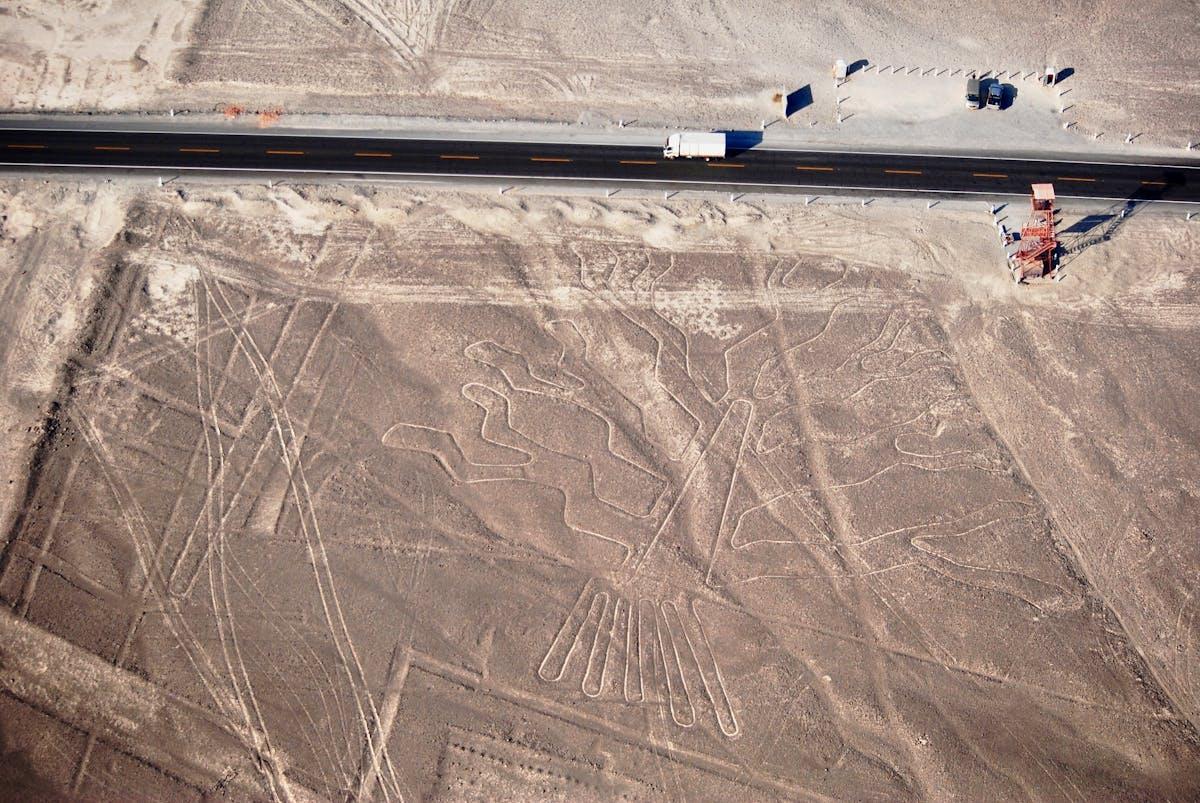
The Nazca Lines, located in the arid coastal desert of southern Peru, remain one of the world's most fascinating archaeological enigmas. Created by the Nazca culture between 500 BCE and 500 CE, these massive geoglyphs continue to baffle scientists and travelers alike.
- Location & Landscape: These ancient wonders are etched into the vast Pampas de Jumana in the Ica region. A layer of reddish-brown, iron-oxide-coated pebbles covers the surface. The Nazca people created these figures by removing the top layer to reveal the light-colored sand beneath.
- The Scale of the Wonder: The archaeological site spans an immense 450-square-kilometer (174-square-mile) area. It contains more than 800 straight lines, 300 geometric shapes, and 70 stunning zoomorphic and phytomorphic designs.
- Iconic Figures: Some of the most famous shapes include the Hummingbird, the Monkey, the Spider, the Condor, and the mysterious "Astronaut." Some of these figures are over 200 meters (660 feet) long, which makes them impossible to fully appreciate from the ground.
- A Scientific Mystery: Theories about their purpose range from serving as an astronomical calendar to being sacred paths for water-related rituals. The region's extreme dryness and lack of wind have preserved them.
- Status & Preservation: These fragile lines have been recognized as a UNESCO World Heritage Site since 1994, but they face modern threats. Unfortunately, the construction of the Pan-American Highway cut through some of the figures, and unauthorized off-road vehicle traffic continues to pose a challenge to their conservation.
- How to Visit: To fully experience this wonder, take a scenic flight from the Nazca or Pisco airfields. Seeing these massive designs from above is a transformative experience that makes a trip to Peru unforgettable.
2. Lake Titicaca: The world's highest navigable lake in Puno.
Lake Titicaca, located in the vast Andean Altiplano on the border between Peru and Bolivia, is a majestic natural wonder. At an elevation of 12,507 feet (3,812 meters) above sea level, it holds the prestigious title of the highest navigable lake in the world.
- Geography & Scale: This immense body of water spans over 8,300 square kilometers. It is divided into two main sub-basins that are connected by the Strait of Tiquina.
- Lake Chucuito (Greater Lake): The northernmost and deepest part covers 6,450 km² and reaches depths of 284 meters.
- Lake Huiñamarca (Smaller Lake): The southern part covers 2,112 km² and is characterized by its shallow waters and numerous small islands.
- The Birthplace of the Sun: According to Andean mythology, Lake Titicaca is the birthplace of the Inca Empire. According to legend, Manco Cápac and Mama Ocllo emerged from the lake to found the city of Cusco.
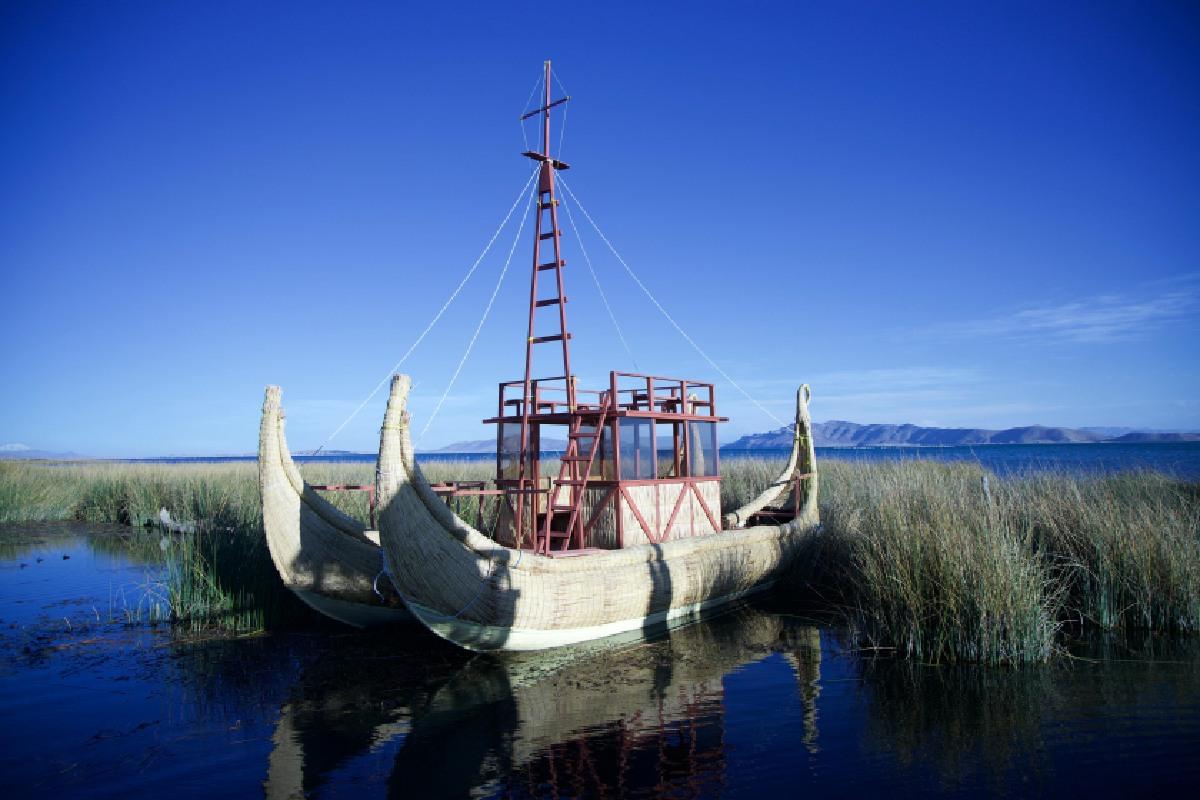
- Living Cultures: The lake is famous for its "floating" islands. The Uros people have built and maintained their own islands using totora reeds for centuries. Additionally, islands such as Taquile and Amantaní offer visitors a chance to experience the authentic culture of the Quechua people, who are famous for their world-class textile arts, recognized by UNESCO.
- A Biodiversity Sanctuary: In addition to its cultural richness, Lake Titicaca is home to unique species such as the Titicaca grebe and the giant Titicaca water frog. This makes the lake a vital ecosystem for conservation in the high Andes.
3. Huayllay Stone Forest: The largest geological wonder in Pasco
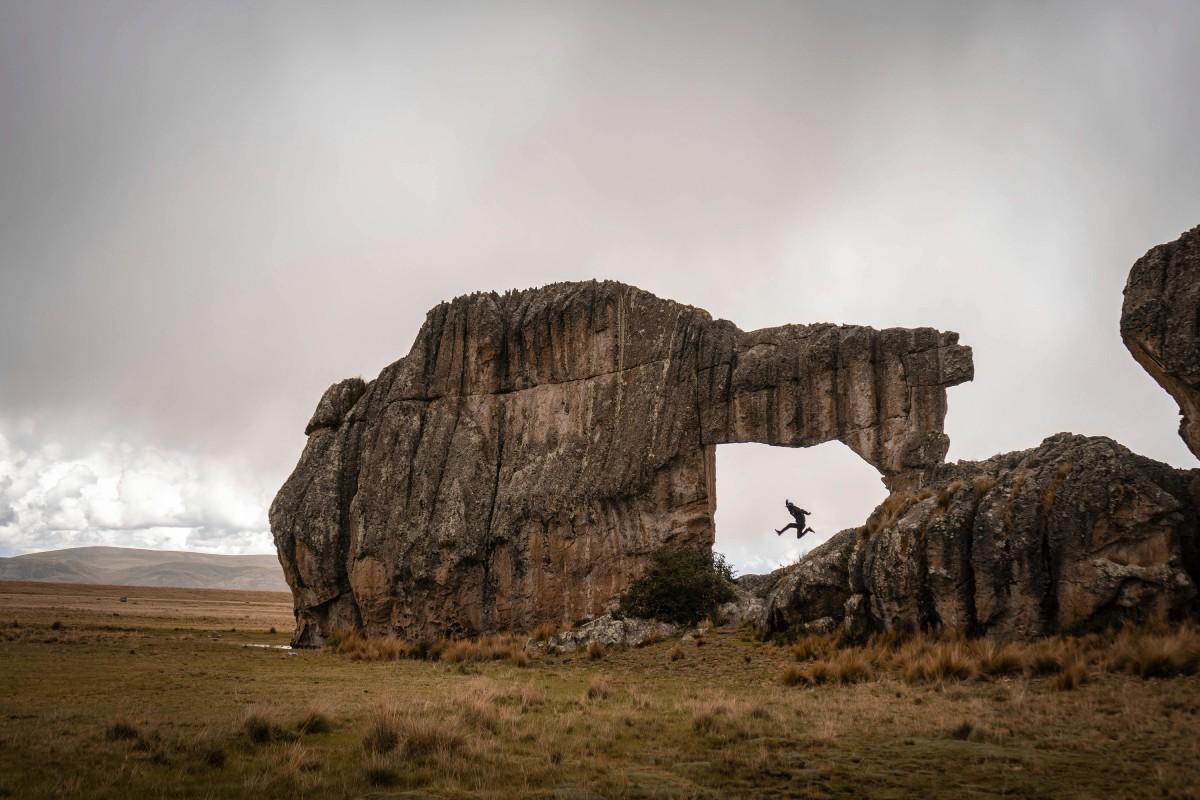
Huayllay, often described as a "geological museum of the world," is one of the most spectacular natural wonders of the Peruvian central highlands. This massive field of rock formations resembles a frozen stone city.
- Location & Altitude: This natural wonder is located in the Huayllay District of the Pasco Region, in the heart of the Bombón Plateau. At a staggering altitude of 4,310 meters (14,140 feet) above sea level, it is one of the highest stone forests on the planet.
- The Wonder of Nature: The site spans an immense 6,815 hectares (over 16,800 acres). Over millions of years, the relentless erosion of wind, rain, and glaciers sculpted these gigantic volcanic rock formations. The result is a labyrinth of stones that resemble giants, animals, and objects.
- A Place for Imagination: Exploring Huayllay requires a keen eye. Visitors may spot famous formations such as "The Elephant," "The Alpaca," "The Sphinx," and "The Monk." With each turn, a new silhouette emerges that seems to have been intentionally carved by a master artist.
- Climate & Environment: The region has a frigid and dry climate typical of the Andean tundra. Temperatures can fluctuate dramatically, dropping to -8°C (17.6°F) at night and rising to 13.8°C during the day. Despite the harsh weather, the area has a rich history and houses ancient rock paintings that prove humans have revered this sacred landscape for millennia.
- Nearby Attractions: After spending the day trekking through the cold stone forest, visitors can find relief at the nearby thermal baths of La Calera, which are famous for their medicinal properties.
4. Gran Pajatén: The Hidden Chachapoyas Jewel in the High Jungle
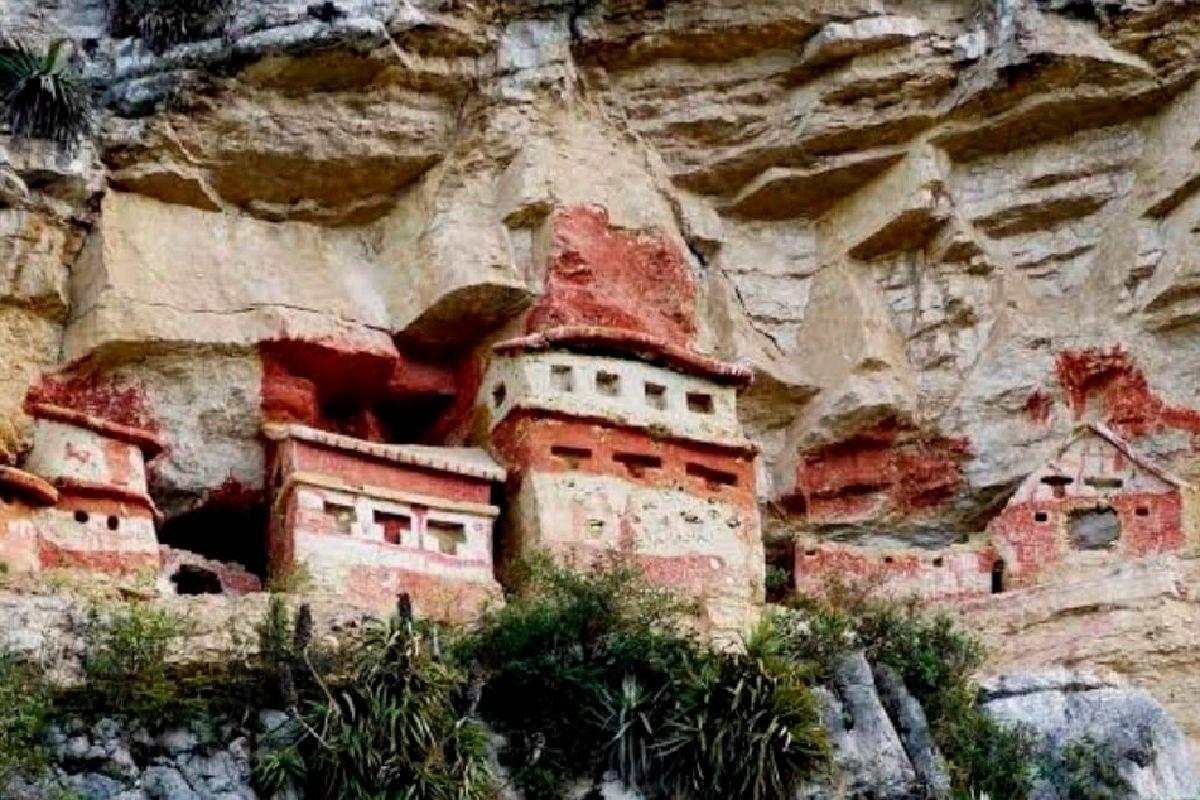
Tucked away in the cloud forests of the Rio Abiseo National Park is Gran Pajatén, an archaeological wonder that highlights the architectural prowess of the Chachapoyas culture, also known as the "Cloud Warriors."
- Precise Location & Geography: This enigmatic site sits at an elevation of 9,350 feet (2,850 meters) above sea level on a narrow, crescent-shaped plateau in the Abiseo River basin. Politically, it is located in the Huicungo district of the Mariscal Cáceres province in the San Martín region, though it is historically linked to the La Libertad region.
- The Wonder of the High Jungle: Gran Pajatén is unique in that it is one of the few major archaeological sites located in a high-altitude rainforest. To protect its fragile ecosystem and structures, access is extremely restricted, making it one of the most mysterious and untouched sites in the world.
- Distinctive Architecture: The complex is famous for its circular stone buildings, which feature elaborate decorative friezes. The friezes consist of slate mosaics depicting human figures with bird-like features and geometric patterns. This style is emblematic of the Chachapoyas culture and reflects their profound spiritual connection to the earth and sky.
- UNESCO World Heritage: Since 1990, UNESCO has recognized it as a World Heritage Site due to its cultural and natural significance. It serves as a vital bridge between the history of the Andes Mountains and the biodiversity of the Amazon rainforest.
5. Marcahuasi Plateau: Stone Forest and Mysticism near Lima
Marcahuasi, a mysterious volcanic plateau located high in the Andes east of Lima, sits at an impressive altitude of nearly 4,000 meters (13,123 feet) above sea level. This approximately 4-square-kilometer plateau is shrouded in mystery.
- Location & Access: This wonder is located in the highlands of the Huarochirí province, near the village of San Pedro de Casta. Its stunning panoramic views and ethereal atmosphere make it a favorite destination for adventure seekers and trekkers.
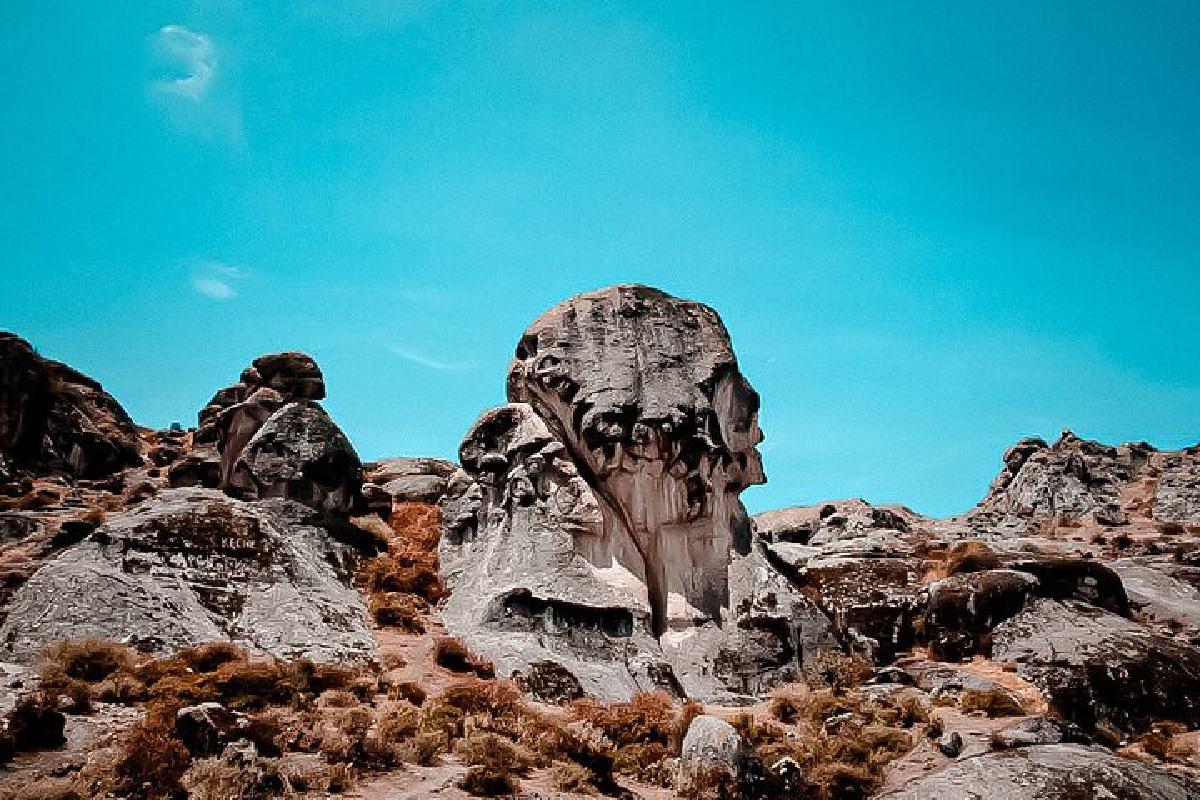
- The Mystery of the Rocks: Marcahuasi is world-famous for its massive granite boulders, which have been sculpted by wind and rain over millennia. These natural formations have taken on the appearance of "enigmatic figures," which require a bit of imagination to fully appreciate. The most iconic formation is the Monument to Humanity (Peca Gasha), a gigantic rock that reveals a clear human profile when viewed from certain angles. Other notable formations include The Prophet, The Alchemist, and animal shapes such as turtles and elephants.
- Archaeological Heritage: The plateau beyond the rock formations holds historical significance. It contains the remains of three ancient citadels and pre-Inca burial sites known as chullpas. According to renowned archaeologist Julio C. Tello, these structures belonged to the Huanca culture. This proves that the plateau was once a vital strategic and sacred center.
- An Energetic Center: Many visitors consider Marcahuasi to be an "energetic vortex" and one of the best places in Peru for stargazing and camping overnight, thanks to the Andean sky's absolute clarity.
6. Marcahuamachuco: The "Machu Picchu of the North" in La Libertad
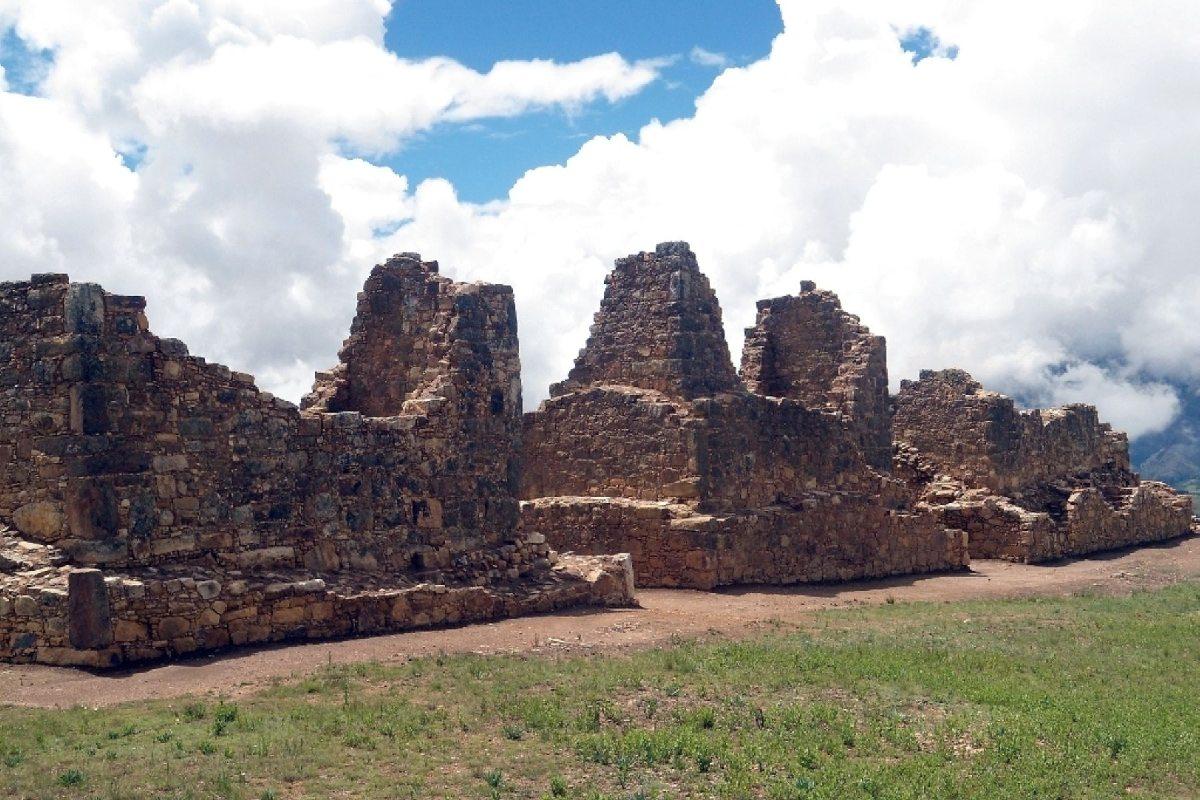
Marcahuamachuco, often called the "Machu Picchu of the North" or "The Jewel of La Libertad," is one of the most impressive archaeological sites in the Peruvian Andes.
- Precise Location: The citadel is located in northern Peru, specifically in the Sánchez Carrión Province of the La Libertad Region. The citadel sits atop the majestic Cerro Marcahuamachuco, overlooking the modern town of Huamachuco. It sits at an impressive altitude of 3,700 meters (12,140 feet) above sea level.
- The Wonder: This site predates the Incas and was a dominant political and religious center from 400 to 1000 CE. Its massive, circular stone walls, some of which reach up to 15 meters in height, and its double-walled galleries, which served as administrative and elite residential quarters, make it unique.
- Architectural Significance: Unlike many other sites, Marcahuamachuco was built by the Huamachuco culture and shows influences from the Wari and Moche civilizations. The site's sheer scale and strategic location on a high-altitude plateau offer breathtaking, 360-degree views of the Andean landscape.
7. Chan Chan: Exploring the Largest Adobe City in the Americas
The name Chan Chan comes from the Quechua language and means "Shining Sun." It was the majestic capital of the Chimú culture, also known as the Chimor Empire, and it remains a masterpiece of ancient urban design.
- Detailed Location: Chan Chan is located on the desert coast of northern Peru, just five kilometers (three miles) northwest of the city of Trujillo in the La Libertad region. Spanning approximately 20 square kilometers, it lies between the Pacific Ocean and the Moche Valley.
- The Wonder: It holds the title of the largest adobe city in the Americas and the second largest in the world. This vast metropolis was the administrative and religious center of the Chimú civilization before the Incas conquered them.
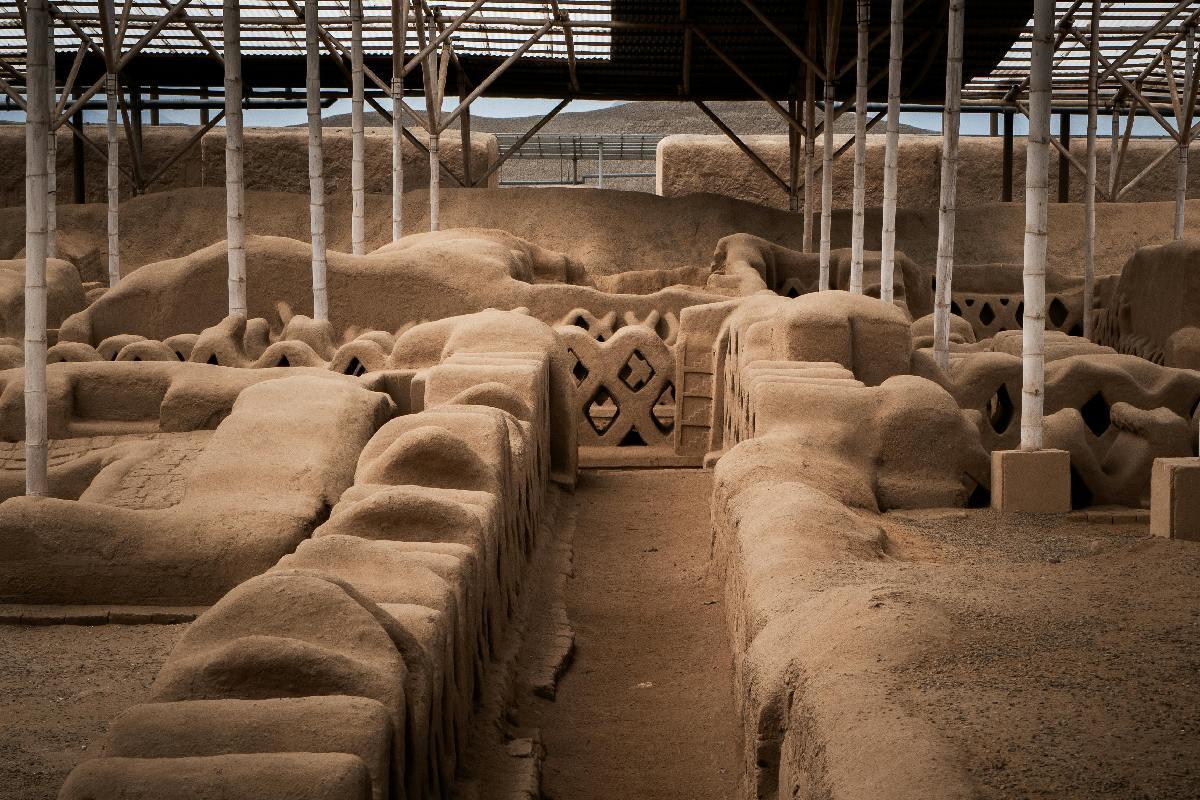
- Architectural Mastery: The complex consists of nine massive, walled citadels, or palaces. Built entirely of sun-dried mud bricks (adobe), these walls are world-famous for their intricate friezes. The high-relief carvings depict geometric patterns, seabirds, fish, and maritime symbols, reflecting the culture's deep connection to the ocean.
- UNESCO Status: It has been recognized as a UNESCO World Heritage Site since 1986 but is currently on the "List of World Heritage in Danger" due to its fragile nature and the impact of El Niño weather patterns. Exploring its labyrinthine corridors is like stepping back into the golden era of coastal civilization.
Plan your adventure with Tierras Vivas.
Peru has many wonders beyond the famous Machu Picchu. Visiting these sites is a once-in-a-lifetime experience that allows you to connect with ancient history and untamed nature.
Are you ready to explore? Contact Tierras Vivas, your trusted travel experts, to plan the perfect itinerary and uncover the hidden gems of our beautiful country.


