

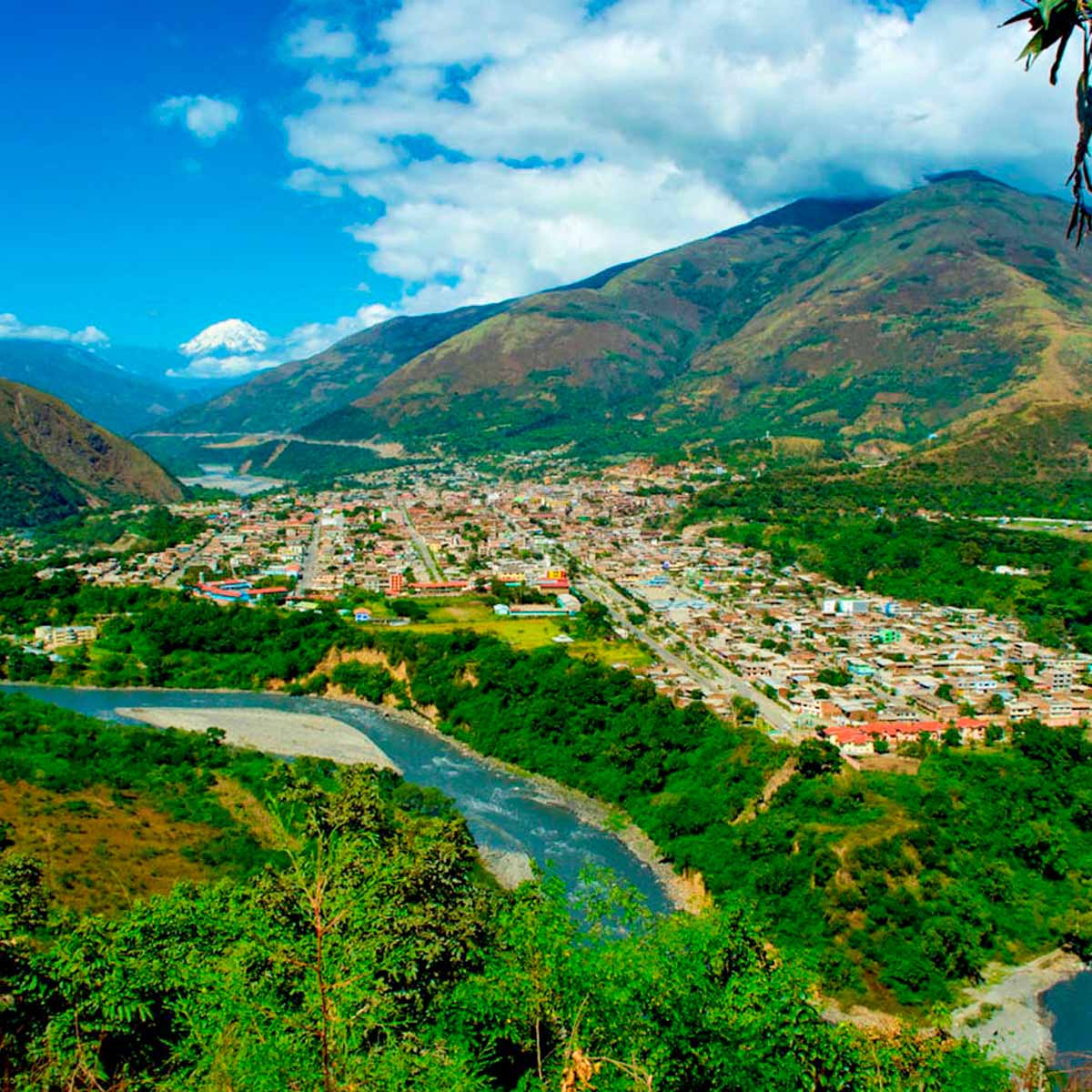
Arequipa is a city in southern Peru known as the White City because of sillar, a light-toned volcanic stone with which many of its churches, mansions, and portals were built. Its historic center, declared a World Cultural Heritage site by UNESCO, preserves that colonial architecture around the Plaza de Armas. From its streets, you can see the Misti, Chachani and Pichu Pichu volcanoes, which form part of the city's daily landscape.
Why is Arequipa an option to visit in southern Peru? The answer lies in what it gathers in a single place: colonial heritage, one of the most recognized regional cuisines in the country, and countryside landscapes, volcanoes, and canyons just a few hours from the center. You can explore the main spots on foot, and also take day trips to nearby areas.
In this guide you will find the attractions of the historic center, the viewpoints with the best views, the museums worth visiting, and nearby places to get out of the city. We also include traditional dishes you should try, one to three-day itineraries, and practical tips on how to get there, the best time to travel, and altitude, so you can organize your trip without surprises.
Getting to know the city of Arequipa
Arequipa, capital of the department of the same name, is located in the Chili River valley and has a history that goes back to pre-Inca populations. The city was founded by the Spaniards on August 15, 1540, and during the colonial era, it became an important religious and commercial center. From this period, buildings like the Cathedral, the Church of the Society of Jesus, and the Santa Catalina Monastery stand out, many of them built with volcanic stone.
In the 19th century, the arrival of the railway connecting Arequipa with Mollendo and Puno boosted trade and strengthened its importance in southern Peru. Despite earthquakes that have affected and forced the rebuilding of part of its architecture, the city continued to grow to become one of the most populated in the country and one of Peru's main tourist destinations.
Where is Arequipa located and what is its geography like?
Arequipa is located in southern Peru, in the Chili River valley, at about 2,335 meters above sea level. It is a moderate altitude compared to Cusco or Puno, so most visitors tolerate it better, although some may notice the first effects of altitude.
Three volcanoes surround the city and form part of its daily landscape:
- Misti: Around 5,822 m. It is the closest and the one seen from the Plaza de Armas.
- Chachani: Around 6,057 m. It is the highest of the three and one of the most popular ascents in the region.
- Pichu Pichu: Around 5,664 m. It is located southeast of the city.
From Arequipa, you can also access destinations like the Colca Canyon, a few hours away by road.
Why is it called the White City?
The nickname comes from sillar, a light-colored volcanic rock used to build churches, convents, mansions, and archways. It is a light and easy-to-carve stone, and its whitish tone gives the center's facades a uniform appearance. Nearby volcanoes are the source of this material, which was extracted from local quarries, such as those in Añashuayco.
About Arequipa's Weather
Arequipa has a dry and sunny climate, with few rains during the year. Two seasons can be distinguished:
- Dry season: With clear skies and little rain. Days are sunny and nights are cold, especially between June and August.
- Rainy season: Where there is precipitation, usually in the afternoon. In the city rains are usually moderate, although they can affect trips to higher areas.
During the day, temperatures are usually pleasant, around 20 °C or slightly more. The difference with the night is noticeable, so it is advisable to bring a warm layer.
Tourist attractions of Arequipa (historic center)
Most attractions in the historic center are located a few blocks from the Plaza de Armas, so they can be explored on foot in one or two days, depending on how much time you dedicate to each visit.
Plaza de Armas and Cathedral of Arequipa
The Plaza de Armas is the natural starting point to get to know the city. It is surrounded by portals with sillar arches on three of its sides, and in the center there is a fountain with a bronze figure known as the Tuturutu.
The Cathedral occupies the entire north side of the plaza, something unusual in Peru. The original temple was built in the 17th century and has been rebuilt several times after fires and earthquakes, so the current building corresponds largely to the 19th century.
Santa Catalina Monastery
Founded in 1579 by the widow María de Guzmán, the Santa Catalina Monastery housed cloistered Dominican nuns for centuries. It functions as a small city within the city: it has streets, small squares, cells, a cloister, and common areas such as the kitchen and laundry area.
The monastery was opened to the public in 1970 and today is one of the most visited places in Arequipa. It is best to reserve at least two hours for the tour, either on your own or with a guide.
Church of the Society of Jesus
The Jesuit church is located one block from the Plaza de Armas. Its construction began in the 16th century, but the building seen today was erected mainly in the 17th century, after earthquake damage.
Inside, the Chapel of San Ignacio stands out, decorated with paintings of jungle flowers and birds. To one side of the church are the cloisters, with sillar courtyards where craft shops and cafes operate today.

Museum of Andean Sanctuaries
The museum, belonging to the Catholic University of Santa María, displays objects and remains found in high-altitude rituals from the Inca era. Its best-known piece is Juanita the Mummy, an Inca girl found in 1995 in the heights of the Ampato snow-capped mountain, attributed an age of about 500 years.
The visit is guided and lasts approximately one hour. It includes an introductory video, the exhibition of offerings, ceramic pieces, textiles, and metal objects, and finally the mummy conservation room.
Colonial mansions
In addition to the temples, Arequipa preserves several 18th and 19th-century mansions that show how the city's elite lived. Two of the best known are:
- Casa del Moral: Its sillar doorway, in mestizo baroque style, has a coat of arms and sculpted pumas. Inside, you can tour several rooms with period furniture and objects.
- Casa Ricketts: Built in the 18th century, it has a doorway with some of the most detailed sillar carvings in the historic center.
San Lázaro Neighborhood
San Lázaro is considered one of the oldest neighborhoods in Arequipa. It is made up of narrow, steep streets with low sillar houses, and is best explored on foot and unhurriedly, preferably in the morning or late afternoon when there are fewer people. Small cafes, galleries, and restaurants are found here, as well as good views of the old town's rooftops.
-----------------
Plaza de Armas and Cathedral of Arequipa
The Plaza de Armas is the natural starting point to get to know the city. It is surrounded by portals with sillar arches on three of its sides, and in the center there is a fountain with a bronze figure known as the Tuturutu. In the afternoons it fills with locals and visitors, and from balcony restaurants you have a good view of the square and, in the background, the Misti volcano.
The Cathedral occupies the entire north side of the plaza, something unusual in Peru. The original temple was built in the 17th century and has been rebuilt several times after fires and earthquakes, so the current building corresponds largely to the 19th century. Inside, the pulpit and organ stand out, both of European origin. Some visits include access to the rooftop, from where you can see the plaza and the volcanoes.
Santa Catalina Monastery
Founded in 1579 by the widow María de Guzmán, the Santa Catalina Monastery housed cloistered Dominican nuns for centuries. It functions as a small city within the city: it has streets, small squares, cells, a cloister, and common areas such as the kitchen and laundry area. Several of its streets bear names of Spanish cities, like Seville, Toledo and Granada.
The monastery was opened to the public in 1970 and today is one of the most visited places in Arequipa. It is best to reserve at least two hours for the tour, either on your own or with a guide. On some days a night visit with candle lighting is offered, which is worth checking out when planning the itinerary.
Church of the Society of Jesus
The Jesuit church is located one block from the Plaza de Armas. Its construction began in the 16th century, but the building seen today was erected mainly in the 17th century, after earthquake damage. Its facade is a good example of Arequipeño mestizo baroque: the sillar carving combines European motifs with elements of Andean flora and fauna.
Inside, the Chapel of San Ignacio stands out, decorated with paintings of jungle flowers and birds. To one side of the church are the cloisters, with sillar courtyards where craft shops and cafes operate today.
Museum of Andean Sanctuaries (Juanita the Mummy)
The museum, belonging to the Catholic University of Santa María, displays objects and remains found in high-altitude rituals from the Inca era. Its best-known piece is Juanita the Mummy, an Inca girl found in 1995 in the heights of the Ampato snow-capped mountain, attributed an age of about 500 years.
The visit is guided and lasts approximately one hour. It includes an introductory video, the exhibition of offerings, ceramic pieces, textiles, and metal objects, and finally the mummy conservation room. Juanita is not always on display, as the museum rotates mummies for conservation reasons, so it is advisable to confirm before visiting if she will be visible.
Colonial mansions: Casa del Moral and Casa Ricketts
In addition to the temples, Arequipa preserves several 18th and 19th-century mansions that show how the city's elite lived. Two of the best known are:
- Casa del Moral: Its name comes from a mulberry tree (moral) that was in the courtyard. Its sillar doorway, in mestizo baroque style, has a coat of arms and sculpted pumas. Inside, you can tour several rooms with period furniture and objects.
- Casa Ricketts (also known as Casa Tristán del Pozo): Built in the 18th century, it has a doorway with some of the most detailed sillar carvings in the historic center. Today you can visit its courtyards and some spaces, according to current schedules.
Both are a few blocks from the Plaza de Armas and can be combined with visits to the Cathedral and the Church of the Society.
San Lázaro Neighborhood
San Lázaro is considered one of the oldest neighborhoods in Arequipa. It is made up of narrow, steep streets with low sillar houses, and is best explored on foot and unhurriedly, preferably in the morning or late afternoon when there are fewer people. Small cafes, galleries, and restaurants are found here, as well as good views of the old town's rooftops.
Viewpoints and neighborhoods with views
Arequipa is surrounded by volcanoes and farmlands, and several of its high neighborhoods offer good views. These points can be visited in half a day and combine well with a visit to the historic center.
- Yanahuara Viewpoint: Yanahuara is a residential district a few minutes from the center, and its viewpoint is one of the most visited in the city. It is formed by a gallery of sillar arches overlooking the countryside, with the Misti volcano in the background and the old town's rooftops in the foreground.
- Carmen Alto Viewpoint: Carmen Alto is farther from the center than Yanahuara and receives fewer visitors, so it is usually a quieter place. From here you have a wide view of the city and the three volcanoes: Misti, Chachani and Pichu Pichu.
- Arequipa Countryside and Chilina: The countryside is the agricultural area surrounding the city, in the Chili River valley. It is characterized by its green fields and farming terraces, which contrast with the arid surrounding slopes. Products such as corn, potatoes, onions, and others used in Arequipeño cuisine are grown here.
Natural attractions and nearby day trips
Arequipa is a good starting point to explore landscapes of volcanoes, nature reserves, agricultural valleys, and canyons. Some of these places can be visited in half a day from the city; others require one or more days.
Misti and Chachani Volcanoes
Misti and Chachani are visible from several points in Arequipa. Misti, at around 5,822 m, is the closest and the one that appears behind the Plaza de Armas and the Yanahuara and Carmen Alto viewpoints. Chachani, at around 6,057 m, is seen to the northwest and is the highest of the three volcanoes surrounding the city.
Both can be climbed with local agencies and guides:
- Misti: The ascent is usually done in two days, with a night at a base camp and the climb to the summit in the early morning. It is a demanding hike due to the altitude and the loose ash terrain.
- Chachani: It is also normally done in two days and does not require climbing techniques on its most common route, but it does require good acclimatization, as it exceeds 6,000 m. It is one of the best-known options for those who want to climb a 6,000-meter peak without technical experience.
For either of the two, it is best to go with a formal agency, spend one or two previous days in Arequipa to acclimate, and ask about the volcano's status and weather conditions before leaving. Those who do not wish to reach the summit can visit the lower areas or take shorter guided hikes.
Salinas and Aguada Blanca National Reserve
This reserve protects a broad altiplano area between Arequipa, Moquegua and Puno. The landscape combines high-Andean grasslands, lagoons, wetlands, and volcanoes. It is a habitat for vicuñas, llamas, and alpacas, and in some lagoons birds like Andean flamingos can be seen.
Many visitors explore it in transit when going from Arequipa to the Colca Canyon, as the highway crosses part of the reserve. Along the route there are usually stops at high viewpoints to see vicuñas and volcanoes, reaching altitudes that can cause dizziness or headache. For this reason, it is recommended to bring warm clothes, water, and sun protection, and to avoid physical exertion at the highest points.
Sabandía Mill and Characato Town
The Sabandía Mill is a hydraulic sillar mill in the Sabandía district, a short distance from the city. It was built in the 17th century, and still preserves its water mechanism, which can be seen working. The site includes gardens, water channels, and, in some cases, llamas and alpacas, making it a short visit suitable for families.
Very close by is the town of Characato, known for its countryside and picanterías where traditional Arequipeño food is served. Both places can be combined into a half-day excursion from the center, with lunch at a picantería as part of the tour.
Colca Canyon
The Colca Canyon is the most famous excursion from Arequipa. It is located several hours by road from the city, passing through the Salinas and Aguada Blanca National Reserve, and is visited on one or two-day tours. The most famous stop is the Cruz del Condor, a viewpoint where Andean condors can be seen flying over the canyon, especially early in the morning. Other usual stops are the valley towns, such as Chivay, Yanque, and Maca, the farming terraces, and hot springs.
How to get there and when to go?
Arequipa has its own airport and a bus terminal with connections to major cities in the south and center of the country.
Flights and buses from Lima and Cusco
From Lima: The flight to Arequipa takes approximately an hour and a half and there are several daily departures with different airlines. By land, the bus trip takes between 15 and 17 hours approximately, with companies offering lie-flat seat services. It is a more economical option, but the journey is long and runs along the southern coast of the country.
From Cusco: The most common option is the bus, with a journey of about 10 to 11 hours, usually overnight. Some companies offer semi-bed and bed service. There are also flight options, direct or with a layover in Lima, although the availability of direct flights may vary depending on the season. It is advisable to check current itineraries before planning the trip.
Some useful points for the reader:
- Airport: The Alfredo Rodríguez Ballón International Airport (AQP) is located a few kilometers from the center and is reached by taxi.
- Bus terminal: Long-distance buses arrive at the city's bus terminals. It is recommended to request a taxi from a trusted company or book via an app.
- Advance booking: In high season (July, August, and long holiday weekends) it is best to book flights and buses in advance.
Best time to visit
Arequipa can be visited all year round, as the climate is dry and there are many sunny days. Even so, each season has its own features:
- Dry season (April to November, approximately): It is the best time to walk around the city, climb up to viewpoints, and take excursions like Colca or volcano ascents. There are clear skies and little rain. Nights are cold, especially between June and August, and in high areas it can freeze.
- Rainy season (January to March, approximately): There are rains, usually in the afternoon. In the city they are usually moderate, but they can affect access to high areas and delay excursions, so it is best to check road conditions before heading out.
- Transition months (December and April to May): Weather can vary between sunny days and some rain, with fewer visitors than in mid-winter.
Arequipa's altitude and acclimatization recommendations
Arequipa is at about 2,335 m above sea level, a moderate altitude. Most travelers adapt without problems, although some people may feel a mild headache, fatigue, or shortness of breath on the first day, especially if arriving directly from the coast.
Some general recommendations:
- Rest during the first few hours and avoid intense exertion on the first day.
- Drink water frequently and eat light meals.
- Avoid or reduce alcohol during the first 24 hours.
- Use sunscreen, a cap, and sunglasses, because radiation is high even on cool days.
- Those with pre-existing health conditions or doubts about altitude should consult a doctor before traveling.
This is important if the trip includes excursions to higher areas. The road to Colca reaches altitudes above 4,000 m, and ascents to Misti and Chachani reach over 5,800 m and 6,000 m. In those cases, it is best to spend at least one or two days in Arequipa before going up and notify the agency or guide of any symptoms.
Frequently asked questions
- How many days are needed to get to know Arequipa?
Two full days are enough to tour the main parts of the city: the first for the Plaza de Armas, the Cathedral, the Church of the Society, and the Santa Catalina Monastery, and the second for the Museum of Andean Sanctuaries, the mansions, San Lázaro, and the viewpoints. With just one day you can see the essentials of the historic center, but you have to leave out some attractions. If you also want to take an excursion, such as to the Sabandía Mill or the Colca Canyon, it is best to add one to two more days. - Which is the best month to visit?
- The dry season, from April to November approximately, is the most recommended, because there are clear skies and little rain. It is the best time to walk through the city, climb up to the viewpoints, and take excursions to high areas. Nights are colder between June and August. Between January and March there are rains, usually in the afternoon, which can affect excursions. If you want to see the celebrations for the city's anniversary on August 15th, book in advance, because it is a period of high demand.
- Does Arequipa combine well with Cusco and Colca?
Yes, it is a frequent combination on trips through southern Peru. Between Cusco and Arequipa there are long-distance buses, with a journey of between 10 and 11 hours approximately, and there are also flight options. The Colca Canyon is visited from Arequipa on one or two-day tours, and from Chivay you can continue toward Puno and Lake Titicaca. A common route is Cusco, Arequipa, Colca, and Puno, or the reverse journey. When combining high-altitude destinations, it is best to organize the itinerary so that acclimatization is gradual. - Which attractions can be visited for free or at low cost?
Several of Arequipa's most famous places do not require an entry fee or have a low cost:- Plaza de Armas: Free access at all times.
- Yanahuara Viewpoint and the San Juan Bautista church: The viewpoint has free access.
- Carmen Alto Viewpoint: Free access.
- San Lázaro Neighborhood: Explored on foot at no cost.
- San Camilo Market: Free access, and it is a good way to get to know local products and flavors.
- Countryside and Chilina: Free walk through the surroundings.
- Other attractions, such as the Santa Catalina Monastery, the Museum of Andean Sanctuaries, the mansions, and some church visits, charge an entry fee. It is best to check updated rates and schedules before visiting.


